
Planting
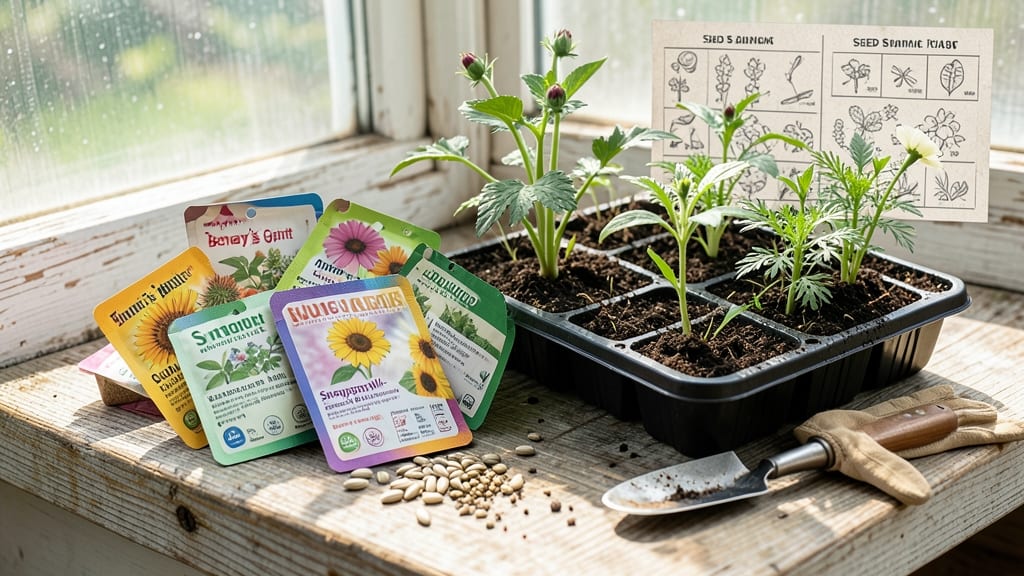
Planting cut flower seeds at the right time ensures vibrant blooms 🌸 that last from spring to fall—miss the window, and you’ll spend the season waiting for results.
Picture this: you’ve cleared the garden bed, ordered your favorite seed packets, and are ready to dive in—only to realize you planted too early, and the frost just nipped your seedlings. Or worse, you waited too long, and the heat arrived before the flowers even thought about blooming.
The difference between a bountiful bouquet and a wasted season often comes down to timing.
Your USDA zone plays a starring role here. In cooler climates like Zone 6a, early spring (around March or April) is prime time for direct sowing, while warmer zones can stretch planting into late summer.
But it’s not just about the calendar—soil temperature, flower type, and even your local frost date matter just as much.
Below, I’ll break down the exact planting schedule by zone, share pro tips for succession planting to keep your vase stocked all season, and reveal the one mistake that ruins more seed starts than anything else. Ready to turn your garden into a florist’s dream?
USDA zone planting calendar for cut flower seeds by month
Planting cut flower seeds at the right time ensures long stems, bold colors, and continuous blooms—but timing varies dramatically between USDA Zones 3-11 and flower types. Frost-sensitive varieties like zinnias and cosmos need warm soil, while hardy snapdragons and hollyhocks tolerate cooler starts.
Below, I’ll break down month-by-month planting windows for your zone, plus early/late season adjustments to stretch your harvest.
First, check your last frost date (find it via [USDA Plant Hardiness Map](https://planthardiness.ars.usda.gov/))—this is your anchor. Most cut flowers thrive when soil reaches 60°F (15°C) or warmer. In Zones 3-5, start frost-sensitive seeds indoors 6-8 weeks before last frost to avoid delays.
In Zones 6-11, direct sow after frost risk passes, but succession plant every 2-3 weeks for nonstop blooms.
🌱
| Month | USDA Zones 3-5 | USDA Zones 6-7 | USDA Zones 8-9 | USDA Zones 10-11 |
|---|---|---|---|---|
| February | Indoors: Snapdragons, Sweet Peas (6-8 wks before last frost) | Indoors: Dahlias, Hollyhocks (8-10 wks before last frost) | Direct sow: Cosmos, Zinnias (after frost) | Direct sow: Marigolds, Sunflowers (year-round) |
| March | Indoors: Rudbeckias, Black-Eyed Susans (4-6 wks before last frost) | Indoors: Delphiniums (6-8 wks before last frost) | Direct sow: Calendulas, Nasturtiums | Direct sow: Celcosia, Statice |
| April | Direct sow: Marigolds, Bachelor’s Buttons (after frost) | Direct sow: Zinnias, Cosmos (soil 60°F+) | Succession plant: Sunflowers (every 2 wks) | Succession plant: Dahlias (every 3 wks) |
| May | Succession plant: Pansies, Sweet Alyssum | Succession plant: Snapdragons (late May) | Late plant: Cockscomb, Stock (for fall blooms) | Late plant: Lisianthus (for winter color) |
| June-July | N/A (focus on harvest) | N/A (focus on harvest) | N/A (focus on harvest) | N/A (focus on harvest) |
| August | Start Pansies indoors for fall/w
How to adjust planting times for long-stemmed cut flowersLong-stemmed cut flowers like sunflowers, dahlias, and delphiniums need precise planting timing to reach their full height and vase life potential. Plant too early, and they’ll bolt or flop in weak stems. Too late, and you’ll miss the peak harvest window. The key is balancing soil warmth, day length, and succession planting to keep stems strong and blooms abundant. For tall varieties, I start seeds indoors 8-10 weeks before last frost in cooler zones (3-5). In warmer zones (7-11), direct sow after soil reaches 60°F to avoid leggy growth. This timing ensures stems develop thick, sturdy bases before rapid vertical growth begins. For example, delphiniums need cool spring temps to prevent bolting, while sunflowers thrive with warm summer soil.
1
Start sunflower seeds indoors 6-8 weeks before last frost in zones 3-6; direct sow after soil warms to 60°F in zones 7-11.
2
Plant dahlias after all frost risk passes (zone 7+) and soil is 65°F+; use black plastic mulch to warm soil faster in cooler zones.
3
Sow delphiniums in early spring (March-April) for fall blooms; succession plant every 3 weeks for continuous stems in zones 3-8.
4
Adjust for day length: Tall snapdragons need 14+ hours of light; use grow lights if planting early in short-day zones.
Succession planting is my secret weapon for continuous harvests. For sunflowers, I sow seeds every 2-3 weeks from late spring to early summer. This staggered approach ensures some plants are always at the ideal cutting stage—when buds are just opening and stems are firm. For dahlias, which take longer to mature, I plant tubers in 3 batches spaced 2 weeks apart to stretch the harvest from midsummer to frost. Don’t forget to stake or cage tall varieties early. Delphiniums and hollyhocks benefit from support at 12 inches tall to prevent wind damage. I use bamboo stakes for single stems and tomato cages for clusters. This not only protects stems but also encourages plants to focus energy on height and vase life rather than supporting weak growth. For extended vase life, harvest stems in the early morning when buds are fully open but still firm. Cut just above a leaf node with clean sharp shears, and remove lower leaves to reduce bacterial growth in water. This simple step can add 3-5 days to your bouquets’ freshness. Pair this with consistent watering (1-2 inches per week) and balanced fertilizer every 4-6 weeks to keep stems strong through the season. In my Zone 6a garden, I’ve found that succession planting combined with proper timing gives me 12-16 weeks of cut flowers from a single planting. The key is adapting to your microclimate—whether that means starting seeds earlier in cold zones or using shade cloth to protect delicate stems in hot summers. With these adjustments, you’ll enjoy professional-quality stems straight from your garden. 🌻 |