
Flowers
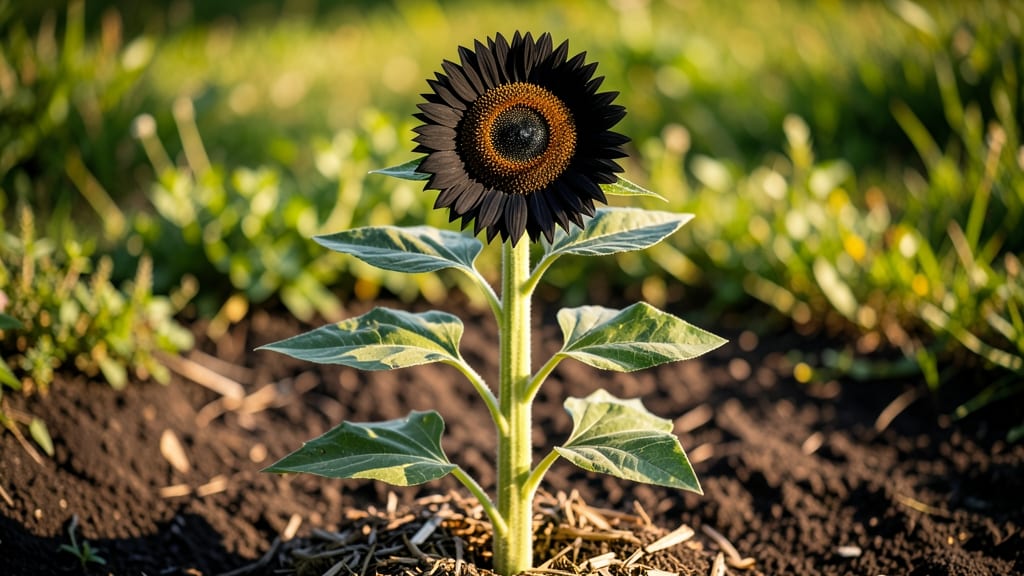
Black Oil Sunflowers grow between 6 and 12 feet tall, turning your garden into a sunlit skyline that hummingbirds and bees can’t resist.
If you're dreaming of towering sunflowers that add dramatic flair to your garden, their height can be a game-changer for placement and care—but it’s also what makes them so rewarding. These giants don’t just stop at 10 feet; some varieties stretch even higher, creating a stunning vertical focal point.
Whether you’re planning a bird-friendly border or a cut-flower harvest, knowing the exact height range helps you space them properly and choose the right support. Too close, and they’ll compete for nutrients; too far apart, and you’ll lose that wow factor of a sunflower sea.
Below, I’ll break down the height by variety, spacing tips to maximize growth, and how to keep those towering stems from toppling over—so you can enjoy their beauty without the worry.


Black oil sunflower height by variety: exact measurements and growth characteristics
Black Oil Sunflowers are famous for their towering stems and vibrant blooms, but their height varies dramatically depending on the variety and growing conditions.
Whether you're planning a dramatic backyard display or a commercial seed crop, knowing these exact measurements will help you choose the perfect variety for your space. Genetics play a huge role—some varieties reach 12 feet while others stay compact, making them ideal for smaller gardens.
The tallest varieties, like 'Russian Giant' and 'Mammoth', can grow 10–12 feet, while mid-height options like 'Autumn Beauty' typically max out at 6–8 feet. Even within the same variety, regional climate and soil quality can influence height by up to 20%.
For example, sunflowers in USDA Zone 9 often grow taller than those in cooler zones due to longer growing seasons.
| Variety | Average Height | Growth Rate | Best For | Notes |
|---|---|---|---|---|
| 'Russian Giant' | 10–12 ft | Fast (6–8 ft in 60 days) | Cut flowers, seed production | Needs staking; tallest variety |
| 'Mammoth' | 9–11 ft | Moderate (5–7 ft in 50 days) | Dramatic displays, bird feeders | Strong stems; less prone to toppling |
| 'Autumn Beauty' | 6–8 ft | Slow (4–6 ft in 45 days) | Small gardens, containers | Multi-colored blooms; shorter stature |
| 'ProCut' | 7–9 ft | Consistent (6–8 ft in 55 days) | Commercial harvesters | Disease-resistant; uniform height |
| 'Russian Tall' | 8–10 ft | Fast (5–7 ft in 50 days) | Seed production, tall arrangements | Thin stems; requires support |
If you're growing Black Oil Sunflowers for seed production, taller varieties like 'Russian Giant' are ideal because their longer stems yield more seeds per head. However, their height can be a challenge in windy areas or tight spaces.
For example, 'Russian Giant' often needs staking or trellising to prevent toppling, especially in USDA Zones 7–9 where winds are stronger.
For smaller gardens or containers, 'Autumn Beauty' is a fantastic choice—its 6–8 foot height fits neatly into urban spaces and still attracts pollinators. This variety also has the added bonus of multi-colored blooms, making it a favorite for cut flower arrangements.
Even in limited sunlight conditions (5–6 hours/day), it won’t grow as tall but will still thrive.
Genetics aren’t the only factor—soil fertility and sunlight exposure can push sunflowers to their maximum height. For instance, plants grown in well-draining, nutrient-rich soil with 8+ hours of sunlight will often exceed their average height by 1–2 feet.
In contrast, sunflowers in shadier or poorer soil may stay closer to their lower height range.
Another key consideration is regional growth variations. In southern climates (Zones 8–10), sunflowers grow faster and taller due to longer growing seasons, while those in northern zones (Zones 4–6) may max out at 8–10 feet even with ideal care.
If you're in a cooler zone, consider starting seeds indoors 4–6 weeks before the last frost to give them a head start.
Optimal spacing and growth tips to maximize black oil sunflower height
To achieve those 6–12-foot sunflowers you’re dreaming of, spacing is everything. Crowding your Black Oil Sunflowers too closely forces them to compete for nutrients and sunlight, which stunts their growth. Meanwhile, giving them too much room can leave gaps in your garden’s vertical drama.
The sweet spot? 12–18 inches apart for standard varieties, with 24+ inches for the towering giants like 'Russian Giant'.
I’ve learned the hard way that poor spacing isn’t just about aesthetics—it directly impacts height. When plants struggle for resources, they’ll focus on survival over reaching for the sky. That’s why I always measure twice before planting, especially in smaller gardens where space is limited.
Even a few extra inches can make a difference in how tall your sunflowers grow.
🌱 Key Growth Factors for Maximum Height
- 1. Spacing: 12–18" for standard, 24+" for giants to prevent competition.
- 2. Soil: Loamy, well-draining soil with compost for nutrients.
- 3. Sunlight: 6–8+ hours of direct sun daily for optimal growth.
- 4. Watering: Deep soaks weekly (1 inch) to encourage deep root growth.
- 5. Support: Use stakes or trellises for varieties over 8 feet.
Another critical factor is soil preparation. Black Oil Sunflowers thrive in loamy, well-draining soil with a pH between 6.0 and 7.5. Before planting, I always amend the soil with compost or aged manure to provide the nutrients they need to reach their full height.
Poor soil can leave your sunflowers struggling to stand tall, so don’t skip this step—it’s the foundation for their growth.
Sunlight is non-negotiable for these giants. While they’ll tolerate partial sun, they’ll only reach their full height potential with 6–8+ hours of direct sunlight daily. If your garden has shady spots, consider planting shorter varieties like 'Autumn Beauty' or opt for a sunnier location.
I’ve seen sunflowers in partial shade grow 30% shorter than their full-sun counterparts, so choose your spot wisely.
One common mistake I see is overwatering, which can lead to weak stems and stunted growth. Black Oil Sunflowers are drought-tolerant once established, so I recommend deep watering (1 inch per week) rather than frequent shallow watering.
This encourages deep root growth, which in turn supports taller, stronger stems. Always water in the morning to reduce the risk of fungal diseases.
For varieties that reach 8 feet or taller, I can’t stress enough the importance of support systems. Without stakes or trellises, even the sturdiest stems can topple over in wind or rain.
I use bamboo stakes or metal cages for taller varieties, securing them gently to avoid damaging the stems. This not only prevents accidents but also gives you peace of mind while admiring your garden’s new skyline.