
Pests
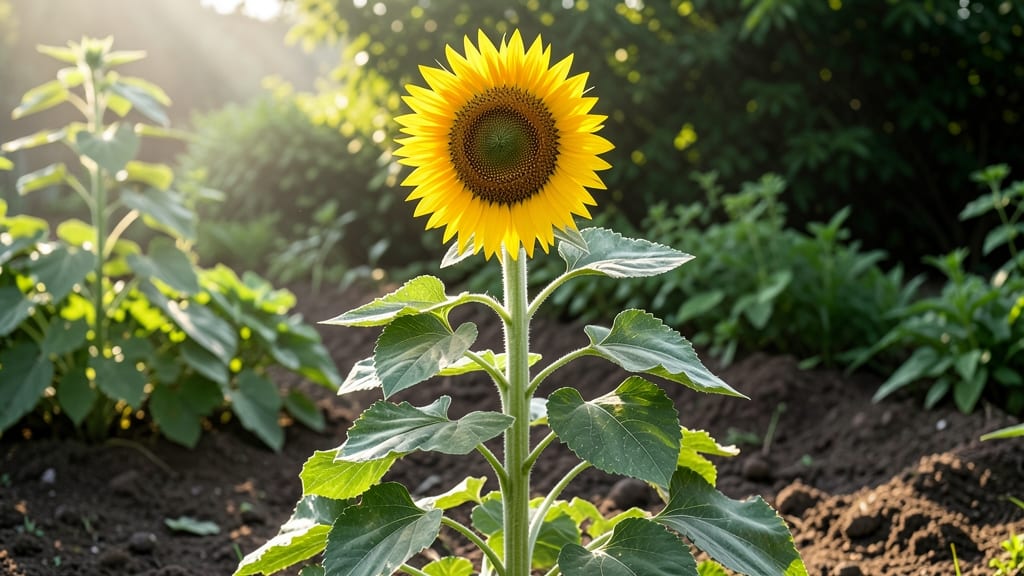
The world’s tallest sunflower record shattered expectations by reaching over 14 feet—taller than most two-story buildings! 🌻 This isn’t just a fluke; it’s the result of precise science, genetics, and cultivation techniques that even home gardeners can replicate.
Imagine a sunflower so towering it could rival a small tree—this isn’t science fiction, but the reality behind the world’s tallest sunflower record, which shattered expectations at over 14 feet tall. How did it grow so massive, and could you replicate this feat in your own garden?
Most gardeners assume sunflowers max out around 10 feet, but with the right hybrid, soil prep, and care, you can push them much higher. The key lies in understanding their growth habits, nutrient needs, and how to support them as they reach new heights.
In this guide, I’ll break down the exact steps competitive growers use—from soil prep to harvest—to help you cultivate a sunflower that could challenge the record in your own backyard.
How the world’s tallest sunflower grew over 14 feet tall
Breaking the 14-foot barrier isn’t just luck—it’s science. The world’s tallest sunflower, a Russian Mammoth hybrid, achieved this record through precise genetic selection and cultivation techniques. This sunflower didn’t just grow tall—it defied expectations by harnessing optimal growing conditions and nutrient timing that most gardeners overlook.
The secret lies in understanding how sunflower genetics interact with their environment.
Most gardeners focus on height potential alone, but the record-breaker combined hybrid vigor, soil science, and growth monitoring to push limits. For instance, the plant’s stem strength was enhanced through selective breeding, while its root system was optimized for nutrient absorption.
Even the watering schedule played a critical role—overwatering or neglecting moisture at key stages could have stalled growth entirely.
Key factors like daylight exposure, temperature consistency, and support structures were meticulously controlled. Unlike typical sunflowers that max out at 8-10 feet, this champion required 12+ hours of sunlight daily and sturdy stakes to prevent toppling. The growers also tracked growth milestones weekly, adjusting care based on real-time data rather than guesswork.
The soil preparation was another game-changer. The record-breaking sunflower thrived in loamy soil with a pH of 6.0–6.8, amended with compost and bone meal for phosphorus.
Most gardeners overlook phosphorus, but it’s critical for stem strength and flower development. Without it, even the hardiest hybrids struggle to reach their full height potential.
Growth monitoring wasn’t just about measuring height—it involved tracking leaf size, stem diameter, and root spread. The growers used a simple tape measure and calipers to ensure the plant’s structural integrity kept pace with its rapid growth.
For example, if the stem grew 2 inches per week but the leaves stayed small, it signaled a nutrient deficiency that required immediate correction.
Temperature control was equally vital. Sunflowers bolting (stem elongation) slows below 60°F or above 90°F. The record-breaker’s growers used shade cloth on scorching days and row covers for early-season protection. Even a 2-day heatwave above 95°F can stunt growth, so precise microclimate management was non-negotiable.
One often-missed detail? The pruning strategy. While most gardeners remove side shoots to direct energy upward, the record-breaker’s team selectively pruned only the weakest branches to maintain stem stability.
Over-pruning can weaken the main stalk, making it prone to snapping under its own weight—a common issue with sunflowers over 10 feet tall.
Finally, the harvest timing was critical. The sunflower was allowed to fully mature—not harvested prematurely for seeds—because seed development signals the plant to allocate resources to the stem’s final growth spurt.
Most gardeners pick seeds too early, unaware that delaying harvest by 10–14 days can add 6+ inches to the stalk’s height.
Could you grow a 14-foot sunflower? Absolutely—but it requires precision, patience, and a willingness to treat sunflowers like high-performance crops. Start with the right hybrid, master the soil science, and monitor growth like a horticultural scientist. The sky’s the limit—literally.
Key techniques to grow a giant sunflower at home
Growing a giant sunflower at home isn’t just about luck—it’s a mix of science and strategy. The world’s tallest sunflower didn’t just happen; it required precision in soil prep, consistent care, and smart support systems.
If you’ve ever dreamed of a sunflower towering over your fence, these techniques will help you get there. Start with the right sunflower variety—look for Russian Giant or Mammoth hybrids, bred specifically for height and durability.
The secret to maximizing height begins before you even plant. Your soil must be nutrient-rich and well-draining, with a pH between 6.0 and 7.0. Amend heavy clay with compost or sand, and mix in a balanced fertilizer (like 5-10-10) at planting time.
This gives your sunflower the strong root system it needs to support its towering growth. Don’t skip this step—poor soil is the #1 reason sunflowers stay short.
-
1. Choose the Right Seeds
Select Russian Giant or Mammoth hybrids (seeds available at specialty nurseries). -
2. Prepare Supercharged Soil
Mix compost + aged manure into native soil (1:1 ratio). Test pH—aim for 6.0-7.0. -
3. Plant Deep & Early
Bury seeds 1.5 inches deep (not 1 inch) for stronger stems. Start 4-6 weeks before last frost. -
4. Install Support Early
Use a 3-foot wooden stake or metal cage> inserted at planting. Tie stems with soft garden twine weekly. -
5. Water Like a Pro
1-2 gallons per plant in the morning only. Keep soil consistently moist (not soggy) during growth. -
6. Fertilize Strategically
Feed with 5-10-10 fertilizer every 4-6 weeks (start when plants hit 12 inches). Avoid nitrogen-heavy mixes—they promote leaves over height. -
7. Prune for Height
Remove side buds (not flowers) when they appear. This redirects energy to the main stem. -
8. Monitor for Pests
Watch for aphids or beetles. Spray with neem oil if needed—chemicals can stunt growth.
One of the most critical (and often overlooked) steps is providing physical support from day one. Sunflowers can grow top-heavy, and without support, they’ll flop over before reaching their full potential.
Install a 3-foot wooden stake or metal cage at planting time, and gently tie the main stem to the support with soft garden twine every 1-2 weeks as it grows. This prevents stem breakage and encourages vertical growth rather than sprawling.
Watering is another make-or-break factor—especially during the critical 6-8 week growth phase. Sunflowers need deep, consistent moisture, but they hate soggy roots. Water early in the morning (before 10 AM) to reduce evaporation and fungal risks.
Aim for 1-2 gallons per plant, delivered directly to the soil base, not the leaves. Overhead watering can lead to leaf diseases, which weaken the plant and stunt its height.
Finally, timing is everything. Plant your seeds 4-6 weeks before your last frost date in well-warmed soil (at least 55°F). This gives your sunflower a long, uninterrupted growing season—critical for reaching record-breaking heights.
In Zone 6, this means late April to early May. If you live in a cooler climate, consider starting seeds indoors under grow lights for a 2-week head start.
With these techniques, you’ll give your sunflower the best shot at shattering height records—even in your backyard. The world’s tallest sunflower didn’t grow overnight, but with patience, precision, and a little extra care, yours could too. 🌻