
Flowers
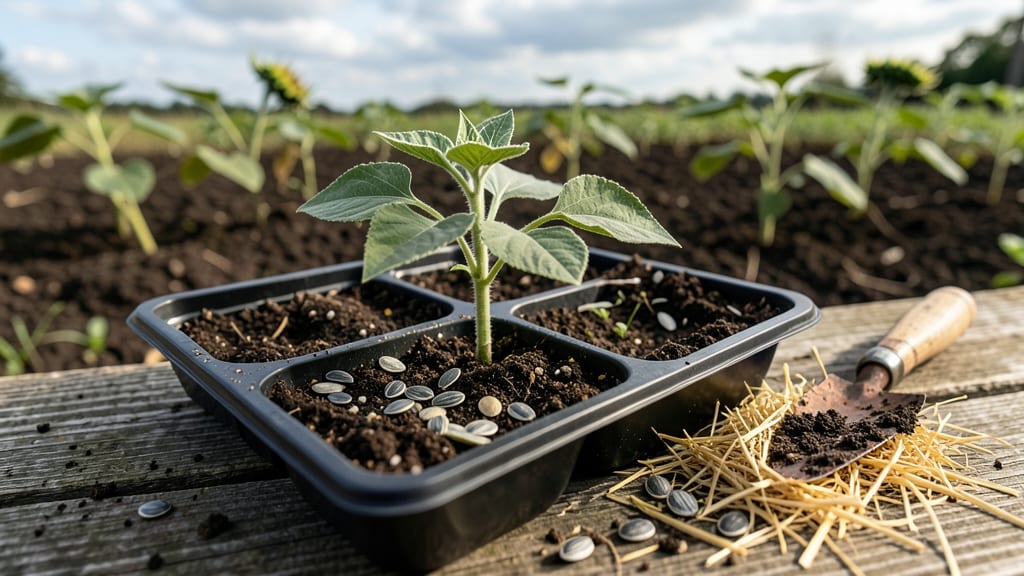
Plant sunflowers in Zone 5 after your last frost date, typically mid-May to early June, when soil warms to at least 55°F for the fastest growth.
Sunflowers bring bold beauty and effortless charm to any garden—but planting them at the wrong time in Zone 5 can mean stunted growth or missed blooms. Timing is everything, and this guide reveals the exact frost-free window for maximum sunflower success.
Zone 5 gardeners know the drill: waiting too long risks early frosts cutting the season short, while planting too soon means seeds rot in cold soil. The key is balancing soil temperature, last frost dates, and your local microclimate to stretch that growing window just right.
Below, you’ll find a simple checklist for timing, plus the best sunflower varieties for Zone 5’s shorter season—whether you’re growing towering giants or compact cut flowers. Let’s get those seeds in the ground!
Zone 5 sunflower planting timeline: frost dates and soil temperature rules
Sunflowers thrive in Zone 5’s warm summer months, but their success depends entirely on planting them at the right time. The last frost date in Zone 5 typically falls between mid-April and mid-May, but soil temperature is just as critical—sunflowers need soil at 55°F or warmer to germinate properly.
Planting too early risks frost damage, while waiting too long may cut your blooming season short.
Most Zone 5 gardeners aim to plant sunflowers 2-4 weeks after the last frost date, usually in late May or early June. This timing ensures your seeds have enough warmth to sprout and grow before summer’s peak heat arrives.
For giant varieties, this window is even more critical—they need a full 90-120 days to mature, so late plantings may not produce flowers before frost.
Here’s the key: soil temperature matters more than air temperature. Use a soil thermometer to confirm your garden bed has reached 55°F+ before planting. Cold soil delays germination, leaving your sunflowers vulnerable to pests or disease.
If your soil is still chilly, consider using black plastic mulch to warm it up faster.
🌱
| Stage | Action | Notes |
|---|---|---|
| Soil Warm-Up | Wait until soil reaches 55°F+ | Use a thermometer; black plastic mulch helps |
| Last Frost Date | Plant 2-4 weeks after | Typically late May in Zone 5 |
| Direct Sowing | Sow seeds 1 inch deep, 6 inches apart | Thin to 12-24 inches for full growth |
| Microclimate Boost | Use south-facing beds or raised beds | Warmer soil = faster germination |
| Late Planting | Try dwarf varieties (50-60 days to bloom) | Example: 'Teddy Bear' or 'Moulin Rouge' |
Microclimates can extend your sunflower season in Zone 5. If your yard has south-facing beds or raised beds, these areas warm up faster and are perfect for early planting.
I’ve even seen gardeners in colder Zone 5 pockets plant sunflowers in early May near black mulch or in greenhouses, giving them a 2-week head start on neighbors.
For those in northern Zone 5 (like Minnesota or Wisconsin), aim for late May planting to avoid late frosts. In southern Zone 5 (like Missouri or Kentucky), you can start as early as early May.
Always check your local USDA Plant Hardiness Zone Map for precise frost dates—even within Zone 5, timing can vary by 1-2 weeks.
Pro tip: If you’re eager to plant earlier, try covering seeds with row covers after sowing. This creates a 5-10°F warmer microclimate, helping seeds germinate faster.
Just remove covers once sprouts emerge to prevent overheating. For giant sunflowers, this early start can mean the difference between 10-foot stalks and stunted 6-footers.
🌻
Don’t forget that sunflowers are annuals with a fast growth cycle. Most varieties take 80-120 days to bloom, so planting in early June still gives them time to mature before first frost in mid-October.
For edible seeds, aim for a longer season—plant in late May to ensure seeds fully develop before cold weather sets in.
If you miss the ideal window, don’t despair! Dwarf sunflowers like 'Sunspot' or 'Little Becka' can still thrive with late June plantings, offering smaller but cheerful blooms before frost. Just adjust your spacing—these varieties stay compact at 2-3 feet tall, making them perfect for containers or small gardens.
☀️
Direct sowing vs. starter plants: which method works best in Zone 5?
When it comes to growing sunflowers in Zone 5, you have two main options: direct sowing seeds outdoors or starting them indoors as starter plants. Both methods work, but the best choice depends on your sunflower variety and your local last frost date.
In Zone 5, where summers are short, timing and variety selection are critical for success.
Most gardeners in Zone 5 opt for direct sowing because sunflowers germinate quickly and thrive when planted directly in the ground. However, starter plants can give you a head start, especially if you’re growing tall varieties that need extra time to mature before the first frost hits in mid-October.
Let’s break down the pros and cons of each method to help you decide what’s best for your garden.
Direct Sowing vs. Starter Plants for Zone 5 Sunflowers
- Hardier seedlings—less transplant shock
- Faster germination in warm soil
- No transplanting stress for roots
- Best for dwarf varieties (e.g., 'Teddy Bear')
- Limited time if frost arrives early
- Slower growth for giant varieties
- Dependent on soil warmth (wait until 55°F+)
- Head start for tall varieties (e.g., 'Mammoth')
- Longer growing season in Zone 5
- Controlled conditions for germination
- Easier to space correctly
- Transplant shock risk if not hardened off
- More expensive to buy seedlings
- Limited variety selection at nurseries
- Requires indoor space and care
For dwarf sunflowers like 'Teddy Bear' or 'Moulin Rouge', direct sowing is often the easiest and most reliable method. These varieties mature quickly (50-60 days) and don’t need the extra time starter plants provide.
Plant them 1 inch deep and 6 inches apart after your last frost date, typically in mid-May.
If you’re growing giant sunflowers like 'Russian Giant' or 'Autumn Beauty', consider using starter plants to extend your growing season. These varieties take 90-120 days to mature, and starting them indoors in late April gives them a better chance to reach their full height before frost.
Just be sure to harden off seedlings for 7-10 days before transplanting.
For mid-size varieties like 'ProCut' or 'Sunspot', either method works well. If you’re unsure, I recommend direct sowing for simplicity, but keep an eye on your local frost dates to avoid rushing the process. Zone 5’s short growing season means every day counts!
No matter which method you choose, full sun and well-draining soil are non-negotiable for sunflowers. Once planted, water deeply every 3-5 days and watch them grow from tiny sprouts to towering beauties by late summer.
With the right timing and care, your sunflowers will reward you with vibrant blooms and maybe even some edible seeds! 🌻