
Flowers
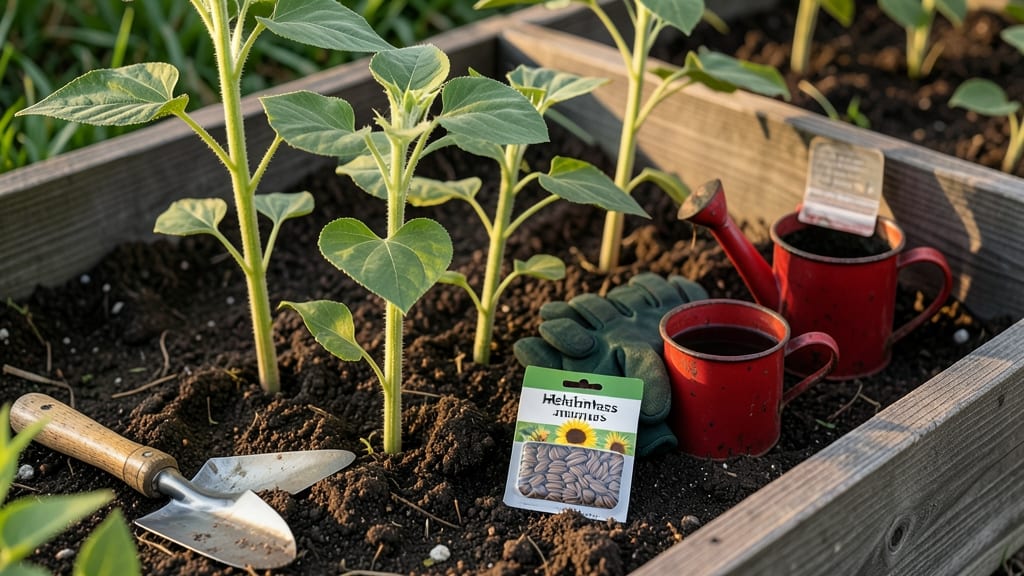
Planting sunflowers in Zone 7a at the right time ensures bold, towering blooms by late summer—miss the window, and you might end up with stunted plants or no flowers at all.
Sunflowers bring vibrant color and joy to any garden—but planting them at the wrong time in Zone 7a can mean missed blooms or stunted growth. Timing is everything, and mastering the frost-date window ensures your sunflowers thrive from seed to towering beauty.
In Zone 7a, the last frost typically hits around mid-March, but waiting too long to plant can lead to bolting before blooming. The ideal window runs from mid-April to mid-June, giving you flexibility for early or late plantings.
Below, I’ll break down the exact frost-date timeline, soil temperature tips, and how to choose sunflower varieties for your climate—so you can enjoy those sunny, cheerful faces all season long.
Zone 7a sunflower planting timeline: frost dates and optimal months
Sunflowers are one of the most rewarding flowers to grow in Zone 7a, but their success hinges on planting them at the right time. The last average frost date in this zone typically falls around March 15, while the first frost arrives around November 15.
This gives you a 190-day growing season—plenty of time for sunflowers to mature from seed to towering blooms.
For most Zone 7a gardeners, the ideal window to plant sunflowers spans from mid-April to mid-June. This timeline ensures seeds germinate in warm soil and plants have enough time to reach maturity before the first frost.
However, soil temperature plays a crucial role—sunflower seeds need soil that's at least 55°F (13°C) for successful germination.
| Planting Window | Soil Temperature | Frost Risk | Best Varieties |
|---|---|---|---|
| Mid-April to late April | 55-60°F (13-16°C) | Low (after last frost) | Mammoth, Russian Giant |
| May to early June | 60-70°F (16-21°C) | None | Teddy Bear, ProCut, Autumn Beauty |
| Late June (for fall blooms) | 60°F+ (16°C+) | Moderate (late season) | Dwarf varieties (e.g., Sunspot) |
🌱 Sunflower Planting Timeline for Zone 7a
If you're unsure about your local frost dates, check the USDA Plant Hardiness Zone Map or use a frost calendar from your local cooperative extension service.
For example, in Atlanta, GA, the last frost is typically around March 15, while in Raleigh, NC, it’s closer to March 20. Adjust your planting date by 1-2 weeks if you're in a microclimate with later frosts.
For early spring planting (mid-April), opt for fast-maturing varieties like 'Teddy Bear' (60-70 days to maturity) to ensure blooms before summer heat sets in. Plant seeds 1 inch deep and 6 inches apart, with rows spaced 1-2 feet apart to allow for full sun exposure and airflow.
Late spring planting (May-June) is ideal for taller varieties like 'Mammoth' or 'Russian Giant,' which need the entire growing season to reach their full height.
These varieties can take 100-120 days to mature, so planting in early May ensures they bloom in late summer or early fall before the first frost.
Did you know you can extend your sunflower season in Zone 7a by planting a late summer crop? Choose dwarf varieties like 'Sunspot' or 'Little Becka' and sow seeds in late June.
These varieties mature quickly (50-60 days) and can produce blooms before the first frost, adding late-season color to your garden.
After planting, maintain consistent moisture by watering deeply once a week (or more during droughts). Sunflowers are drought-tolerant once established, but young seedlings need regular watering to prevent bolting or stunted growth. Mulch around the base to retain moisture and suppress weeds, which can compete for nutrients.
Monitor your sunflowers for pest pressure like aphids or bird damage, especially when they start to bolt. Use row covers or bird netting if needed, and consider companion planting with marigolds or basil to deter pests naturally.
With the right timing and care, your sunflowers will reward you with vibrant blooms and towering beauty all season long.
🌻
Sunflower varieties by maturity: when to plant for long-stemmed blooms vs. quick harvests
Not all sunflowers are created equal—some reach towering heights of 12 feet while others stay compact at 2 feet. In Zone 7a, timing your planting to match a variety's maturity rate ensures you get either stunning long-stemmed blooms or quick seed harvests.
Early plantings favor giant varieties, while late summer sowings work perfectly for shorter, faster-maturing types.
For long-stemmed sunflowers like Mammoth or Russian Giant, aim to plant seeds by mid-April in Zone 7a. These varieties need 100-120 days to reach their full height and produce those iconic 6-foot-tall stems perfect for bouquets.
Their slow growth means they thrive with an early start when soil temperatures are still cool.
On the other hand, quick-harvest varieties like ProCut or Autumn Beauty mature in just 50-60 days, making them ideal for late summer plantings. These sunflowers are perfect if you want fresh seeds by October or need cut flowers in late summer.
Plant them between mid-June and early July for a second flush of blooms before frost.
If you're aiming for continuous blooms throughout the summer, try a staggered planting approach. Start with Mammoth varieties in April for early summer flowers, then follow with ProCut in June for late summer harvests.
This method ensures you'll have fresh sunflowers every 4-6 weeks without gaps in your garden's color palette.
For seed production, focus on planting ProCut or Teddy Bear varieties in late June. These types mature quickly and produce high-quality seeds by early fall, just in time for bird feeders or next year's garden.
Their shorter stature also makes them easier to manage in smaller spaces or containers.
Remember, sunflowers are frost-sensitive but can handle light frosts once established. In Zone 7a, where first frost typically arrives in mid-November, you can push your planting window slightly later for shorter varieties. Just ensure they have enough time to mature before temperatures drop below 20°F.