
Flowers
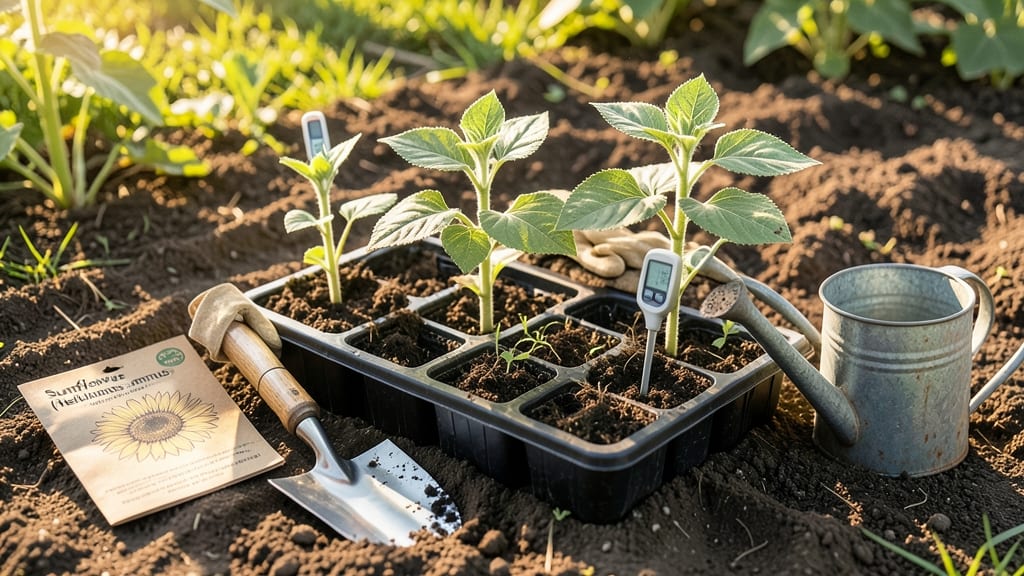
Plant sunflowers in Zone 8 between mid-March and early April for the best chance at those towering 🌻 blooms that brighten up summer.
Sunflowers bring vibrant color and effortless beauty to any garden—but planting them at the wrong time in Zone 8 can mean stunted growth or missed blooms. Timing is everything, and these towering giants thrive when sown at the perfect moment.
Most gardeners in Zone 8 wait until the soil warms to 55°F before dropping seeds directly into the ground. That’s usually around mid-March, but if you’re eager for early blooms, you can even start seeds indoors 4-6 weeks before the last frost date.
Once planted, sunflowers need full sun and consistent watering to reach their full height. With the right timing, you’ll enjoy blooms from June through October—making every minute of planning worth it.
Best planting dates for sunflowers in Zone 8: exact timeline
Sunflowers are one of the most rewarding plants to grow in Zone 8, but getting the timing right ensures those iconic blooms reach their full height and vibrancy. The last frost date here is typically around March 15, while the first frost arrives in mid-November.
This gives us a 210-day growing window—plenty of time for sunflowers to thrive if planted correctly.
For spring planting, focus on March through April when soil temperatures consistently stay above 55°F. This aligns with the ideal germination range of 60-85°F, ensuring quick sprouting and strong early growth. Waiting until soil warms avoids rot risks from cold, damp conditions.
The summary-table below breaks down the exact planting windows, soil temperature thresholds, and variety recommendations for both spring and fall planting in Zone 8. This ensures you maximize bloom height and seasonal duration.
| Planting Window | Soil Temp Threshold | Variety Type | Expected Bloom Time | Key Notes |
|---|---|---|---|---|
| Late March - Early April | 55-60°F | Early varieties (e.g., 'Teddy Bear') | June - July | Fastest growth; ideal for early blooms |
| Mid-April - Early May | 60-70°F | Standard varieties (e.g., 'Moulin Rouge') | July - August | Peak height (8-12 ft); longest bloom duration |
| Late August - Early September | 65-75°F | Late varieties (e.g., 'Autumn Beauty') | September - October | Extended fall color; heat-tolerant |
| Early September (last chance) | 70-80°F | Dwarf varieties (e.g., 'Sunspot') | October (smaller blooms) | Risk of frost; prioritize fast-maturing types |
If you plant in late March, opt for early-maturing varieties like 'Teddy Bear' to avoid late-spring heat stress. These reach 3-5 feet tall in just 60 days, perfect for container gardens or small spaces.
For maximum height (up to 12 feet), stick to mid-April plantings with standard varieties like 'Moulin Rouge'.
Fall planting in late August is ideal for extended-season blooms. Choose heat-tolerant varieties like 'Autumn Beauty', which thrive in 75-85°F soil and produce deep red blooms well into October. This strategy also prevents bolting (premature flowering) that can occur in spring-planted sunflowers under long daylight hours.
For succession planting, space out 3-4 plantings every 2-3 weeks starting in April. This ensures a continuous display from June through October. Always plant seeds 1 inch deep and 6 inches apart—crowding leads to weak stems and fewer blooms.
Use a moisture meter to confirm soil is warmer than 55°F before sowing.
One common mistake in Zone 8 is planting too early, which risks fungal diseases from cold, wet soil. Test soil temperature with a thermometer or wait until nighttime temps stay above 50°F.
If you miss the spring window, fall planting is still viable—just avoid varieties needing more than 80 days to mature before frost.
Pro tip: Use black plastic mulch in early spring to warm soil faster and speed up germination. This is especially helpful if your March soil stays cool due to shady microclimates.
Always water deeply after planting to encourage strong root development—sunflowers are drought-tolerant once established, but young seedlings need consistent moisture.
By following these exact planting dates and soil temperature guidelines, you’ll enjoy towering sunflowers that blo
How to extend your sunflower season in Zone 8: succession planting tips
Want sunflowers blooming from summer straight through fall in Zone 8? The secret lies in succession planting—spreading out your plantings to create a continuous parade of towering blooms. Instead of one big burst of color, you'll enjoy months-long enjoyment with this simple strategy.
I've learned that staggering plantings by 2-3 weeks ensures fresh flowers just as old ones fade.
First, focus on heat-tolerant varieties that thrive in Zone 8's warm climate. My top picks are 'Moulin Rouge' (deep red blooms) and 'Autumn Beauty' (multi-colored flowers).
These varieties handle summer heat better than standard types, giving you more reliable blooms. I've found they produce flowers even when temperatures climb above 90°F.
For best results, I recommend planting in blocks rather than rows. This creates a more natural, garden-party look while making it easier to manage watering and thinning.
Remember to thin seedlings to 12-18 inches apart once they're 4-6 inches tall—this gives each plant room to grow into its full 6-12 foot potential without competing.
One common mistake I see is planting too many varieties together. Stick to 2-3 types max to avoid confusion about care requirements and bloom times. Also, avoid planting sunflowers where last year's sunflowers grew—this prevents soil-borne diseases from carrying over.
I rotate my sunflower locations each year and notice healthier, stronger plants as a result.
Don't forget about late-season care as temperatures drop. While sunflowers are tough plants, they'll benefit from a light mulch around their base to protect roots from temperature swings. I use straw mulch in late August, which also helps retain moisture during Zone 8's often dry fall months.
This simple step can extend your blooms by 2-3 weeks into autumn.
With these succession planting tips, you'll enjoy sunflowers from early summer through fall. The key is consistency—plant on schedule, maintain proper spacing, and choose the right varieties for your climate.
Before you know it, your garden will be a sunflower lover's paradise with blooms appearing like clockwork all season long! 🌻