
Flowers
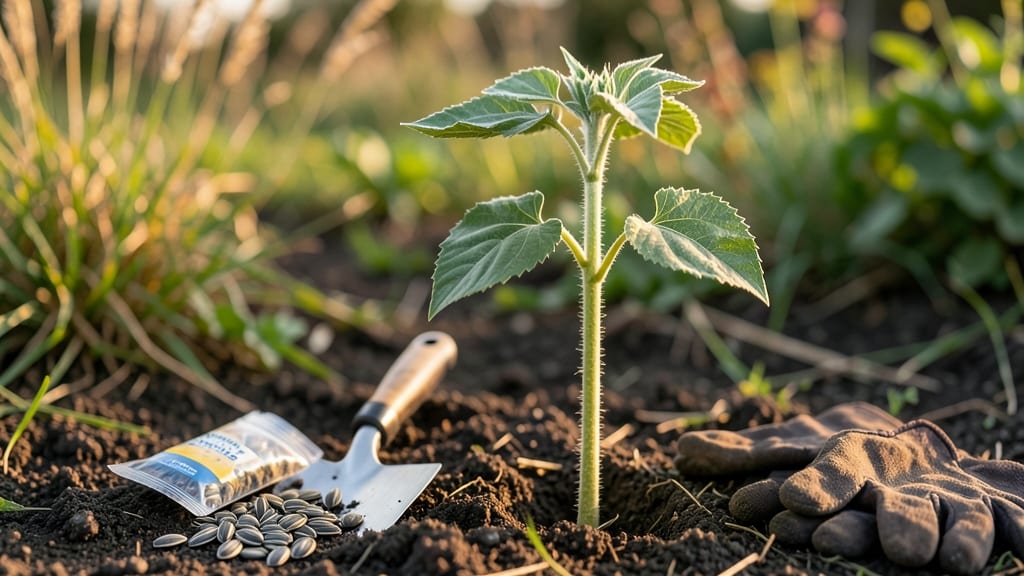
Planting sunflowers in Texas after the last frost date ensures they reach their fast-growing, towering potential before summer’s peak heat.
Picture this: your 🌻 sunflowers standing 10+ feet tall, their golden blooms swaying in the breeze—only to wilt before they even open. That’s what happens when you plant too early or too late, missing the 60–90-day window between frost and scorching temperatures.
Texas’s varied climates mean the ideal time shifts from February in South Texas to March or April in North Texas.
But here’s the secret: a little prep—like choosing heat-tolerant varieties or adjusting soil moisture—can stretch your planting window by weeks, giving you two chances to grow sunflowers that steal the show.
Below, I’ll break down the exact frost-free timeline by region, the 3 best varieties for Texas heat, and how to outsmart the state’s unpredictable weather for sunflowers that thrive, not just survive.
Texas sunflower planting calendar: best months by region (north vs. south)
Texas gardeners know sunflowers love the heat, but timing matters—plant too early, and frost zaps seedlings; too late, and summer blazes stunt growth. The key is aligning your last frost date with soil warmth and variety heat tolerance.
North Texas has shorter growing seasons, while South Texas can stretch sunflowers into fall. Let’s break down the ideal planting windows for your region to ensure towering blooms by summer.
Sunflowers thrive in USDA Zones 8a–10b, but Texas’s microclimates create big differences. North Texas (Dallas/Fort Worth) faces earlier frosts, while South Texas (Houston/El Paso) enjoys longer heat.
Central Texas (Austin/San Antonio) sits in between, offering a balanced window for both spring and fall plantings. Heat-tolerant varieties like 'Autumn Beauty' or 'Moulin Rouge' can push your season later, but even they need the right start.
🌱
| Region | Last Frost Date | Ideal Planting Window | Late Start (Heat-Tolerant) | First Frost |
|---|---|---|---|---|
| North Texas (Dallas/Fort Worth) | Mid-March | April–May | June (early varieties) | Mid-November |
| Central Texas (Austin/San Antonio) | Early March | March–June | July (heat-tolerant) | Early November |
| South Texas (Houston/El Paso) | Mid-February | February–July | August (extended season) | Mid-December |
For North Texas, aim to plant sunflowers 2–4 weeks after your last frost, typically in April or May. This gives seedlings time to establish roots before summer heat peaks.
If you’re eager for early blooms, try cold-hardy varieties like 'Russian Giant' in late March, but cover seedlings if frost threatens. Late starts in June work only for fast-maturing varieties like 'Teddy Bear'—they’ll bolt quickly in the heat.
Central Texas offers the most flexibility, with March–June as the sweet spot. Here, you can even try fall plantings in August for late-season blooms, especially with heat-tolerant varieties. The key is to water deeply and mulch to retain moisture during Texas’s 100°F+ stretches.
If you push into July, opt for dwarf or semi-dwarf varieties to avoid heat stress on tall stems.
South Texas gardeners have the longest growing season, but even here, timing matters. Plant February–April for summer blooms, or August–September for fall color.
The region’s longer heat means you can experiment with late starts, but avoid planting after mid-July—sunflowers planted too late may bolt prematurely or produce small blooms. Succession planting every 2 weeks ensures continuous flowers.
Pro tip: Direct sow seeds—sunflowers hate transplanting. Drop seeds 1 inch deep, 6–12 inches apart (closer for dwarf varieties), and thin seedlings to 18–24 inches apart for standard types.
In heavy clay soils (common in East Texas), amend with compost to improve drainage and prevent root rot.
If you’re in a transition zone (like West Texas
How to extend your Texas sunflower season: early vs. late planting strategies
Texas sunflowers love heat, but their growth window is shorter than you think. Plant too early, and cold snaps stifle sprouts; too late, and scorching summer zaps energy before blooms appear. The key? Strategic planting that aligns with soil warmth and heat tolerance—not just frost dates.
For early plantings, start seeds indoors 6–8 weeks before your last frost date (e.g., mid-January for North Texas). Transplant seedlings outdoors when soil hits 60°F, but shield them with row covers if nights dip below 50°F. This buys 4–6 extra weeks of growth before summer’s peak heat.
For late plantings, focus on heat-resistant varieties like 'Autumn Beauty' or 'Moulin Rouge'. Direct-sow seeds after June 15 in North Texas or July 1 in South Texas, when soil stays above 70°F. These varieties thrive in 90°F+ heat and bloom faster, often reaching maturity before first frost.
⚠️ callout warning ⚠️
Sunflower seeds rot in cold, wet soil. If you plant before March 1 in North Texas or before February 15 in South Texas, use black plastic mulch to warm soil 10°F faster. Without it, seeds may never sprout or grow leggy and weak.
Fix: Test soil temp with a thermometer—wait until it’s 60°F+ for 5+ inches deep. If unsure, opt for late May plantings with heat-loving varieties.
Soil prep is half the battle. Amend clay-heavy Texas soil with compost and perlite to improve drainage—waterlogged roots cause damping off, a fungal disease that kills seedlings.
Add a slow-release fertilizer (5-10-10) at planting to fuel rapid growth, but avoid nitrogen-heavy mixes, which encourage leafy growth over blooms.
Extend your season with shade cloth during 100°F+ heatwaves. Use 30% shade cloth to reduce stress on young plants while still allowing 6+ hours of sunlight. Remove it after 2 weeks to harden off plants.
Pair this with deep watering at soil level (not overhead) to prevent powdery mildew, a fungal foe in humid Texas summers.
Monitor your sunflowers’ growth rate—if they’re bolting too fast (shooting up with no blooms), they’re heat-stressed. In this case, switch to dwarf varieties like 'Teddy Bear' (3–4 ft tall) for longer bloom windows.
These stay compact even in 105°F heat and often rebloom if you deadhead spent flowers.