
Companion Plants
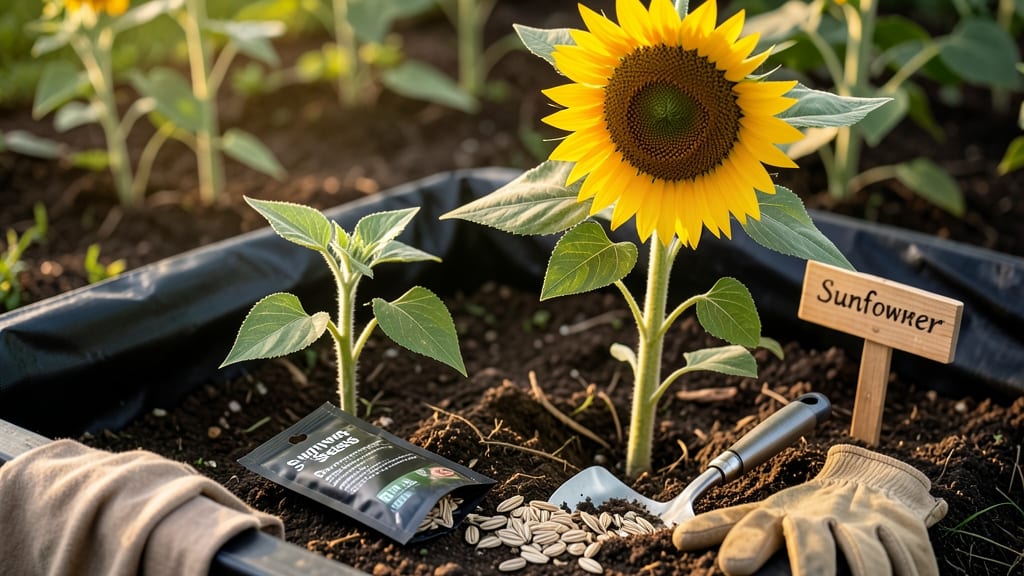
Planting sunflower seeds in North Carolina at the right time ensures they thrive from mid-April through late June, avoiding frost damage and maximizing your 🌻 blooms.
Picture this: you’ve just planted your sunflower seeds, eager for towering stems and cheerful faces by summer, only to watch them shrivel under an unexpected frost. That’s why knowing your USDA zone—whether you’re in 7a or 8b—is the key to success.
In North Carolina, the last frost date varies by region, but most gardeners aim for after April 15th to give those seeds a fighting chance. The Piedmont and Mountains have earlier risks, while the Coastal Plain can push planting a bit later.
Below, I’ll break down the best planting windows by zone, share soil prep secrets, and reveal how to stretch your growing season for those late-summer sunflowers you’ve been dreaming of.
North Carolina sunflower planting dates by USDA Zone (2024 guide)
North Carolina's diverse climate—from the Coastal Plain to the Mountains—means sunflower planting dates vary dramatically. In Zone 7a, where frosts linger until mid-April, you'll need a different strategy than Zone 8b, where warm soil arrives by early March.
Getting the timing right ensures your sunflowers grow tall and strong instead of struggling through cool soil or early frosts.
For all NC zones, the ideal soil temperature for sunflower germination is 60-65°F. Using a soil thermometer is my secret weapon—it tells me exactly when conditions are perfect for planting.
In Zone 7a, wait until soil warms to 60°F (usually mid-April), while Zone 8b gardeners can start as early as late February.
Direct sowing is the easiest method for sunflowers, but if you're transplanting starts, time it so seedlings have 4-6 weeks to establish before summer heat arrives. Transplants in Zone 7a should go in by early May, while Zone 8b can handle transplants until mid-June for late-season blooms.
In Zone 7a, where nights can still dip below 32°F in May, I recommend using row covers for early plantings. These lightweight fabrics protect young seedlings while allowing sunlight to penetrate. Remove them once plants reach 6 inches tall to prevent overheating.
For Zone 8b, where heat arrives early, focus on succession planting every 2-3 weeks to enjoy blooms from June through October.
Sunflowers are fast growers, but they need consistent moisture during germination. After planting, keep soil evenly moist (not soggy) until seedlings emerge, which typically takes 7-14 days depending on soil warmth. Once sprouted, reduce watering to 1-2 times per week unless we're in a drought.
My Zone 7b garden thrives with deep watering in the morning—this prevents fungal issues and encourages deep root growth.
For transplanting, start seeds indoors 4-6 weeks before your last frost date. Use biodegradable pots to avoid disturbing roots when moving outdoors. Harden off seedlings by placing them outside for 2-3 hours daily the week before transplanting.
In Zone 8a, where humidity is higher, I add a 1-inch layer of mulch around transplants to prevent soil-borne diseases.
Don't forget about sunflower varieties—some are better suited to NC's climate than others. For early blooms, try 'Autumn Beauty' (Zone 7a-8b), while 'Moulin Rouge' (Zone 8a-8b) handles heat better.
If you're in Zone 7a and want late-season color, 'Russian Giant' can still produce blooms if planted by early June, though it may not reach full height.
One common mistake I see is planting sunflowers too early in cooler zones. Seeds left in cold soil (below 50°F) rot instead of sprouting. Always check soil temperature with a thermometer—it's the most reliable way to avoid disappointment.
If you're unsure about your zone's frost dates, check the NC State Extension frost calendar for your county.
Finally, remember that sunflowers are heliotropic—they follow the sun! This means they'll grow toward the
How to extend your sunflower growing season in North Carolina
North Carolina's variable climate can challenge sunflower lovers, but with the right strategies, you can enjoy longer bloom times and healthier plants. Early frosts in Zone 7a and late heatwaves in Zone 8b often cut growing seasons short—but these techniques will help you beat Mother Nature's challenges.
Start by choosing cold-hardy varieties like 'Autumn Beauty' or 'Moulin Rouge,' which tolerate cooler temperatures better than standard types. These varieties can handle light frosts and still produce vibrant blooms, giving you an extra 2-4 weeks of growth before frost.
Another game-changer is using row covers or frost blankets to protect young seedlings. These lightweight fabrics create a microclimate that can raise soil temperatures by 5-10°F, allowing you to plant 2-3 weeks earlier in spring or extend the season by 3-4 weeks in fall.
For maximum results, combine these strategies with succession planting. Instead of planting all your seeds at once, sow new batches every 2-3 weeks from April through June. This ensures you'll have continuous blooms from July through October, regardless of your USDA zone.
Don't overlook soil preparation—sunflowers thrive in well-draining soil with plenty of organic matter. Before planting, mix in 3-4 inches of compost to improve warmth retention and moisture levels. In clay-heavy areas (common in Piedmont), add sand or perlite to prevent waterlogging.
With these techniques, you can enjoy longer sunflower seasons across all North Carolina zones, from the mountains to the coast. The key is planning ahead and giving your plants the best possible start—so they can reach their full 6-16 foot potential before frost arrives. 🌻