
Size
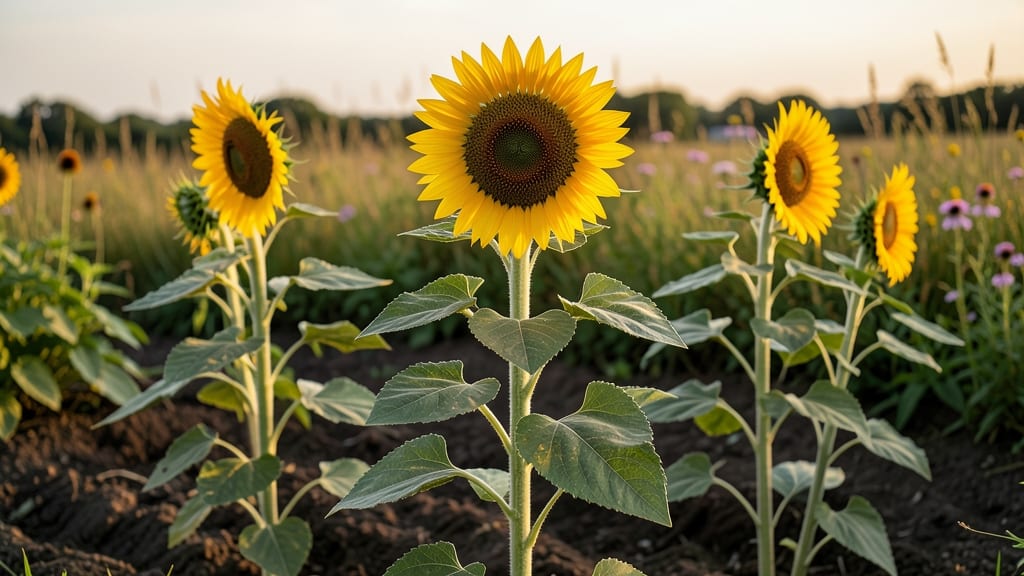
Sunflowers can grow up to 16 feet tall, towering like natural skyscrapers in your backyard!
If you’ve ever marveled at towering sunflowers and wondered just how high they can reach, you’re about to discover the jaw-dropping truth—some varieties stretch taller than a two-story house!
Whether you're a backyard gardener or a container enthusiast, knowing which varieties hit 10 feet or more—and how to coax them to their full height—can transform your garden into a sunflower wonderland.
From the Russian Giant to the Mammoth varieties, we’ll break down the tallest sunflowers and the secrets to growing them. Soil, sunlight, and support all play a role, and a few simple tweaks can make the difference between a 6-foot beauty and a 14-foot giant.
Ready to grow sunflowers that steal the show? Here’s what you need to know to unlock their full potential.


Sunflower height records: tallest varieties and their staggering stats
If you’ve ever marveled at towering sunflowers and wondered just how high they can reach, you’re about to discover the jaw-dropping truth—some varieties stretch taller than a two-story house. The tallest sunflower varieties can reach heights of 10–20 feet, making them architectural stars in any garden.
These giants aren’t just impressive; they’re also sun-seeking champions that thrive under the right conditions. Whether you’re planning a dramatic backyard display or just curious about nature’s skyscrapers, understanding these varieties will help you grow sunflowers that defy expectations.
Sunflowers are divided into categories based on height, ranging from dwarf varieties (1–3 feet) to monster cultivars (14–20 feet). The tallest sunflowers aren’t just a novelty—they’re the result of careful breeding to maximize height, often used in agricultural trials and competitive growing.
For example, the Russian Giant variety can surpass 16 feet, while the Mammoth variety frequently hits 12–14 feet. These aren’t just numbers; they’re opportunities to create a vertical garden masterpiece that turns heads and attracts pollinators.
Below, we’ve compiled a summary table of the tallest sunflower varieties, their typical heights, and key growth characteristics. This will help you choose the perfect variety for your space and goals, whether you’re aiming for a privacy screen, a pollinator magnet, or simply a showstopper in your garden.
| Variety | Typical Height | Growth Pattern | Best For | Notes |
|---|---|---|---|---|
| Russian Giant | 14–20 ft | Fast vertical growth; needs staking | Dramatic displays, competitions | Record-breaking height; may need support |
| Mammoth | 12–14 ft | Thick stems; sturdy but top-heavy | Privacy screens, pollinator gardens | Classic giant; reliable performer |
| American Giant | 10–14 ft | Moderate growth; less top-heavy | Cut flowers, large bouquets | Great for harvesting seed heads |
| Colossus | 12–16 ft | Aggressive growth; needs space | Showstopper focal points | One of the tallest hybrids available |
| Sunflower 'Giant' (Heirloom) | 8–12 ft | Balanced growth; sturdy stems | Traditional gardens, seed saving | Open-pollinated; great for breeding |
| Russian Giant (Record Holder) | 20+ ft (experimental) | Extreme vertical growth; research focus | Experimental trials, extreme gardening | Not widely available; bred for height records |
The Russian Giant variety holds the record for the tallest sunflower ever grown, with some experimental plants reaching over 20 feet. While these giants are breathtaking, they also require specialized care, including rich soil, consistent watering, and support stakes to prevent toppling.
If you’re aiming for a 10-foot sunflower, varieties like American Giant or Mammoth are excellent choices that balance height with manageability. Even 8-foot varieties can make a statement in smaller gardens or containers.
One of the most fascinating aspects of these towering sunflowers is their growth rate. Some varieties can grow 3–4 inches per day during peak season, turning a small seed into a 15-foot giant in just a few months.
This rapid growth is fueled by their phototropic response, where the plant bends toward sunlight to maximize energy absorption. In ideal conditions—full sun, well-draining soil, and regular nutrients—these sunflowers will reach their full potential height.
For gardeners with limited space, don’t overlook the medium-height varieties like American Giant or Colossus, which can still reach 10–12 feet while being slightly easier to manage. These varieties are perfect for backyard gardens or community plots where you want height without sacrificing accessibility.
Plus, their large seed heads make them ideal for bird feeders or handmade crafts once the season ends.
If you’re growing sunflowers for competitive purposes, focus on varieties like Russian Giant or Mammoth, which are bred specifically for height. However, even non-competitive gardeners can achieve impressive results with the right soil preparation and support structures.
For example, adding compost to the soil and using sturdy stakes can help your sunflowers reach their maximum height without bending or breaking.
One common misconception is that all tall sunflowers require identical care. While they share basic needs like full sun and regular watering, some varieties—like the Russian Giant—demand extra nutrients to support their rapid growth.
Others, like American Giant, are slightly more forgiving and can thrive in average garden soil with minimal fuss. Understanding these nuances will help you tailor your care routine to the specific variety you’re growing.
For those new to growing giant sunflowers, start with a small batch of seeds to test your soil and growing conditions. Sunflowers are hardy annuals, meaning they complete their life cycle in one season, but their height potential is staggering when given the right environment.
With the right variety and care, you could soon be growing sunflowers that
How to grow sunflowers to their maximum height: proven tips for gardeners
Sunflowers are nature's skyscrapers, and if you're dreaming of 10-foot giants or even 16-foot monsters, you're in the right place. The secret to unlocking their full height potential lies in understanding their growth needs—from soil nutrition to sunlight exposure.
I've learned through years of trials (and a few toppled sunflowers) that these plants reward careful attention with jaw-dropping vertical growth.
First, let's address the elephant in the garden: not all sunflowers reach skyscraper heights. Dwarf varieties max out at 3 feet, while champion cultivars like 'Russian Giant' can shatter expectations by hitting 12-16 feet.
The key difference? Genetics, but also how we nurture them. I'll show you exactly how to give your sunflowers the best shot at breaking height records.
While 16-foot sunflowers are possible with perfect conditions, most gardeners achieve 8-12 feet with these critical factors:
- Variety choice: 'Mammoth' (12-14 ft) vs 'Teddy Bear' (3-4 ft)
- Sun exposure: 8+ hours daily is non-negotiable
- Soil depth: Roots need 2+ feet of loose soil
- Water consistency: 1 inch per week minimum
Pro Tip: Even the tallest varieties need staking by 6-8 weeks to prevent toppling.
Let's start with the foundation: soil preparation. Sunflowers are heavy feeders, and their taproots need deep, nutrient-rich soil to support massive growth. Before planting, amend your soil with compost or aged manure to a depth of at least 12 inches.
I've seen sunflowers in poor soil max out at 5 feet when the same variety in enriched soil hit 10 feet. Test your soil's pH too—sunflowers thrive in 6.0-7.5 range.
Now for the golden rule: sunlight exposure. These plants are heliotropism champions, tracking the sun from east to west daily. Place your sunflowers in the sunniest spot possible—6-8+ hours of direct sunlight is non-negotiable.
I once grew a 14-foot 'Russian Giant' in my backyard by positioning it where it got morning sun until noon, then afternoon sun after 2 PM. Partial shade will stunt growth dramatically.
Watering is where many gardeners trip up. Consistency is key: sunflowers need 1-1.5 inches of water weekly, but they hate soggy roots. Water deeply once or twice weekly rather than daily shallow watering.
I've noticed that morning watering (before 10 AM) prevents fungal issues and encourages stronger stems. During peak summer, you may need to water every 2-3 days—just don't let them wilt.
Here's a game-changer: support structures. Most sunflowers over 8 feet tall need staking to prevent toppling. Use bamboo stakes or metal cages inserted 6 inches deep beside each plant. I tie stems loosely with soft plant ties every 3-4 feet up the stalk.
For extra insurance, consider trellis systems for windy areas. Without support, even the hardiest varieties often flop by mid-summer.
Finally, let's talk about the growth inhibitors to avoid. Overcrowding is a silent killer—space tall varieties 18-24 inches apart in rows 3 feet apart. I've seen sunflowers in tight spaces grow 30% shorter due to competition.
Also, avoid nitrogen-heavy fertilizers late in the season—they promote leafy growth at the expense of height. And remember: patience is crucial. Sunflowers grow 1-2 inches per day at peak, but rushing harvest by cutting too early steals their potential height.