
Flowers
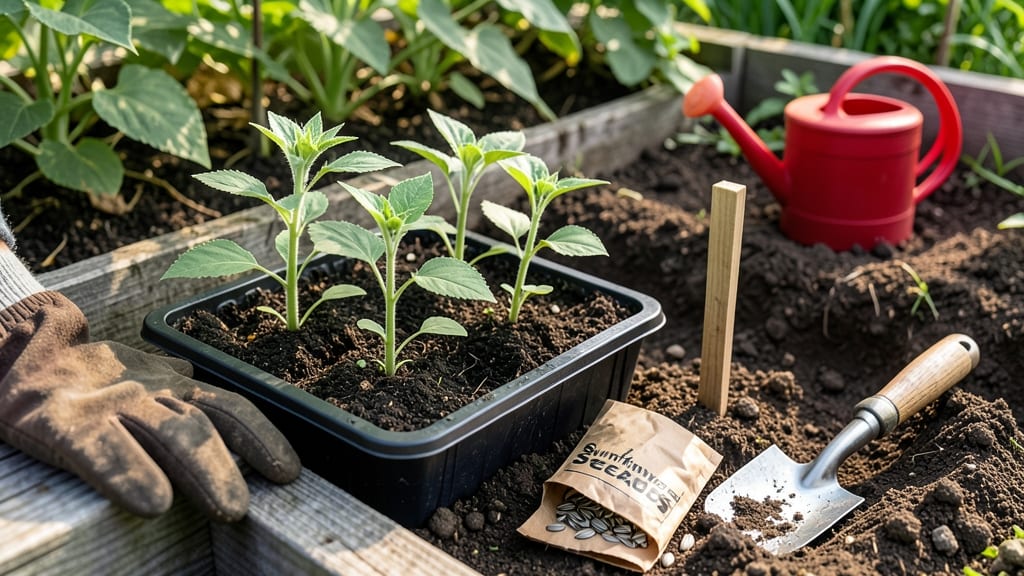
Planting sunflowers in North Carolina after your last frost date is the secret to towering blooms that last from summer into fall.
Miss that window, and you’ll end up with leggy, weak stalks that flop over before they even open. 🌻 But get the timing right, and you’ll have sunflowers reaching toward the sky by mid-summer, turning heads in every zone from the mountains to the coast.
North Carolina’s climate varies wildly—from the warmer coastal plains (Zone 8b) to the cooler mountain regions (Zone 7a)—so the perfect planting window shifts depending on where you live. Whether you’re sowing seeds directly in the garden or starting them indoors, knowing your last frost date is the key to success.
Below, I’ll break down the exact planting windows for each USDA zone, share pro tips for adjusting to microclimates, and even cover how to squeeze in a second planting for late-summer blooms. Ready to grow sunflowers that steal the show?
North Carolina sunflower planting calendar by USDA zones 7a-8b
North Carolina's diverse climate zones—from the cooler mountains of Zone 7a to the warmer coastal plains of Zone 8b—create unique planting windows for sunflowers. Getting the timing right means the difference between 10-foot giants and wilted seedlings.
Let’s break down the best times to plant sunflowers in each zone, including both direct sowing and transplanting options.
Sunflowers thrive in warm soil and love long, sunny days, so timing your planting to align with your last frost date is critical. In Zone 7a, where frosts linger until mid-April, you’ll want to wait until soil temperatures hit 55°F before planting.
Meanwhile, Zone 8b gardeners can start as early as mid-March, thanks to milder winters.
Below is a detailed planting calendar tailored to each zone, including optimal sowing windows, transplanting tips, and even late-summer varieties for extended blooms. Use this as your guide to maximize sunflower success in your NC garden.
Pro Tip: Always check your local frost-free date (available from your Cooperative Extension Service) for the most precise timing. A soil thermometer is your best friend—sunflowers won’t sprout until soil reaches 55°F.
For Zone 7a gardeners in the mountains, like those in Asheville or Boone, aim to plant sunflower seeds after April 15. The cooler nights and slower soil warming mean you’ll need to wait longer for consistent germination.
Start seeds indoors in early April if you’re eager to transplant, but be prepared for slower early growth.
In Zone 7b, covering areas like Raleigh and Greensboro, you can start direct sowing as early as early April. This zone offers a longer growing season, allowing for two planting rounds: one in spring and another in late June for fall blooms.
Varieties like 'Moulin Rouge' thrive here and produce vibrant red blooms from July to August.
Gardeners in Zone 8a, such as those in Wilmington or Fayetteville, enjoy an extended season. You can sow seeds as early as mid-March, giving you time for early blooms by June.
For a second flush of flowers, plant 'Teddy Bear' dwarf sunflowers in late July—they’ll bloom just in time for fall.
If you live in Zone 8b, like in Morehead City or Wilmington’s coastal areas, you’re in the sweet spot for sunflowers. Start seeds as early as early March for giant varieties like 'Russian Giant', which can reach 12 feet tall.
For late-season blooms, try 'ProCut' sunflowers planted in late July—they’ll flower in September and October, adding color when many gardens are winding down.
Don’t forget about succession planting! In warmer zones like 8a and 8b, you can plant sunflower seeds every 2-3 weeks from March to June for continuous blooms. This technique ensures your garden stays vibrant from sum
How to adjust sunflower planting for North Carolina’s microclimates
North Carolina’s diverse geography creates three distinct microclimates for sunflower growing: the coastal plain (Zone 8b), the Piedmont region (Zone 7b), and the mountain areas (Zone 7a).
Each requires unique timing adjustments to maximize your sunflowers’ potential. Coastal areas enjoy earlier planting windows thanks to milder winters, while mountain gardens face shorter growing seasons and cooler soils.
Before planting, check your soil temperature—sunflower seeds need at least 55°F (13°C) to germinate. Use a soil thermometer or wait until mid-April in Zone 8b and late April in Zone 7a.
Mountain regions may need to wait until early May for consistent warmth. This small difference can mean the difference between vigorous blooms and stunted growth.
⚠️ WARNING: Common Mistake in NC Gardens Sunflowers planted too early in Zone 7a mountains often suffer from cold soil shock, leading to poor germination. Coastal gardeners (Zone 8b) risk bolt-and-run growth if seeds sprout too early and stretch toward the sun without enough daylight.
Always verify your last frost date—coastal areas average March 15**, while mountain regions often see frost until April 15. Planting 2 weeks after your local last frost date minimizes risks.
For coastal NC (Zone 8b), stretch your planting season with succession planting. Start with early varieties in March (protected by row covers) and follow with mid-season types in April.
This ensures continuous blooms from June to October. Use dwarf varieties like 'Teddy Bear' for container gardens near the coast, where salt spray can stress taller stems.
In the Piedmont (Zone 7b), focus on soil preparation. Amend heavy clay soils with compost or sand to improve drainage—a critical factor for sunflowers. Plant mid-April to early May for optimal growth, and choose mid-to-late season varieties like 'Moulin Rouge' or 'Autumn Beauty' to extend your harvest window.
These varieties handle shorter daylight hours better than early bloomers.
Mountain gardeners (Zone 7a) should prioritize quick-maturing varieties like 'ProCut' or 'Sunbright'. Plant in early May and use black plastic mulch to warm the soil faster. Group sunflowers near south-facing walls to capture extra heat.
If you love giant sunflowers, consider starting seeds indoors in March and transplanting after the last frost—this gives them a head start in the cooler climate.
Regardless of your NC microclimate, water consistently during germination (keep soil moist but not soggy) and reduce watering once plants reach 3 feet tall. Coastal areas may need extra irrigation in summer due to humidity, while mountain regions benefit from mulching to retain moisture.
With these adjustments, your sunflowers will thrive from the Outer Banks to the Blue Ridge!