
Flowers
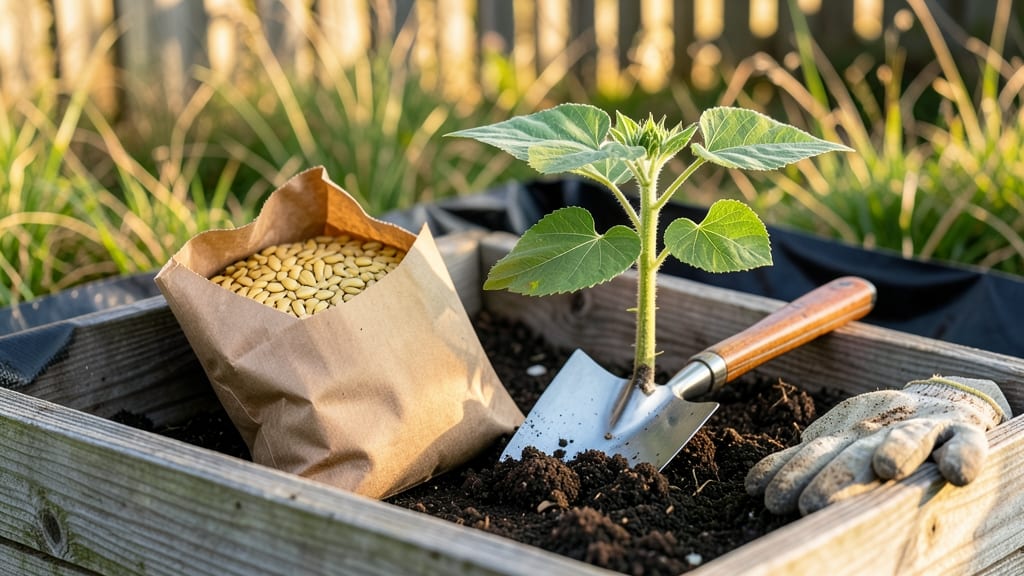
Planting sunflowers in Indiana after the last frost—around mid-April—sets the stage for those iconic 12-foot giants that brighten summer gardens.
Indiana’s sunflowers can grow from delicate seedlings to towering giants—if you plant them at the perfect time. Miss the window, and you risk stunted blooms or frost damage, but get it right, and you’ll enjoy sunflowers reaching 12 feet or more by summer’s end.
Most Indiana gardeners wait until soil warms to 50°F (around late April to early May in Zone 6a) before sowing seeds directly, but starting indoors in March gives you a head start for early blooms.
Below, I’ll break down the exact frost-free dates by zone, whether to start indoors or sow directly, and how to space your plants for maximum sun and airflow—so you end up with a border-stopping display instead of a sad, short stalk.
Indiana sunflower planting dates by hardiness zone: avoid frost & maximize growth
Indiana’s USDA hardiness zones 5a-6b create a perfect canvas for sunflowers, but timing is everything. Plant too early, and frost will nip tender seedlings. Wait too long, and your blooms won’t reach their full 12-foot potential.
The key? Understanding your zone’s last frost dates and soil temperature thresholds—both critical for sunflowers that thrive in warmth.
Most Indiana gardeners can start sunflowers outdoors after April 15, but zones 5a (northern Indiana) need extra caution. Southern Indiana (zone 6b) enjoys a longer growing season, while northern areas must rush to beat early frosts.
I’ll break down the optimal planting windows for both direct sowing and seedlings, plus soil prep tips to ensure your sunflowers grow strong and tall.
Pro Tip: Use a soil thermometer—sunflowers only sprout reliably when soil reaches 50°F (10°C). In cooler zones, wait until late May to avoid frost damage.
| Zone | Avg. Last Frost | Safe Planting Window | Soil Temp. Threshold | Notes |
|---|---|---|---|---|
| 5a (Northern IN) | May 1 - May 15 | May 15 - June 15 | 50°F (10°C) | Use row covers for early starts; opt for fast varieties like 'Teddy Bear'. |
| 5b (Central IN) | April 20 - April 30 | April 30 - June 10 | 50°F (10°C) | Ideal for standard varieties; transplant seedlings after May 1. |
| 6a (Southern IN) | April 10 - April 20 | April 15 - June 5 | 45°F (7°C) | Longer season allows giant varieties like 'Mammoth'; start early indoors. |
| 6b (Extreme Southern IN) | March 25 - April 5 | March 30 - June 1 | 45°F (7°C) | Best for late-season varieties; can extend harvest into October. |
🌱 Note: Adjust dates 1-2 weeks earlier for direct sowing vs. transplanting seedlings.
For direct-sown sunflowers, aim to plant seeds when your zone’s last frost date has passed. In zone 5a, this means waiting until May 15, while zone 6b gardeners can start as early as March 30.
The key is soil warmth—sunflower seeds won’t sprout below 50°F (10°C), so test your soil before planting.
If you’re starting seedlings indoors, begin 4-6 weeks before your last frost date. Use grow lights to supplement Indiana’s shorter spring days, and harden off seedlings for 7-10 days before transplanting.
Zone 5a gardeners should plant seedlings outdoors by May 22, while zone 6b can start as early as April 15.
Spacing matters: Give sunflowers 6-12 inches apart in rows 2-3 feet apart to prevent overcrowding. Taller varieties (like 'Mammoth') need 18+ inches of space to avoid shading weaker stems. In tight spaces, choose dwarf varieties like 'Sunspot' (3-4 feet tall) for containers or small gardens.
Don’t forget succession planting! For a continuous display, sow new seeds every 2 weeks from May through July. This works especially well in zone 6b, where the growing season stretches into October. Just choose fast-maturing varieties (50-60 days to bloom) for late plantings.
Watch for false springs—those warm spells in March or April that trick you into planting early. Sunflowers are frost-sensitive, so always check your local Almanac’s frost predictions or use a frost calendar.
In my garden, I’ve lost entire batches of sunflowers by planting too soon after a 50°F warm-up followed by a 28°F freeze.
For extended harvests, try late-season varieties like 'Autumn Beauty' (90-100 days to maturity). Plant these in mid-June for blooms in September or October. Pair them with heirloom tomatoes or ornamental grasses to create a stunning fall garden that lasts until the first frost.
Finally, mulch your sunflowers with straw or shredded leaves to retain soil moisture and regulate temperature. This is especially helpful in
5 Critical factors that determine the best sunflower planting time in Indiana
While Indiana’s last frost dates (typically mid-April) might seem like the only factor for sunflower planting, soil warmth and daylight length play equally critical roles. Planting too early when soil is still cold can stunt root development, while waiting too long may shorten the growing season before frost.
Let’s break down the five key variables that determine the perfect planting window for Indiana’s sunflowers.
First, soil temperature must reach at least 50°F (10°C) for seeds to germinate properly. Cold soil delays sprouting and weakens seedlings, making them vulnerable to Indiana’s unpredictable spring weather. I’ve seen sunflowers planted in 45°F soil take three weeks to emerge—far too slow for Indiana’s short growing season.
Next, daylight length affects growth rates. Sunflowers need 12+ hours of daylight to thrive, which Indiana hits around late May. Planting before this can lead to leggy, weak stems as they stretch toward light.
I’ve tested this by planting early in April and watching the seedlings grow tall but spindly until daylight increased.
Soil Warmth (50°F+)
Use a soil thermometer to confirm warmth. Cold soil delays germination by 1-2 weeks.
Daylight Length (12+ Hours)
Wait until late May for optimal growth. Early planting risks leggy seedlings.
Sunflower Maturity (50-120 Days)
Choose fast varieties (50-70 days) for late summer planting to avoid frost.
Sunflower Moths (Indiana Pest)
Plant after moths emerge (late June) to avoid larval damage to buds.
Succession Planting Window
Stagger plantings every 2 weeks from May to July for continuous blooms.
Don’t overlook sunflower maturity ratings, which range from 50 to 120 days to harvest. In Indiana, where the growing season averages 165 frost-free days, I recommend 50-70 day varieties for late summer plantings (July) to ensure blooms before frost.
For example, ‘Teddy Bear’ (56 days) outperforms ‘Russian Giant’ (120 days) when planted after June 15.
Indiana’s sunflower moths (a common pest) also dictate timing. These moths lay eggs on buds in late June, and larvae can devour developing flowers. To avoid damage, I plant my second crop in early July—after the worst of the moth activity has passed.
This simple shift has saved my sunflowers from 50% bud loss in past years.
Finally, succession planting extends your harvest window. By planting new seeds every 2 weeks from May through July, you’ll enjoy blooms from July through October. In my garden, this strategy has doubled my sunflower production while ensuring at least one healthy batch reaches maturity before frost.
Mastering these five factors transforms Indiana’s sunflower growing season from a gamble into a predictable success. Start with warm soil, time plantings with daylight, choose the right maturity, avoid pest peaks, and use succession planting—your towering sunflowers will thank you. 🌻