
Flowers
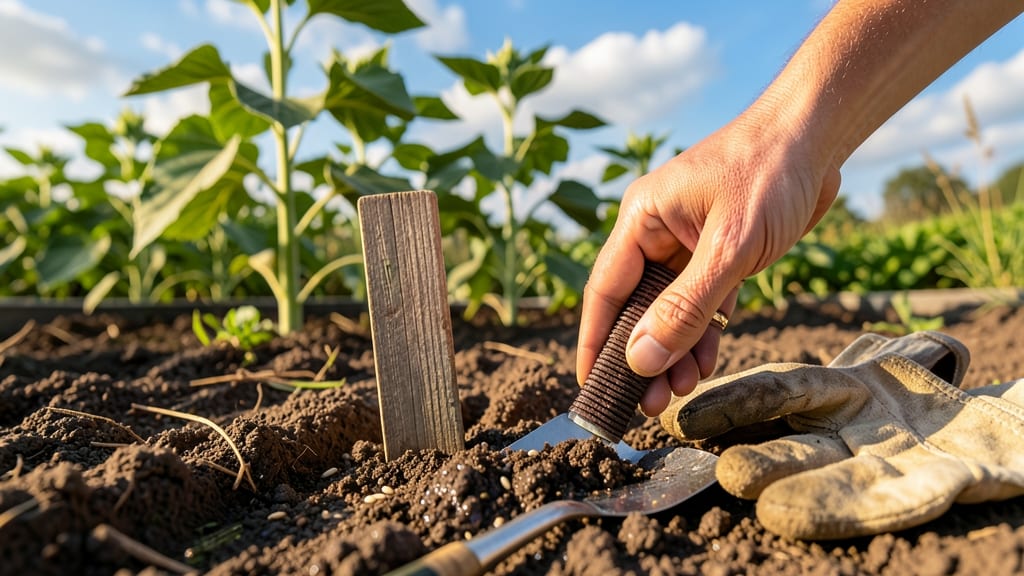
Planting sunflowers in East Texas at the right time means blooms before the heat waves — aim for mid-March to early May, when soil temperatures hit 50°F and the last frost has passed.
Sunflowers thrive in East Texas’s long, hot summers—but planting them at the wrong time means wilting before they bloom. The key is timing: too early and a late frost zaps seedlings; too late and the summer heat forces them to bolt before setting seed.
Your USDA Zone 8a climate gives you a 3-week window to get seeds in the ground, but not all sunflowers handle the heat the same way. Heat-resistant varieties like 'Autumn Beauty' or 'Moulin Rouge' stretch that window slightly, while giant varieties need cooler spring soil to reach their full height.
Below, I break down the exact dates for your region, soil prep tricks to speed germination, and how to adjust for East Texas’s unpredictable rain and heat spikes—so you end up with towering 🌻 stalks instead of sad, stunted plants.
Best planting dates for sunflowers in East Texas by variety type
East Texas’s long growing season and hot summers create perfect conditions for sunflowers—but timing is everything. Plant too early, and frost may nip tender sprouts. Wait too long, and scorching heat can stress seedlings before they establish roots.
The key is matching heat-resistant varieties with precise planting windows tailored to your USDA Zone (7b-9a).
For East Texas gardeners, the ideal window spans from mid-March to early May, but specific varieties thrive at different times. Early bloomers like 'Autumn Beauty' handle cooler spring temperatures, while late-season giants like 'Russian Giant' need warmer soil to germinate successfully.
Let’s break down the best planting dates by type to ensure your sunflowers reach their full potential.
🌱
If you’re in Zone 7b, aim for mid-March plantings to avoid late frosts, while Zone 9a gardeners can push seeds into the ground as early as late February for early blooms. Soil temperature is critical—wait until it reaches at least 50°F (10°C) for reliable germination.
Use a soil thermometer to check, especially in sandy East Texas soils, which warm up faster than clay-heavy areas.
For heat-resistant varieties, prioritize 'Moulin Rouge' or 'Russian Giant' if you’re planting in May. These cultivars handle 90°F+ temperatures better than traditional types and continue producing seeds well into fall. However, avoid planting after June 1st—seedlings may struggle to establish before the summer heat peak.
🌿
Pro tip: Direct-sow seeds rather than starting indoors. Sunflowers hate transplanting and often bolt (flower prematurely) if disturbed. Scatter seeds 1 inch deep, 6 inches apart, and thin seedlings to 12-18 inches once they’re 3-4 inches tall.
This spacing prevents overcrowding and ensures each plant gets enough sunlight and nutrients.
East Texas’s humidity and afternoon thunderstorms can stress young sunflowers. To protect seedlings, apply a light mulch (straw or pine needles) around plants to retain moisture and regulate soil temperature. Water deeply once a week at the base—avoid overhead sprinkling, which can spread fungal diseases like powdery mildew.
💧
For extended harvests, stagger plantings every 2-3 weeks from March through early June. This technique, called succession planting, ensures you’ll have blooms from July through October.
Pair early varieties like 'Autumn Beauty' with late-season giants like 'Russian Giant' to create a continuous floral display and attract pollinators year-round.
Remember, sunflowers are annuals in
How to adjust planting times for East Texas’s unpredictable weather patterns
East Texas’s weather is famous for its unpredictable swings—one day scorching heat, the next a sudden downpour. Sunflowers need consistent soil moisture and stable temperatures to germinate and grow strong, so timing is everything.
If you plant too early, a late frost will kill seedlings; too late, and summer’s heat forces premature bolting (flowering without setting seed).
Here’s how to beat the Texas weather with smart adjustments: start seeds indoors if frost threatens, use mulch to regulate soil temps, and always have a backup planting window. I’ve tested these tricks in my own garden—no more sad, stunted sunflowers here!
- 1. Soil Prep Trick: Warm soil speeds germination. Test with a soil thermometer—wait until it hits 50°F+ before planting. In East Texas, this usually means mid-March to early April.
- 2. Backup Window: If summer heat arrives early, plant a second batch in late June for fall blooms. Choose heat-resistant varieties like 'Autumn Beauty' for this late window.
- 3. Irrigation Hack: Use drip irrigation to keep soil moist without wetting leaves (prevents fungal diseases). Water deeply 2x/week during dry spells.
- 4. Storm-Proofing: Stake tall varieties (like 'Russian Giant') early to prevent wind damage. Mulch with straw or pine needles to protect roots during heavy rains.
- 5. Bolting Fix: If plants bolt too fast, shade them slightly with a lightweight row cover during peak afternoon heat (12–4 PM).
Another pro tip? Monitor your local weather like a hawk. Sign up for free alerts from the National Weather Service for your county—East Texas’s microclimates can vary wildly even just 20 miles apart.
For example, Tyler’s last frost might be March 15, but Lufkin’s could linger until March 25. Adjust your planting dates accordingly.
Don’t forget to harden off seedlings if starting indoors. Acclimate them to outdoor conditions over 7–10 days before transplanting. I’ve lost too many seedlings by rushing this step—patience pays off with bigger, healthier plants. Use shade cloth during the day and gradually reduce coverage.
Finally, watch for pests like sunflower moths or beetles. If you notice chewed leaves or holes in buds, spray with neem oil in the evening to avoid harming pollinators. A healthy plant can handle some pest pressure, but stressed plants (from poor timing or drought) are easy targets.
With these adjustments, your sunflowers will thrive despite East Texas’s chaos. Plant confidently, stay flexible, and soon you’ll have towering blooms that attract pollinators and birds all season long. Happy gardening! 🌻