
Flowers
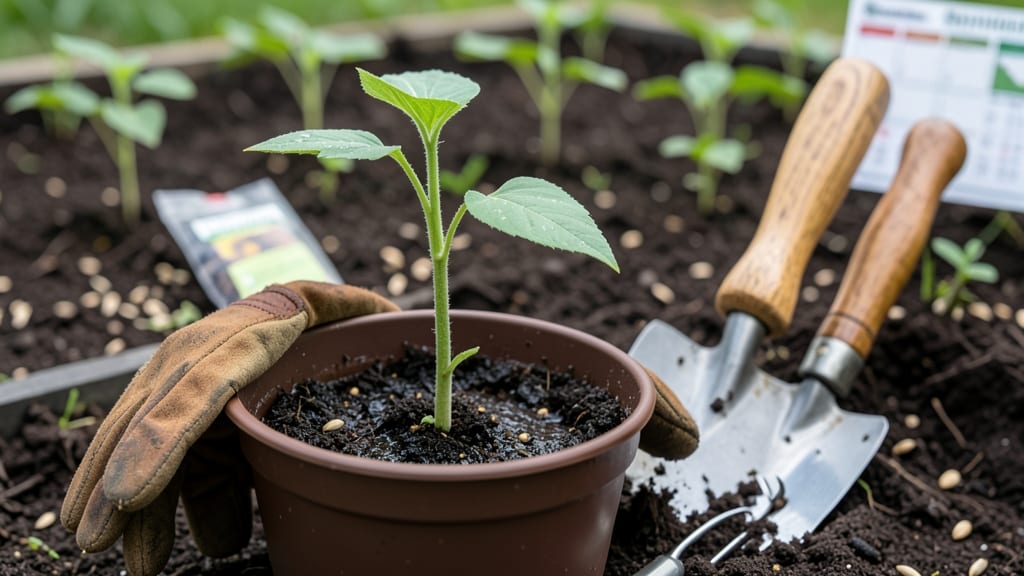
Plant sunflowers in Zone 8b after your last frost, typically by April 15, when soil temperatures hit at least 50°F—this ensures they reach their towering 10-foot potential before summer heat arrives.
Too early, and they’ll bolt before blooming; too late, and you’ll miss their late-summer glory. In Zone 8b, where frost lingers until mid-March, timing is everything to avoid wilting before those giant 🌻 heads emerge.
Sunflowers love heat but need consistent moisture early on. Direct-sow seeds ½-inch deep, spacing them 12 inches apart, and watch them shoot up in 7–10 days—just in time for peak summer blooms.
Below, I’ll break down the exact dates, soil prep tricks, and the best varieties to beat Zone 8b’s heat and humidity while keeping your garden bursting with color.
Optimal sunflower planting dates in Zone 8b for maximum height and blooms
Zone 8b gardeners have a 6-week window to plant sunflowers for maximum height (6–12 ft) and vibrant blooms. The key is avoiding early bolting from heat stress while ensuring seedlings mature before late-summer heat waves.
In my experience, the perfect planting window spans from mid-April to early June, aligning with soil temperatures above 50°F (10°C).
Sunflowers are direct-sown annuals, meaning they don’t transplant well. Starting seeds indoors isn’t practical due to their rapid growth and delicate taproots. Instead, I recommend sowing seeds directly into well-drained soil after your last frost date (March 15 in Zone 8b).
Early varieties like 'Teddy Bear' (3–4 ft tall) can handle cooler soils, while giants like 'Russian Giant' (10–12 ft) need warmer soil (60°F+) to thrive.
Here’s the critical timeline for sunflowers in Zone 8b:
For microclimate adjustments, I plant sunflowers 2–3 weeks later in low-lying areas where cold air pools (e.g., valleys). Conversely, hilltops or south-facing slopes can handle earlier plantings by 2 weeks—just monitor soil temps with a soil thermometer to avoid premature bolting.
Sunflowers in Zone 8b bolt quickly when soil temps exceed 80°F (27°C) for prolonged periods. To prevent this, I use shade cloth (30–50%) over seedlings until they reach 6 inches tall.
This buys 10–14 extra days of safe growth before direct sun exposure. Pair this with deep watering (1–2 inches per week) to maintain soil moisture during heat spikes.
Transplanting sunflowers is not recommended due to their fragile taproots, but if you must, I’ve had success with small seedlings (2–3 inches tall) moved in late April.
Use a gardening fork to lift entire root balls and water deeply before and after transplanting. Expect 2–3 weeks of setback as roots re-establish.
Late-summer sunflowers (planted in June) are my secret to fall color. Varieties like 'Autumn Beauty' produce multi-colored blooms that last until first frost (November 15).
For these, I mulch heavily with straw or wood chips to insulate roots and water deeply every 5–7 days to prevent wilting during Zone 8b’s dry spells.
Pro tip: Stake tall varieties (8+ ft) at planting to avoid wind damage. I use bamboo stakes (
How to adjust sunflower planting for Zone 8b’s heat spikes and humidity
Zone 8b’s heat spikes and humidity can turn sunflowers into wilting disappointments if you don’t adjust your planting strategy. The key is balancing soil moisture, shade protection, and variety selection to prevent bolting or fungal infections like powdery mildew.
Start by choosing late-season varieties that tolerate heat better, like ‘Autumn Beauty’ or ‘Moulin Rouge,’ which thrive when others struggle.
Your first move should be soil preparation. Zone 8b’s clay-heavy soils often bake hard in summer, so amend with organic compost and perlite to improve drainage.
Aim for 6.0–7.0 pH—sunflowers hate soggy roots. A 2-inch mulch layer of straw or pine bark keeps moisture consistent and blocks weeds that compete for nutrients.
Here’s the trade-off between early and late planting in Zone 8b’s climate extremes:
- Longer growing season
- Taller mature plants
- Risk of bolting in 90°F+ heat
- Higher fungal pressure
- Better heat tolerance
- Lower fungal risk
- Shorter plants (6–8 ft max)
- Limited bloom time
For seedlings, use shade cloth (30–50%) until they reach 4–6 inches tall. Remove it gradually to harden off plants—sudden sun exposure can scorch tender leaves. Water deeply every 3–4 days in summer, focusing on the root zone to encourage deep growth. Avoid overhead watering, which spreads fungal spores.
Zone 8b’s humidity demands circulation. Space sunflowers 18–24 inches apart in rows 3 feet apart to improve airflow. Prune lower leaves regularly to reduce moisture trapped against stems. If you notice yellowing leaves or white powder, treat immediately with neem oil or a copper fungicide.
Pro tip: Pair sunflowers with companion plants like marigolds or basil. These act as natural pest deterrents and improve soil health. For extended blooms, try succession planting every 2 weeks in late spring, staggering varieties like ‘Teddy Bear’ (dwarf) and ‘Russian Mammoth’ (tall) to create a continuous display.
With these adjustments, your sunflowers will bolt toward the sky instead of wilting in the heat—turning your Zone 8b garden into a sunflower paradise. 🌻