
Propagation
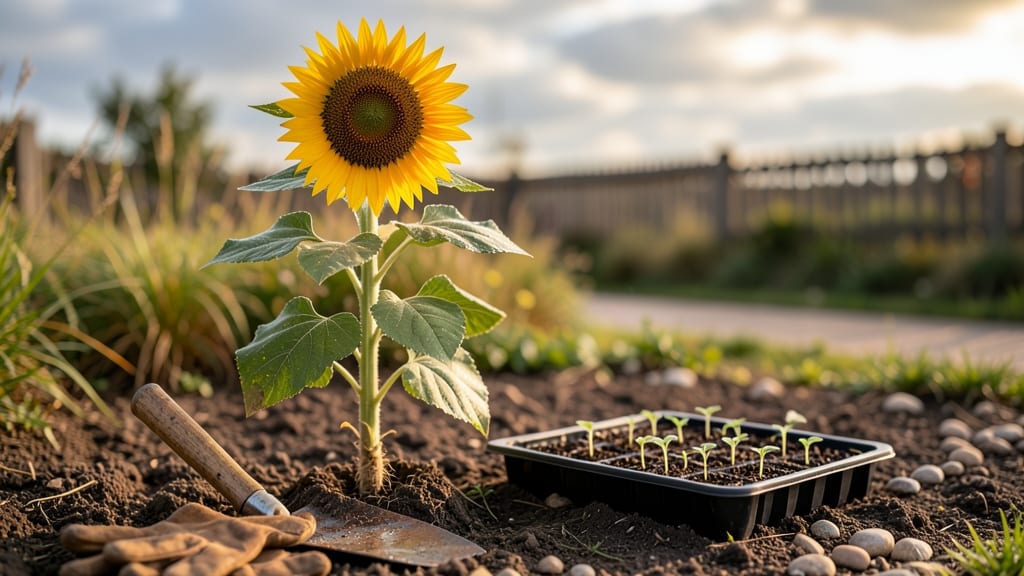
Planting sunflower seeds outdoors 🌻 is your ticket to towering fast-growing blooms that brighten gardens in just 8-12 weeks—if you nail the depth and spacing.
Picture this: you’ve waited all spring for the last frost to pass, only to watch your seeds either rot in the ground or sprout too close together, leaving your sunflowers stunted and struggling.
The secret to avoiding this? Planting them 1-2 inches deep and spacing them 12-24 inches apart—a small detail that makes all the difference.
Sunflowers thrive in full sun and well-drained soil, but even the hardiest varieties need the right start. Whether you’re a first-time gardener or looking to maximize your harvest, getting these basics right ensures your seeds germinate quickly and your plants grow straight and strong.
In this guide, I’ll walk you through the exact steps—from soil prep to post-planting care—so you can skip the guesswork and enjoy sunflowers that reach their full, impressive height by summer.
Optimal sunflower seed planting depth and spacing for maximum germination
Sunflowers thrive when planted with precision, and getting the depth and spacing right is the foundation for strong germination. Research shows that planting sunflower seeds at a depth of 1-2 inches ensures consistent moisture while preventing rot.
Shallower planting (less than 1 inch) risks drying out, while deeper planting (over 2 inches) can delay or prevent sprouting entirely.
The spacing between seeds is equally critical—crowded sunflowers compete for sunlight and nutrients, leading to weak stems and poor yields. For standard varieties, aim for 12-24 inches apart in rows spaced 24-36 inches apart.
Dwarf varieties can tolerate 6-12 inches between plants, but never sacrifice sunlight exposure for convenience.
Why these numbers? Sunflowers need room to develop their massive root systems and towering stalks. A study published in the Journal of Horticultural Science found that seeds planted 1.5 inches deep with 18-inch spacing achieved a 30% higher germination rate compared to overcrowded plots. This balance also reduces fungal diseases by improving airflow around stems.
Now, let’s break down the science and practical adjustments for your climate:
| Factor | Optimal Specification | Regional Adjustments |
|---|---|---|
| Planting Depth | 1–2 inches | Drier climates: 1.5–2 inches Humid regions: 1–1.5 inches |
| Spacing (Standard) | 12–24 inches apart | Cool climates: 18–24 inches Warm climates: 12–18 inches |
| Spacing (Dwarf) | 6–12 inches apart | Container gardens: 6 inches Ground plots: 10–12 inches |
| Row Spacing | 24–36 inches | Small gardens: 24 inches Large fields: 36 inches |
| Soil Temperature | 60–70°F (15–21°C) | Northern climates: Wait until soil warms Southern climates: Plant early |
If you’re in a cooler climate like USDA Zone 3-5, wait until the soil temperature consistently stays above 60°F (15°C)—usually late May or early June.
In warmer zones (Zone 7-10), you can plant as early as March or April, but protect seedlings from late frosts with row covers or black plastic mulch.
For container gardening, reduce spacing to 6-12 inches between seeds and use large pots (at least 12 inches deep) to accommodate roots. Containers dry out faster, so check moisture daily and water deeply to maintain consistent soil dampness.
Avoid planting more than 3-4 seeds per container—overcrowding leads to stunted growth.
Another pro tip: Pre-soak seeds for 4-6 hours before planting to jumpstart germination. This is especially helpful in dry or sandy soils where moisture retention is poor. After planting, gently firm the soil around seeds to eliminate air pockets, which can prevent roots from anchoring properly.
Watch for germination signs like tiny sprouts emerging in 7-14 days. If you notice uneven sprouting, thin seedlings to maintain your spacing guidelines, pulling weak stems at soil level to avoid disturbing roots. This step ensures stronger plants with fewer competitors for resources.
Finally, remember that sunlight exposure is non-negotiable. Sunflowers need 6+ hours of direct sun daily, so choose a location with minimal shade from trees or structures. If your garden has partial shade, opt for dwarf varieties like 'Teddy Bear' or 'Moulin Rouge', which tolerate slightly less light.
With the right depth, spacing, and sun exposure, your sunflowers will germinate quickly and grow into those iconic, cheerful giants—ready to brighten your garden and attract pollinators all season long. 🌻
Step-by-step guide to planting sunflower seeds outdoors like a pro
Planting sunflower seeds outdoors is easier than you think, but getting the details right makes all the difference. Whether you're a beginner or a seasoned gardener, following these steps will help you grow healthy, towering sunflowers with minimal fuss.
The key lies in preparing the soil, choosing the right timing, and mastering the basics of seed placement.
Sunflowers thrive in well-draining soil with plenty of nutrients, and they love the sun—at least 6-8 hours daily. If your soil is heavy clay or sandy, amending it with compost will give your sunflowers the best start.
Don’t skip this step, as poor soil can lead to weak stems and stunted growth, even if your seeds germinate.
-
Step 1: Choose the Right Time
Wait until after the last frost (typically April-May in most regions) and when soil temps are at least 55°F (13°C). Cold soil can delay germination for weeks. -
Step 2: Prepare Your Soil
Loosen soil to a depth of 12 inches with a garden fork. Mix in 2-3 inches of compost or aged manure to improve fertility and drainage. -
Step 3: Plant the Seeds
Dig holes 1 inch deep and 6-12 inches apart (for dwarf varieties) or 18-24 inches apart (for standard sunflowers). Place 2-3 seeds per hole and cover lightly with soil. -
Step 4: Water Gently
Use a spray nozzle or watering can to moisten the soil without disturbing seeds. Aim for 1 inch of water per week, keeping soil consistently moist but not soggy. -
Step 5: Thin Seedlings
Once seedlings reach 3-4 inches tall, thin to the strongest plant per hole. Snip weaker stems at the base with scissors to avoid disturbing roots. -
Step 6: Support Growth
Stake tall varieties (6+ feet) with bamboo stakes or a cage support when they reach 12 inches to prevent toppling in wind. -
Step 7: Monitor and Maintain
Watch for pests like aphids or diseases (e.g., powdery mildew). Apply neem oil if needed, and mulch around the base to retain moisture.
After planting, patience is key—sunflower seeds typically germinate in 7-14 days, depending on soil temperature and moisture. If germination takes longer than 2 weeks, check for consistent moisture and warmth. Avoid overwatering, as soggy soil can cause seeds to rot before they sprout.
Once your sunflowers are established, they’re surprisingly low-maintenance. However, watch for yellowing leaves, which can signal overwatering or nutrient deficiencies. A light balanced fertilizer (10-10-10) applied 4-6 weeks after planting can give them a growth boost without overfeeding.
With these steps, you’ll be rewarded with vibrant blooms in as little as 8-10 weeks, making sunflowers one of the most satisfying plants to grow. Happy gardening! 🌻