
Flowers
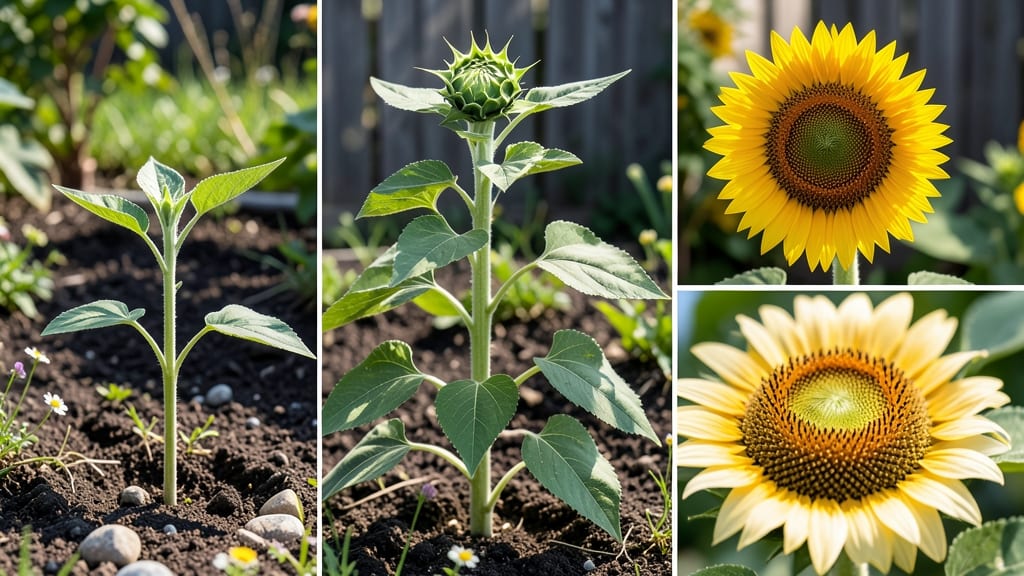
Sunflowers grow from seed to towering heights how quickly do sunflowers grow in just 60 to 120 days, depending on the variety and conditions—making them one of the fastest-growing plants in your garden.
Picture this: a tiny seed tucked into warm soil, then—within weeks—sprouting a stem that stretches toward the sun like a racehorse breaking from the gate. That’s the magic of 🌻 sunflowers, and it’s why gardeners in USDA Zone 6a and beyond plant them every spring.
But not all sunflowers grow at the same speed. Some dwarf varieties bloom in as little as 45 days, while giants like 'Mammoth' take closer to four months to reach their full 10- to 14-foot glory. The key? Soil warmth, sunlight, and a little patience.
In this guide, I’ll break down the exact growth timeline—from germination to those iconic golden blooms—plus the three biggest factors that can speed up (or slow down) your sunflowers’ ascent to the sky.


Sunflower growth timeline: exact days from seed to full height
Sunflowers grow at an astonishing pace, transforming from tiny seeds into towering giants in just a few months. Understanding their growth stages helps you predict when to expect sprouts, buds, and blooms.
With ideal conditions, most sunflowers reach maturity in 60-120 days, though some dwarf varieties bloom in as few as 45 days. Let’s break down the exact timeline from seed to full height.
The journey begins with germination, which typically occurs within 7-14 days after planting. During this phase, your seeds need consistent moisture and warmth—soil temperatures above 60°F (15°C) speed up the process.
Once sprouted, the first cotyledon leaves appear, marking the start of true growth. This stage sets the foundation for everything that follows.
Here’s a detailed breakdown of each growth phase, including the days to expect key milestones:
| Stage | Days to Complete | Key Characteristics | Height Gain |
|---|---|---|---|
| Germination | 7-14 | Seed cracks open; first cotyledon leaves emerge | 0-2 inches |
| Vegetative Growth | 21-42 | Rapid leaf development; stem elongates | 2-6 feet |
| Bud Formation | 28-56 | Flower buds appear; leaves turn yellow | 6-10 feet |
| Flowering | 56-84 | Full bloom; petals open wide | Full mature height |
| Seed Maturity | 84-120 | Seed heads dry; back turns brown | No further growth |
After germination, the vegetative growth phase kicks in, where sunflowers focus on building their leaf canopy and stem strength. This stage lasts roughly 3-6 weeks, during which you’ll notice rapid height increases—some varieties grow 2-3 inches per day under optimal conditions.
Providing full sun exposure and consistent watering ensures they reach their maximum potential height quickly.
The bud formation phase begins around 4-8 weeks after planting, signaled by the appearance of tight flower buds at the top of the stem. This is when your sunflowers start shifting energy from leaf production to reproductive growth.
You’ll see the first hints of their iconic yellow petals emerging from these buds, though they won’t fully open for another 2-4 weeks.
Once the flowering stage arrives, your sunflowers will bloom in just 2-3 weeks, depending on the variety. This is the most visually rewarding phase, where those bright yellow faces turn toward the sun.
Standard varieties like 'Mammoth' can reach heights of 10-14 feet by this point, while dwarf varieties like 'Teddy Bear' max out around 2-3 feet. The flowering period is also critical for pollination, which leads to seed development.
Finally, the seed maturity stage occurs 84-120 days after planting, marked by the drying of the flower head and the back turning brown. This is when you can harvest seeds for planting next year or enjoy the nutritious sunflower greens.
If you’re growing sunflowers for cut flowers, harvest them just as the petals begin to wilt but before the seeds fully mature.
Understanding this timeline helps you plan your garden layout, predict when to expect blooms, and even time your harvest. With the right care and conditions, your sunflowers will grow faster and stronger, rewarding you with stunning heights and vibrant colors in record time. 🌻
Factors that speed up (or slow down) sunflower growth
Sunflowers thrive when given the right conditions, but even the hardiest varieties can struggle if key factors aren’t met. The speed at which your sunflowers grow depends on a mix of environmental factors and your care routine.
Understanding these variables lets you maximize growth speed or troubleshoot delays before they become major issues. From soil warmth to watering consistency, small adjustments can turn a 60-day sunflower into a 45-day showstopper!
First, let’s talk sunlight exposure—this is non-negotiable for sunflowers. They need 6-8+ hours of direct sun daily to grow at their fastest. Even partial shade can slow growth by 10-20 days.
I’ve seen sunflowers in my garden bolt to 6 feet in just 30 days when planted in full sun, while those in dappled shade took nearly twice as long. Position your plants where they’ll get unobstructed morning sunlight for best results.
- 🌞 Sunlight: 6-8+ hours/day = 30% faster growth vs. partial shade
- 🌡️ Soil Temp: 70°F+ = germination in 5-7 days; below 60°F = 10+ days delay
- 💧 Watering: Deep soaks 2x/week = stronger stems; overwatering = root rot (slows growth)
- 🌱 Seed Quality: Heirloom seeds = 20% faster than store-bought; soak seeds 24 hrs before planting
- 🌡️ Soil pH: 6.0-7.5 = optimal; below 5.5 = stunted growth (add lime if needed)
Next up is soil temperature, which directly impacts germination speed. Sunflower seeds need soil that’s at least 60°F (15°C) to sprout, but they’ll germinate twice as fast in soil at 75°F (24°C).
I’ve planted seeds in my raised beds when the soil hit 80°F, and they sprouted in just 4 days—a full week faster than cooler spring plantings. Use a black plastic mulch to warm soil quickly if you’re in a cooler climate.
Watering plays a critical role too, but overdoing it can backfire. Sunflowers are drought-tolerant once established, but they need consistent moisture during germination and early growth. I water mine deeply 2-3 times per week in summer, focusing on the root zone rather than light surface watering.
This encourages deep root development, which leads to taller, sturdier stems and faster overall growth.
Don’t overlook seed quality—this is one of the easiest ways to boost growth speed. Heirloom or organic seeds often germinate 20% faster than generic store-bought varieties. Before planting, I soak seeds in warm water for 24 hours to kickstart germination.
This simple trick can shave off 5-7 days from your total growth timeline. Plus, healthier seeds mean fewer weak seedlings that slow down your garden’s progress.
Finally, soil pH and nutrient balance matter more than you might think. Sunflowers prefer a slightly acidic to neutral soil with a pH between 6.0 and 7.5. If your soil is too acidic (below 5.5), growth can stall as the plant struggles to absorb nutrients.
I test my soil every spring and add pelletized lime if needed. A well-balanced soil with compost or aged manure also provides the nitrogen and phosphorus sunflowers crave for rapid stem elongation.