
Planting
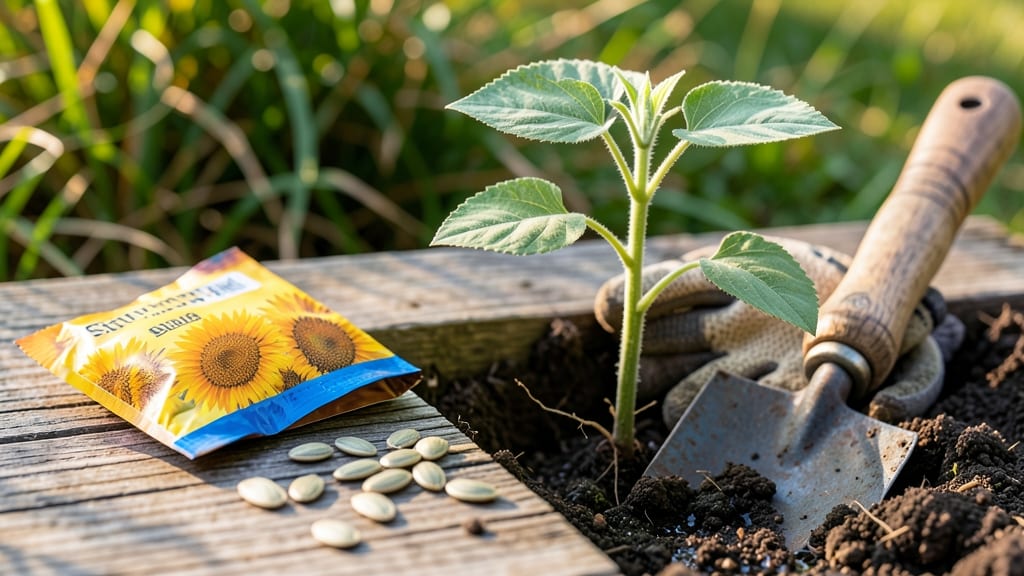
Timing your sunflower planting correctly is the key to unlocking those towering 🌻 blooms you’ve been dreaming of—especially in USDA Zone 6, where a single late frost can turn your garden into a sad, stunted mess.
Picture this: you’ve spent hours prepping the soil, your kids are counting down the days to harvest, and then—BAM!—a surprise frost hits. Your sunflowers wilt before they’ve even had a chance to stretch their leaves toward the sky.
That’s why knowing your exact frost-free dates isn’t just helpful—it’s the difference between a 12-foot giant and a 3-foot disappointment.
Sunflowers thrive when planted after the last frost, typically between April 15 and June 15 in Zone 6, but the best time depends on your variety. Fast-growing types like ‘Teddy Bear’ can handle cooler soil, while giants like ‘Mammoth’ need warm earth to avoid rot.
Below, I’ll break down the exact windows by zone, plus pro tips to adjust for your climate—because nobody wants to wait another year for that golden harvest.
You’ll also discover how to prep your soil for faster growth, when to transplant for maximum height, and the one mistake that stunts sunflowers more than anything else. Let’s get those seeds in the ground at the perfect moment!
Best sunflower planting time by USDA Zone (frost-free date guide)
Sunflowers thrive when planted after the last frost date in your USDA zone, but the exact timing varies dramatically from Zone 3 to Zone 11.
In cold climates, like Zone 4, I start seeds indoors 4-6 weeks before the last frost—typically by mid-March—to give them a head start. Meanwhile, in Zone 9 and warmer, I direct-sow seeds as early as February for a summer-long display.
The key is matching your variety’s mature days to your frost-free window.
For example, 'Mammoth' sunflowers, which take 90-120 days to bloom, need a longer growing season than 'Teddy Bear' dwarf varieties, which mature in 50-60 days. Planting 'Mammoth' too late in Zone 5 risks frost damage before they reach their 10-foot height.
Always check your average last frost date—I use the National Weather Service or Almanac for local precision.
| USDA Zone | Last Frost Date | Ideal Planting Window | Notes |
|---|---|---|---|
| Zones 3-4 | Mid-May | Indoors: March 15-April 15 Outdoors: May 15-June 1 |
Start dwarf varieties first; use row covers for late starts. |
| Zones 5-6 | Late April-May 15 | Indoors: March 1-April 1 Outdoors: May 1-June 15 |
'Mammoth' needs early start; 'Autumn Beauty' for late blooms. |
| Zones 7-8 | March 15-April 15 | Direct sow: March 15-June 1 | Long season allows succession planting every 2 weeks. |
| Zones 9-11 | None (warm year-round) | Direct sow: February-July | Avoid summer heat for 'Teddy Bear'; plant in fall for winter blooms. |
In Zones 3-4, I’ve learned that direct sowing after the last frost is risky—even a light frost can kill young seedlings. Instead, I use biodegradable pots to transplant starts outdoors once soil reaches 55°F.
For Zone 5, I aim to have 'Mammoth' sunflowers in the ground by May 15 to ensure they reach maturity before the first frost in October. I mark my calendar with two key dates: the last frost and the 120-day countdown for tall varieties.
For Zones 7-8, where summers are long, I take advantage of succession planting. After harvesting the first batch of 'Sunspot' sunflowers in July, I sow another round in early August for fall blooms.
This technique works beautifully for cut flower gardens too. In Zone 9, I’ve even planted 'ProCut' sunflowers in late summer to enjoy blooms through winter in microclimates.
One critical mistake I see often is planting sunflowers too early in cool, wet springs. Seedlings rot in 60°F soil or less, so I always wait until the soil is warm enough—I test with a soil thermometer.
In Zone 6, that means waiting until mid-May even if the air feels warm. Patience here prevents damping off and ensures sturdy stems.
If you’re in a humid climate, like Zone 8’s Gulf Coast, I recommend raising beds or using containers to improve drainage. Sunflowers hate soggy roots, and fungal diseases thrive in wet conditions.
In dry climates, like Zone 10, I mulch heavily to retain moisture—sunflowers need 1-2 gallons of water weekly once established, but they’re surprisingly drought-tolerant after the first month.
For container growing, choose dwarf varieties like 'Moulin Rouge' and plant in 5-gallon pots with well-draining mix. I’ve had success with balcony gardens in Zone 7 by planting in early April and moving pots to sheltered spots if frost threatens.
Containers warm up faster than garden beds, so they’re ideal for early starts in
How to adjust sunflower planting time for faster growth and larger blooms
Sunflowers thrive when planted at the perfect moment—too early, and frost can damage tender seedlings; too late, and you’ll miss the chance for large, vibrant blooms. The key to faster growth lies in adjusting your planting strategy based on your USDA zone and local climate.
Humid zones like Zone 9 need different timing than cooler Zone 5 gardens, and even a few weeks can make a difference in stem strength and flower size.
For gardeners in cooler climates, starting seeds indoors or using soil warming techniques can give sunflowers a head start. Meanwhile, those in hotter regions should avoid early planting to prevent bolting or pest pressure.
Let’s explore proven methods to optimize your sunflower planting schedule for maximum growth and stunning blooms.
- Use black plastic mulch to warm soil by 10°F—plant seeds directly on it for faster germination in cool zones.
- Plant companion crops like borage or marigolds nearby to retain heat and deter pests, especially in humid zones.
- Transplant seedlings when they’re 3-4 inches tall—avoid shock by hardening off for 5-7 days before moving outdoors.
- Avoid planting before last frost in Zone 7 or below—use row covers if early starts are necessary.
- For larger blooms, stagger plantings every 2 weeks to extend the flowering season and attract more pollinators.
Soil temperature plays a crucial role in sunflower germination. Seeds won’t sprout until the soil reaches 50-60°F. In northern zones (3-5), wait until mid-May or even early June to plant outdoors.
If you’re eager to get a head start, use a seedling heat mat or start seeds indoors under grow lights 4-6 weeks before the last frost date.
Companion planting isn’t just for pest control—it can also help regulate soil temperature. Tall plants like corn or beans create microclimates that retain warmth, while low-growing herbs like basil or thyme shade the soil to prevent overheating.
In humid zones (8-11), pair sunflowers with drought-tolerant companions like lavender to reduce fungal risks.
Transplanting sunflower seedlings at the right stage can add 2-3 weeks of growth compared to direct sowing. Harden off seedlings gradually by placing them outdoors for increasing durations each day. Once transplanted, water deeply to encourage root establishment and apply a balanced fertilizer (5-10-10) to support rapid stem elongation.
Timing matters just as much as technique—avoid planting sunflowers in late summer if you live in a hot, dry climate. The plants may bolt prematurely, producing smaller blooms.
Instead, opt for a late spring planting in Zone 9-11 to align with monsoon rains, which provide natural irrigation and reduce stress.
With these adjustments, your sunflowers will reach their full potential—taller stems, bigger blooms, and a longer flowering season. Experiment with timing in your own garden, and don’t forget to keep a planting journal to track what works best in your unique climate! 🌻