
Flowers
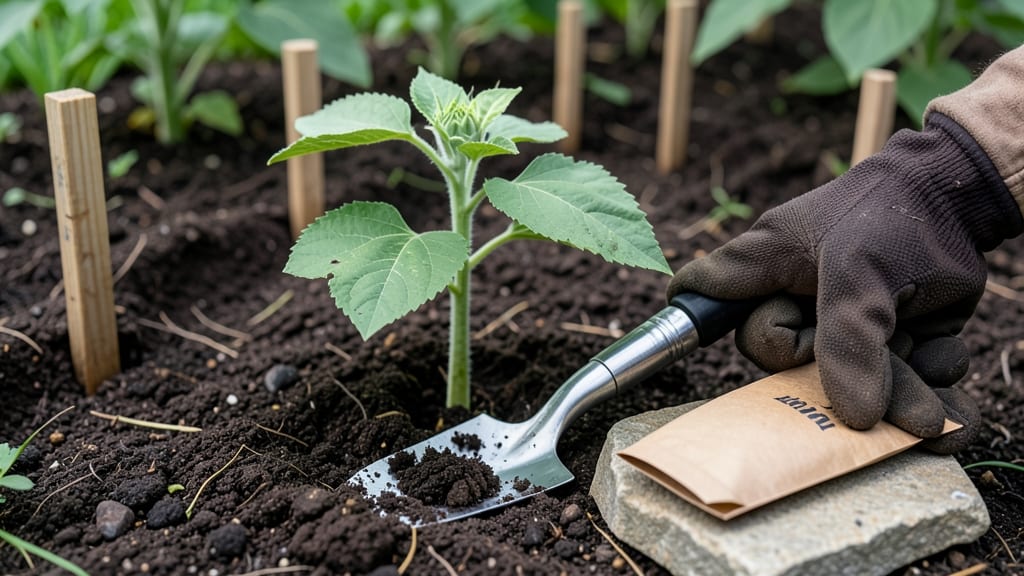
To plant sunflowers in Utah, aim for mid-April to mid-June when soil temperatures hit 55°F—skipping this window means risking frost damage or stunted growth.
Sunflowers thrive in Utah’s diverse climate—but planting them at the wrong time means wilted dreams instead of towering blooms. Timing is everything, and getting it right could mean the difference between a sunflower forest and a sad, stunted stalk.
Utah’s USDA Zones 5-7 offer a short growing season, so choosing the right sunflower variety is key. Dwarf types like ‘Moulin Rouge’ mature faster, while giants like ‘Russian Giant’ need extra time to reach their full height before fall frosts arrive.
Below, I’ll break down the best planting windows by zone, variety recommendations, and pro tips to keep your 🌻 sunflowers thriving until harvest—no matter where you are in the state.
Utah’s frost-free dates by USDA Zone (5-7): the perfect sunflower planting window
Utah’s diverse climate creates unique challenges for sunflower growers. The last frost dates vary dramatically between high-altitude mountain valleys like Park City and low-desert regions such as St. George. Getting your sunflower seeds in the ground at the right time ensures robust growth before Utah’s unpredictable fall frosts strike.
Sunflowers need 90-120 frost-free days to mature fully, making timing critical. In USDA Zone 5 (northern Utah), you’ll have fewer frost-free days than in Zone 7 (southern Utah). This means earlier planting in warmer zones and hardier varieties in cooler areas.
Here’s how to align your sunflower planting with Utah’s frost-free windows, broken down by region and microclimate:
For Zone 5 growers in Logan or Cache Valley, wait until late May to plant sunflower seeds. These areas have shorter growing seasons, so opt for fast-maturing varieties like 'Teddy Bear' (55-60 days to maturity). Planting too early risks cold soil and stunted growth.
In Zone 6 (Salt Lake City, Provo), you have more flexibility. Start planting mid-April for early blooms or stretch your season until mid-May for later varieties. This zone’s longer frost-free period allows room for both dwarf and giant sunflowers.
Southern Utah’s Zone 7 (St. George, Cedar City) is a sunflower paradise. With 245 frost-free days, you can plant as early as late March and enjoy blooms well into fall**. This extended season lets you experiment with tall giants like 'Russian Giant' or double-blooming varieties like 'Autumn Beauty'.
High-altitude areas like Park City present unique challenges. The late last frost date (May 15) and short season (118 frost-free days) demand early planting of fast-growing varieties. Start seeds indoors in late April or plant directly in late June for a late-summer harvest before early frosts.
Always check your local microclimate. A south-facing slope in Park City may warm up faster than a shaded valley
Sunflower variety planting guide: fast-growing vs. tall giants for Utah’s short season
Utah’s short growing season demands smart sunflower choices. Fast-growing varieties like 'Moulin Rouge' bloom in just 50-60 days, while towering giants like 'Russian Giant' need 100+ days to reach their full 12-foot height.
Your planting window—typically mid-April to mid-June—must align with your variety’s maturity timeline to avoid frost damage.
For USDA Zone 5 (northern Utah), prioritize dwarf or semi-dwarf varieties like 'Teddy Bear' or 'Autumn Beauty,' which mature in 60-70 days. In Zone 7 (southern Utah), you can push the envelope with taller varieties like 'Russian Mammoth' if planted by mid-May to ensure blooms before fall frosts.
Here’s how to match your sunflower variety to Utah’s climate and maximize your bloom time:
If you’re in Zone 5 (e.g., Logan or Park City), stick to fast-maturing varieties like 'Moulin Rouge' or 'Teddy Bear' to guarantee blooms before the first frost, typically around October 15.
These varieties thrive with 60 days or less to maturity, giving you a head start in Utah’s short season.
For Zone 7 (e.g., St. George or Cedar City), you can experiment with taller varieties like 'Russian Giant' or 'Russian Mammoth,' but plant them no later than mid-May. These giants need 100+ days to reach their full height, so timing is critical to avoid frost damage before they bloom.
Pro tip: Use row covers or black plastic mulch to warm the soil and extend your planting window by 2-3 weeks in cooler microclimates. This trick can make all the difference for late bloomers like 'Russian Giant' in Utah’s high desert.