
Flowers
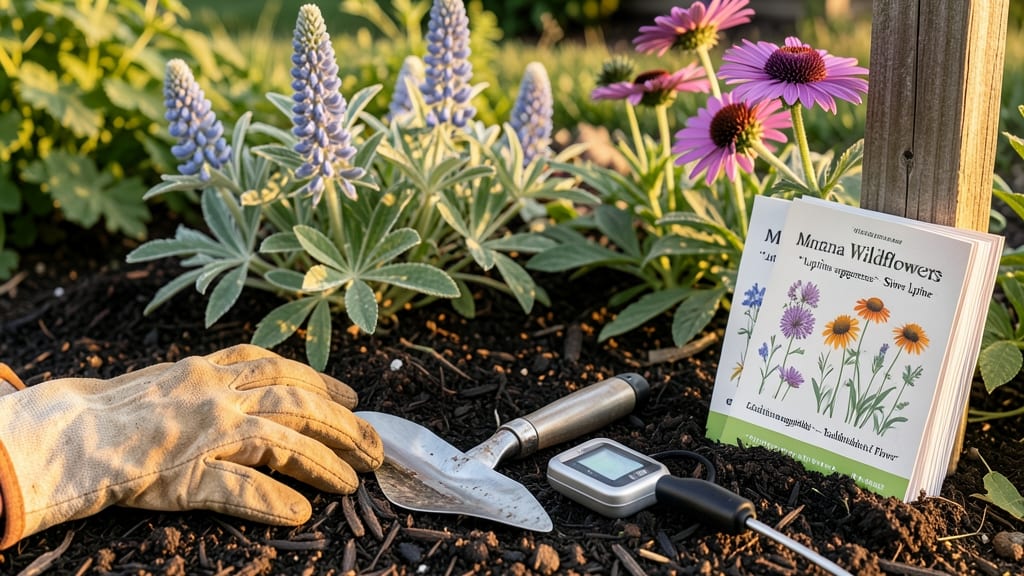
To plant flowers in Montana, aim for after last frost in spring and 4-6 weeks before first frost in fall—timing that turns your garden from a frost-killed mess into a vibrant showstopper.
Montana’s diverse climate—from cold mountain valleys to sun-drenched plains—means planting flowers at the wrong time can spell disaster for your garden. Timing isn’t just about avoiding frost; it’s about maximizing blooms and ensuring hardy perennials thrive year after year.
Whether you’re sowing seeds or transplanting delphiniums or coneflowers, knowing your USDA Zone (3-7) is the key. Miss the window, and you’ll end up with leggy seedlings or flowers that bolt before they even bloom.
Below, I break down the exact frost-free dates by zone, the best flowers for each season, and pro tips to keep your Montana garden looking its best—no matter how unpredictable the weather gets.
Montana’s frost-free dates by USDA Zone: key planting windows
Montana’s USDA Zones 3-6 create dramatic differences in frost-free dates, forcing gardeners to adjust planting timelines dramatically. In Zone 3, the last frost often lingers until May 15, while Zone 6 areas may see frost-free conditions by April 15.
These dates aren’t just numbers—they determine whether your annuals thrive or perennials survive.
Understanding these windows means the difference between lush summer blooms and frost-killed seedlings. For example, cool-season flowers like pansies can handle early spring planting in Zone 6, while warm-season favorites like marigolds need to wait until after the last frost in Zone 3.
Let’s break down the critical planting deadlines by zone to help you plan your garden calendar.
🌱 Key Tip: Always check your local Almanac frost dates—they can vary by 1-2 weeks from USDA averages, especially in Montana’s microclimates.
| USDA Zone | Last Frost Date | First Frost Date | Early Spring Planting (Seeds) | Late Spring Planting (Transplants) | Summer Planting (Heat-Lovers) |
|---|---|---|---|---|---|
| Zone 3 (Missoula, Glacier NP) | May 15 - June 1 | September 15 - October 1 | April 1 (indoors) / May 15 (outdoors) | June 1 - June 15 | July 15 - August 15 |
| Zone 4 (Bozeman, Big Sky) | May 1 - May 15 | September 10 - September 25 | March 15 (indoors) / May 1 (outdoors) | May 15 - June 1 | June 20 - August 1 |
| Zone 5 (Billings, Helena) | April 15 - April 30 | September 5 - September 20 | February 15 (indoors) / April 15 (outdoors) | May 1 - May 15 | May 20 - July 15 |
| Zone 6 (Great Falls, Miles City) | April 1 - April 15 | October 1 - October 15 | February 1 (indoors) / April 1 (outdoors) | April 15 - May 1 | April 20 - June 30 |
🌿 Note: Adjust for high-altitude areas (add 1-2 weeks later).
In Zone 3, where winters are harshest, starting cool-season flowers indoors by April 1 gives them a head start. By the time outdoor conditions stabilize in mid-May, your pansies or snapdragons will be ready to transplant.
Meanwhile, warm-season flowers like zinnias or sunflowers can’t tolerate frost, so wait until July 15 to plant them in Zone 3.
Zone 6 gardeners enjoy an earlier start, with annuals like marigolds or petunias ready for April 15 planting. This extended season lets you squeeze in two planting cycles—one in spring and another in early fall.
For example, cosmos or black-eyed Susans planted in May will bloom all summer, while pansies seeded in August may still flower before frost.
Don’t overlook perennial flowers like coneflowers or blanket flowers, which thrive when planted in early spring (after last frost) or early fall (4-6 weeks before first frost). These hardy plants establish roots before winter, giving them a 3-4 year head start on blooms.
In Zone 4, for instance, planting delphiniums in May ensures they’ll reward you with tall spikes of color by early July.
⏰ Pro Tip: Use row covers or cold frames to extend your planting window in Zones 3-4. These tools can push early spring plantings back by 2-3 weeks, letting you grow cool-season crops like calendulas or stock earlier.
For bulbs, timing is equally critical. Plant tulips and daffodils in
Best flowers to plant in Montana by season: a Zone-specific guide
Montana’s four distinct seasons create unique challenges and opportunities for gardeners. The key to a thriving flower garden lies in understanding seasonal planting windows and selecting cold-hardy varieties that thrive in USDA Zones 3-7.
Whether you're planting early spring bulbs or late-summer annuals, timing is everything to avoid frost damage and maximize blooms.
In Zone 3 (eastern Montana), where winters are harsh, focus on perennials like delphiniums and lupines that return year after year. Meanwhile, Zone 7 (southwestern Montana) allows for longer growing seasons, perfect for heat-tolerant annuals like coneflowers and blanket flowers.
Each season offers its own planting opportunities, from cool-season crops in spring to fall-blooming perennials that add color before winter.
- 1 Early Spring (March-April): Plant cold-hardy bulbs like tulips and daffodils as soon as soil is workable. Start cool-season annuals like pansies and snapdragons indoors for transplanting after last frost.
- 2 Late Spring (May-June): Transplant warm-season annuals like marigolds and zinnias after last frost. Divide and replant perennials such as coneflowers and black-eyed Susans for a vibrant summer display.
- 3 Summer (July-August): Sow heat-loving annuals like sunflowers and cosmos directly in the ground. Deadhead perennials to encourage fall reblooming and mulch to retain moisture in Montana’s dry summers.
- 4 Early Fall (September-October): Plant fall-blooming bulbs like crocuses and aster varieties. Start cool-season veggies and winter-hardy flowers like pansies for early spring color.
For Zone 3 gardeners, prioritize early spring planting of hardy perennials like delphiniums, which thrive in Montana’s short growing season. These tall, drought-tolerant flowers add vertical interest and bloom from mid-summer to fall.
Pair them with lupines, another native Montana favorite, to create a low-maintenance, pollinator-friendly garden.
In Zone 6 and 7, where summers are longer, annuals like zinnias and marigolds provide bold summer color and attract beneficial insects. Plant these heat-tolerant varieties after the last frost date (typically mid-May to early June) and deadhead regularly to extend blooming periods.
For fall interest, try asters or goldenrod, which thrive in Montana’s cool autumn temperatures.
Don’t overlook Montana-native flowers like blanket flower (Gaillardia) and penstemon, which require minimal water and thrive in rocky soil. These drought-resistant perennials are perfect for xeriscaping and add vibrant color with low maintenance.
Plant them in late spring after the soil warms, and watch them rebloom year after year.
To ensure success, always check local frost dates (available through Montana State University Extension) and adjust planting times accordingly. With the right seasonal timing and plant selection, your Montana garden can burst with color from spring to fall—even in challenging climates. 🌸