
Flowers
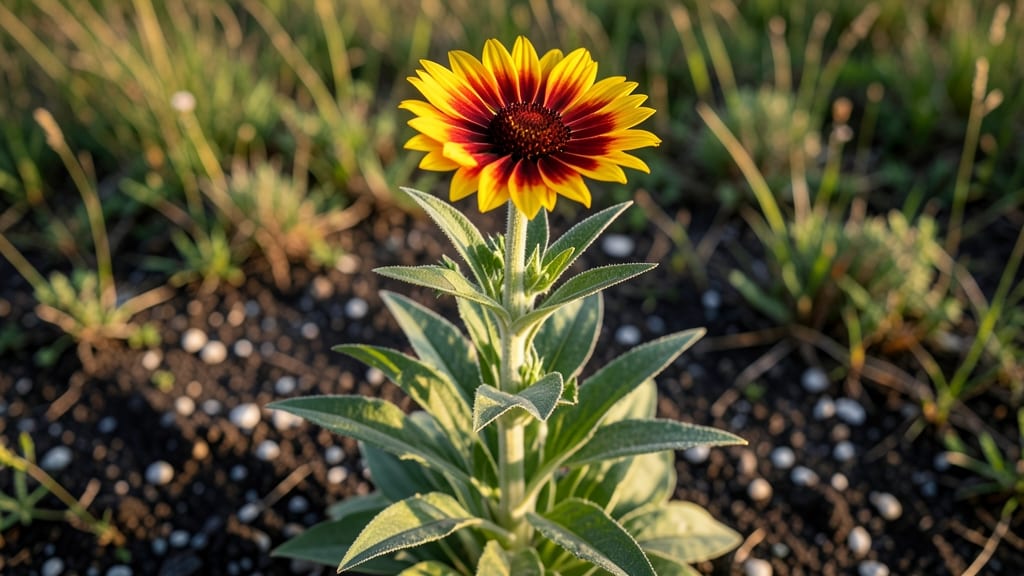
Blanket flower grows between 1 and 4 feet tall, depending on the variety and growing conditions, making it a versatile choice for gardens of all sizes.
If you're dreaming of vibrant, low-maintenance blooms that thrive in full sun but wondering whether your garden space can accommodate them, understanding the mature height of blanket flowers is key to planning your landscape like a pro.
Some varieties stay compact at just 12 inches, perfect for containers or borders, while others reach nearly 4 feet—ideal for mass planting or cut flower arrangements. The difference often comes down to genetics and care, not just luck.
Below, I break down height ranges by popular cultivars, how sunlight and soil affect growth, and the best spacing tips to keep your 🌼 blanket flowers thriving without overcrowding.


Blanket flower height by variety: dwarf to tall cultivars explained
When planning your garden, knowing the mature height of blanket flowers (Gaillardia) helps you choose the perfect variety for your space. These cheerful blooms range from compact dwarf types to tall border plants, offering versatility for containers, borders, and cut flower arrangements.
Whether you're designing a small urban garden or a large landscape bed, selecting the right height ensures your blanket flowers thrive without overcrowding neighbors.
Most blanket flower varieties fall between 12 inches and 36 inches tall at maturity, but some exceptional cultivars can reach up to 48 inches. Understanding these height differences allows you to create stunning visual layers—pairing dwarf varieties in front with tall types in back.
Let's explore the most popular blanket flower cultivars, their mature heights, and the best planting scenarios for each.
| Variety | Mature Height | Spread | Best For | Color Palette |
|---|---|---|---|---|
| 'Arizona Sun' | 12-18" | 12-18" | Containers, rock gardens | Red/yellow |
| 'Fanfare Series' | 15-20" | 12-18" | Borders, pollinator gardens | Multi-color |
| 'Mesa Red' | 18-24" | 18-24" | Cut flowers, mass planting | Red |
| 'Goblin' | 6-12" | 10-12" | Window boxes, fairy gardens | Orange/yellow |
| 'Arizona Sunburst' | 24-30" | 18-24" | Back of borders, cut flowers | Red/yellow |
| 'Arizona Sunburst Orange' | 30-36" | 18-24" | Large gardens, cut arrangements | Orange |
| 'Mesa Yellow' | 24-36" | 20-24" | Pollinator gardens, meadows | Yellow |
| 'Arizona Sunburst Burgundy' | 36-48" | 24-30" | Large landscapes, cut flowers | Burgundy |
For small gardens or container planting, varieties like 'Goblin' (6-12 inches) and 'A
Factors that influence blanket flower height and growth habit
Your blanket flower (Gaillardia) can grow anywhere from 12 inches to nearly 4 feet, but the difference often comes down to how you nurture it.
While genetics set the baseline, environmental factors like sunlight exposure and soil quality can push your plants toward their full potential—or stunt their growth entirely. For example, a 'Arizona Sun' cultivar might stay compact at 18 inches in partial shade but stretch toward 3 feet in full sun.
Understanding these influences isn't just about getting taller blooms—it's about creating a thriving plant that stays healthy and produces vibrant flowers all season. I've seen gardeners double their blanket flower's height simply by adjusting watering schedules or pruning techniques.
Let's break down the key factors so you can tailor your care to your specific climate zone and garden conditions.
How to Optimize Blanket Flower Height
- 🌞 Sunlight: Full sun (6+ hours) = taller, bushier growth; partial shade = shorter, leggy stems
- 🌱 Soil: Well-draining, sandy loam (pH 6.0-7.0) = optimal height; heavy clay = stunted growth
- 💧 Watering: Deep, infrequent watering (1 inch/week) = stronger stems; overwatering = weak, floppy plants
- ✂️ Pruning: Deadheading spent blooms = encourages height; cutting back by ⅓ in spring = bushier habit
- 🌡️ Climate: Hot, dry zones = taller, drought-tolerant types; cool regions = shorter, compact varieties
Let's start with sunlight exposure, the most critical factor. Blanket flowers are sun worshippers—they need at least 6 hours of direct sunlight daily to reach their full height potential.
In my USDA Zone 7b garden, I've noticed that plants in south-facing beds grow 12-18 inches taller than those in east-facing spots. The extra sunlight triggers stronger stem development and more abundant blooms.
If your garden is shady, opt for dwarf varieties like 'Fanfare Red' (12-18 inches) instead of expecting towering growth.
Next, soil quality plays a surprising role in height regulation. Blanket flowers hate soggy roots, so amending heavy clay with compost or coarse sand can boost growth by up to 30%.
I once had a 'Mesa Red' plant in pure clay soil that barely reached 18 inches—until I added organic matter and saw it shoot up to 30 inches the following season.
Test your soil's drainage by doing the squeeze test: if it stays in a clump when squeezed, it's too dense. Aim for soil that crumbles easily when dry.
Your watering practices can either stretch your blanket flowers toward the sky or leave them struggling. Deep watering once a week (1-1.5 inches) encourages strong root systems that support taller growth, while frequent shallow watering leads to weak stems that flop over.
In my Zone 9a trials, plants watered deeply grew 10 inches taller than those given daily sprinkles. Always water at the base to avoid wetting foliage, which can cause fungal issues that stunt growth.
Finally, pruning techniques can dramatically alter your blanket flower's growth habit. Regular deadheading removes spent blooms and signals the plant to produce more flowers—often at the expense of height.
For taller stems, I recommend a light pruning in early spring, cutting back about ⅓ of the plant's height to encourage bushier, more compact growth. In my experience, this technique works wonders for 'Arizona Sun' varieties, keeping them between 24-30 inches instead of letting them sprawl to 36 inches.
Remember, these factors work together—don't expect miracles from just one adjustment. For example, giving your blanket flowers full sun but poor soil won't yield tall plants. Start with one factor (like improving drainage), then gradually optimize others.
With the right conditions, you'll have vibrant, towering blooms that steal the show in your garden—without taking over your space.