
Flowers
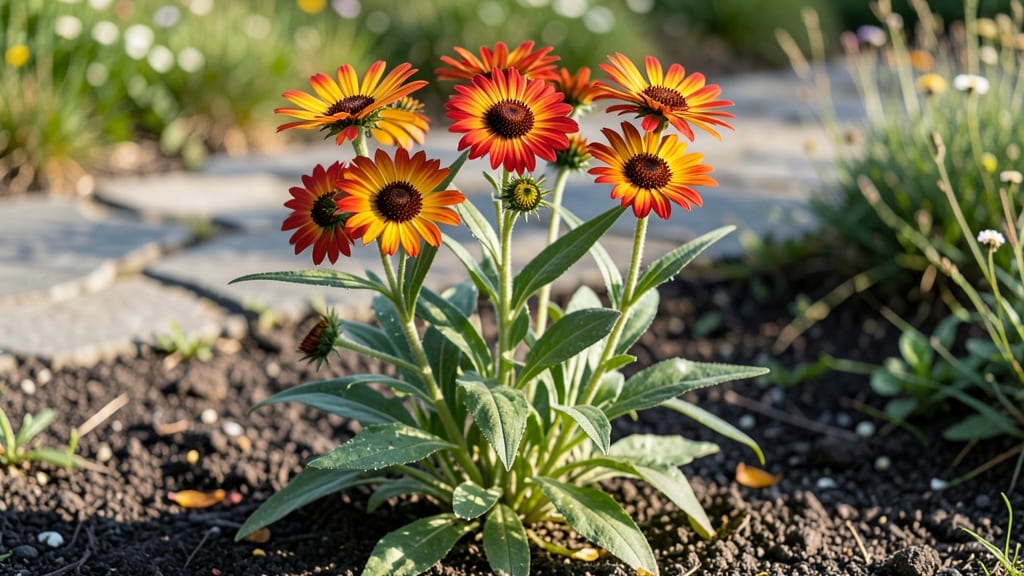
Blanket flowers grow between 1 and 4 feet tall, depending on the variety and growing conditions—making them a versatile choice for borders, pollinator gardens, or even container setups.
If you’re dreaming of vibrant, drought-tolerant blooms that add a splash of color to your garden, 🌼 blanket flowers (Gaillardia) are a top choice—but their height varies dramatically by type.
Some stay compact at just 1 foot, while others reach nearly 4 feet, so picking the right one for your space is key.
For front-of-border planting, dwarf varieties like 'Goblin' stay under 2 feet, while taller types like 'Arizona Sun' can top 3 feet—ideal for backdrops or cutting gardens. Proper spacing and occasional pruning can also help manage their growth, ensuring they thrive without overcrowding.
Below, I’ll break down the height ranges by variety, how to use them in your garden design, and tips to keep them at your preferred size—whether you want a low-maintenance border or a bold pollinator magnet.


Blanket flower height by variety: compact to towering options
Blanket flowers (Gaillardia) are celebrated for their bold colors and long bloom seasons, but their height can vary from just 6 inches to over 3 feet. This dramatic range means you can use them in everything from window boxes to garden backdrops.
The key to choosing the right variety lies in understanding each type’s mature height and growth habit.
For example, 'Goblin' series stays under 12 inches, making it perfect for rock gardens or container edges, while 'Arizona Sun' can reach 3 feet, ideal for mixed borders or pollinator gardens.
Even within the same variety, factors like soil fertility, sunlight exposure, and pruning habits can influence how tall your blanket flowers grow.
Here’s a quick comparison to help you visualize how these varieties stack up in your garden:
| Variety | Mature Height | Growth Habit | Best Uses |
|---|---|---|---|
| 'Goblin' Series | 6–12 inches | Compact, bushy | Containers, rock gardens, borders |
| 'Fanfare Series' | 12–18 inches | Semi-dwarf, upright | Front of borders, pollinator gardens |
| 'Mesa Red' | 18–24 inches | Medium, spreading | Mixed borders, cottage gardens |
| 'Arizona Sun' | 24–36 inches | Tall, sturdy stems | Backdrop plants, cutting gardens |
| 'Fanfare Lemon' | 12–18 inches | Semi-dwarf, rounded | Container gardens, window boxes |
If you’re working with limited vertical space, dwarf varieties like 'Goblin' are game-changers. They thrive in 5-gallon containers or raised beds and even perform well in hanging baskets with proper support.
For taller varieties like 'Arizona Sun', consider staking or planting near trellises to prevent flopping in windy conditions.
The 'Fanfare Series' offers a happy medium, with heights around 12–18 inches, making them versatile for both front-of-border plantings and mixed containers. Their upright growth habit also makes them excellent cut flowers for bouquets, as they hold their shape well in vases.
For maximum height control, deadhead spent blooms regularly. This encourages more compact growth and prolongs flowering by redirecting energy to new buds rather than seed production. Prune back leggy stems by one-third in early summer to promote bushier, shorter growth.
In cooler climates (USDA Zones 3–5), blanket flowers may grow slightly shorter but produce more robust stems to support their weight.
Conversely, in hot, dry regions (Zones 7–10), they often stretch taller in search of moisture, so mulching helps retain soil moisture and encourages healthier, more compact growth.
Pro tip: Pair tall varieties like 'Arizona Sun' with shorter perennials like salvia or lavender to create layered visual interest. For containers, combine dwarf blanket flowers with succulents or ornamental grasses to add texture and height variety without overcrowding.
Whether you’re designing a pollinator-friendly meadow or a small urban patio garden, blanket flowers adapt beautifully—just choose the right height for your space! 🌼
How to use blanket flower heights in garden design
Blanket flowers (Gaillardia) offer versatile height options that let you design everything from compact container gardens to striking border backdrops. The key is matching each variety’s mature height to its intended placement—whether that’s front-of-border sparkle or backdrop drama.
For example, dwarf varieties like 'Goblin' (12–18 inches) thrive in potted arrangements or rock gardens, while taller types like 'Arizona Sun' (24–36 inches) anchor perennial borders or pollinator-friendly meadows.
When designing with height, think in three tiers: foreground (under 18 inches), mid-height (18–24 inches), and backdrop (24+ inches). This creates visual depth and prevents overcrowding.
For instance, pair 'Fanfare Series' (18–24 inches) with salvias or coneflowers for a mid-border blend, then tuck 'Goblin' in front for trailing color. In containers, use tallest varieties as focal points and dwarf types as spillers over the edges.
-
🌱 Front-of-Border (12–18")
Use dwarf varieties like 'Goblin' or 'Fanfare Mini' in rock gardens or container edges. -
🌿 Mid-Height (18–24")
Ideal for border centers—pair with black-eyed Susans or catmint for contrast. -
🌳 Backdrop (24–36")
Tallest types like 'Arizona Sun' work as backdrop plants or cut-flower stalks. -
🪴 Container Gardening
Mix 1 tall, 2 mid-height, and 1 spiller (e.g., 'Goblin') in 12–14" pots. -
✂️ Pruning for Height Control
Cut back tall varieties by 1/3 after blooming to encourage bushiness and prevent flopping.
For container gardening, choose pots that accommodate each variety’s root spread—typically 12–14 inches wide for dwarf types and 16+ inches for taller ones. Use well-draining soil mixed with perlite or sand to prevent root rot, especially in compact pots.
Place containers where they’ll get 6+ hours of sun daily, as shadier spots can stunt growth and reduce blooms.
If you’re working with taller blanket flowers in borders, stake or cage them early to prevent wind damage or flopping. I’ve found that lightweight bamboo stakes or tomato cages work well without obstructing airflow.
For pollinator gardens, let the tallest varieties stand proud—their bright blooms attract butterflies and bees while providing vertical interest.
Don’t forget to prune spent blooms regularly to encourage continuous flowering. A quick deadheading every 2–3 weeks keeps your blanket flowers looking tidy and blooming longer.
In late summer, you can even shear back overgrown plants by half their height to rejuvenate growth before the fall frost.
With the right height strategy, blanket flowers become versatile stars in any garden—whether you’re creating whimsical containers, structured borders, or wildflower meadows. Experiment with different varieties and design layers to find the perfect balance for your space! 🌼