
Flowers
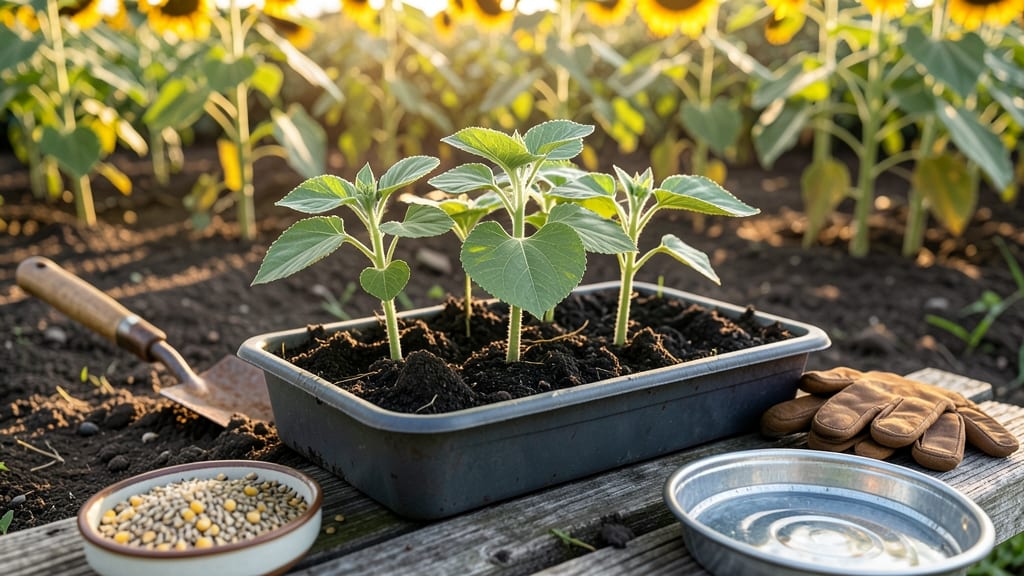
To plant sunflowers in Texas for doves, aim for late February to early May — timing that lets them mature before summer’s brutal heat dries out the seeds.
Sunflowers aren’t just beautiful—they’re a dove magnet, and getting the timing right means the difference between a quiet yard and a lively wildlife haven. But with Texas’ extreme heat and unpredictable rains, planting too early or late can leave you with wilted stalks or seeds that never ripen.
In Texas’ 8a-10b zones, sunflowers thrive when planted after the last frost (typically mid-February in North Texas, January in the South). The key is to give them 60–90 days of growth before the first frost hits—so late summer plantings (September–October) can also work if you’re in a warmer region.
Below, I’ll break down the best months by Texas region, the sunflower varieties doves love most, and how to prep your soil for maximum seed production—so your garden becomes a dove-friendly oasis.
Best planting months for sunflowers in Texas to attract doves
Timing your sunflower planting in Texas isn't just about aesthetics—it's about creating a dove-friendly feast. Doves rely on sunflower seeds year-round, but their behavior shifts with Texas' extreme seasons. Plant too early, and frost might kill your crop; too late, and summer heat could stunt growth before seeds mature.
The key? Align your planting with dove migration patterns and regional microclimates.
Texas spans three distinct gardening zones, each with unique frost dates and heat cycles. North Texas (think Dallas-Fort Worth) has cooler winters and longer growing seasons, while South Texas (Houston to the Rio Grande Valley) enjoys earlier springs and warmer winters.
Central Texas (Austin-San Antonio) falls somewhere in between. Let's break down the optimal planting windows for each region to maximize seed production for your feathered friends.
Doves prefer large, mature sunflower seeds, so your goal should be two harvests per year: one from spring plantings and another from fall plantings. Spring sunflowers provide seeds during summer when doves are most active, while fall plantings ensure food availability during cooler months when natural food sources dwindle. The average Texas gardener can achieve this with just two strategic planting sessions per year.
| Texas Region | Last Frost Date | Best Spring Planting Month | Best Fall Planting Month | Dove Peak Activity | Seed Maturity Window |
|---|---|---|---|---|---|
| North Texas (Panhandle to Dallas) | Mid-February | March-April | September-October | June-August | July-September |
| Central Texas (Austin-San Antonio) | Late January | February-April | August-September | May-September | June-October |
| South Texas (Houston-RGV) | Early January | January-April | July-August | April-October | May-November |
🌱 Pro Tip: Adjust planting dates 1-2 weeks earlier in cooler microclimates (e.g., hilltops) or later in urban heat islands.
For North Texas gardeners, focus on spring planting in March to catch the summer dove boom when temperatures stabilize. The fall window (September-October) gives you a second harvest just as doves prepare for winter.
In this region, Russian Mammoth sunflowers thrive even with 100°F+ heat, producing seeds that doves adore. I've seen mourning doves flock to my 10-foot-tall varieties within weeks of seed maturity!
Central Texas offers the most flexibility thanks to its moderate climate. Start seeds indoors in February for early blooms, or direct-sow in March for a more natural timeline. The fall planting window (August-September) is crucial here—it extends your seed production into November, when doves face food shortages.
I recommend Teddy Bear sunflowers for this region; their compact size makes them ideal for smaller yards while still attracting doves.
South Texas gardeners have the earliest and longest growing season, but they must work around humidity and potential hurricanes. Plant in January-February for spring blooms, then again in July-August for fall harvests.
The extended warm season means you can even get partial winter production from late plantings. Dwarf varieties like Autumn Beauty work well here—they mature faster in the heat and provide seeds when other plants struggle.
Regardless of your Texas region, soil temperature is your most critical factor. Sunflower seeds need soil at 60°F+ to germinate properly. Use a soil thermometer to check—if it's cooler, wait or use black plastic mulch to warm the soil faster.
I've planted too early in North Texas only to watch seeds rot in 50°F soil. Patience pays off when your sunflowers stand tall and dove-proof!
Don't forget that doves have specific feeding patterns. They prefer seeds that are
How to choose sunflower varieties that doves love most
Not all sunflowers attract doves equally—seed size, head structure, and drought tolerance matter most in Texas’ harsh climate. Doves prefer large, open seed heads packed with easy-to-access seeds, like those from Mammoth varieties.
These giants produce thousands of seeds per head, making them a dove buffet. But heat and drought can stress plants, so choosing the right type ensures your garden stays lush and inviting for wildlife.
Doves also favor taller varieties (8+ feet) because they provide better visibility for spotting predators while feeding. The Russian Giant and Autumn Beauty varieties are top picks because their large, sturdy stems hold up in Texas winds, while their abundant seeds keep doves returning.
For smaller spaces, Teddy Bear sunflowers (3-4 feet tall) offer a compact option with plenty of seeds and fuzzy petals that doves occasionally nibble.
Here’s how these top 5 varieties stack up for dove attraction, drought tolerance, and Texas suitability—ranked for your garden: