
Plants
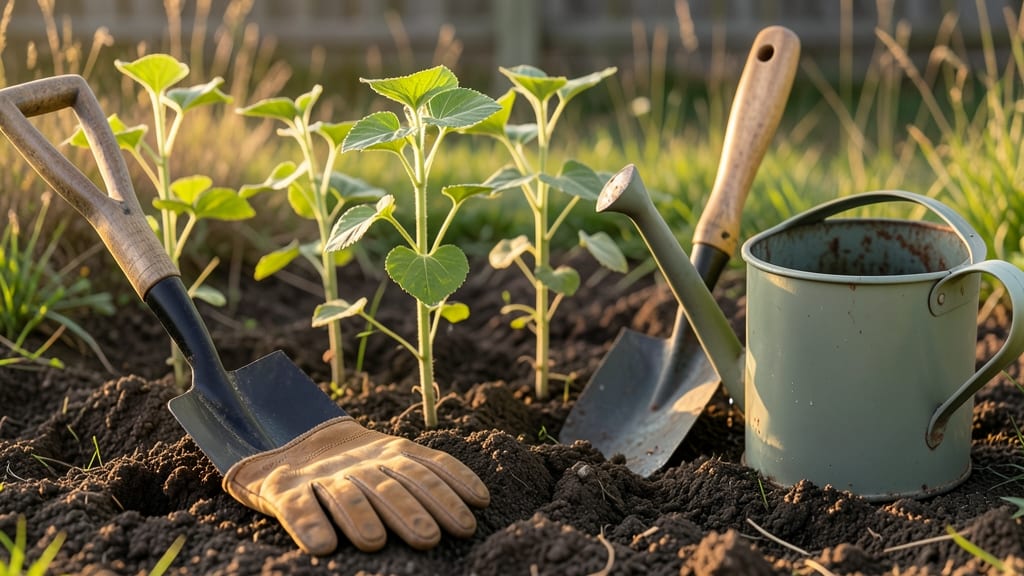
To plant sunflower seeds outside, wait until after your last frost date when soil temperatures hit at least 55°F — typically mid-April to early June in most regions.
Sunflowers aren’t just beautiful—they’re easy to grow, but timing is everything. Plant them too early, and frost will kill your seedlings; too late, and you’ll miss the towering blooms that define summer gardens.
In USDA Zone 6a, like many gardeners, that means waiting until mid-April when the ground thaws and stays warm enough for roots to establish. For cooler zones, push planting back to late May to avoid frost damage.
Below, I’ll share exact planting windows by zone, soil prep tips, and how to space seeds for those giant blooms you’ve been dreaming of.
Sunflower planting dates by US hardiness Zone: avoid frost and maximize growth
Sunflowers thrive when planted after the last frost date in your area, but the exact timing varies dramatically across USDA hardiness zones. In colder zones (3-5), you’ll need to wait until late spring, while warmer zones (9-11) can start sowing as early as February.
The key is aligning your planting with soil temperatures above 55°F and your sunflower variety’s 60-120 day maturity—because planting too late means missing those iconic summer blooms.
For example, a 90-day variety like 'Mammoth' planted in Zone 5 needs to go in the ground by mid-June to finish blooming before fall frost. Meanwhile, a 60-day dwarf variety like 'Teddy Bear' can be sown much later—even in Zone 10—and still produce flowers before winter arrives.
Let’s break down the ideal planting windows by zone to ensure your sunflowers reach their full towering potential.
Pro Tip: Always check your local last frost date (use the USDA Plant Hardiness Zone Map or your local cooperative extension office) and count backward from your first expected frost date to determine your planting window. Sunflowers are frost-sensitive seedlings, so never plant before soil temperatures stabilize.
| USDA Zone | Last Frost Date | Ideal Planting Window | Maturity Range | Notes |
|---|---|---|---|---|
| Zones 3-5 | Mid-April to early May | Late May to early June | 60-100 days | Use early varieties (e.g., 'Autumn Beauty') to avoid frost. |
| Zones 6-8 | Mid-April to early May | Early May to mid-June | 70-120 days | Perfect for tall varieties like 'Russian Giant'. |
| Zones 9-11 | Late January to early March | February to April | 60-90 days | Plant dwarf varieties for fall harvests. |
In Zones 3-5, where frosts linger into May, aim to plant sunflower seeds 2-3 weeks after your last frost date. For example, if your last frost is May 10, sow seeds around May 24-31.
This timing ensures seedlings emerge when soil temperatures are consistently above 55°F, reducing the risk of fungal diseases like damping-off. In my Zone 5 garden, I’ve found that planting 'ProCut' (a 60-day variety) in late May guarantees blooms by early July.
Gardeners in Zones 6-8 have more flexibility, with planting windows stretching from early May to mid-June. This range accommodates both short-season varieties (like 'Teddy Bear') and long-season giants (like 'Mammoth').
For a continuous display of blooms, I stagger plantings: one batch in early May for early summer flowers and another in late May for late summer harvests. This strategy also works well for seed collection—leave some flowers to mature fully for winter storage.
If you’re in Zones 9-11, you can start sowing sunflower seeds as early as February, but be mindful of heat stress. Early plantings may germinate quickly in warm soil, but seedlings can bolt (flower prematurely) if temperatures exceed 85°F.
To avoid this, I opt for shade cloth during peak afternoon sun or choose heat-tolerant varieties like 'Sunspot'. In Southern California, where I garden, I’ve successfully grown sunflowers year-round by planting in fall for winter blooms.
For fall harvests or winter seed collection, time your planting so that flowers mature 4-6 weeks before your first frost.
For instance, in Zone 7, with a first frost around October 15, plant seeds by late July to ensure seed heads dry on the stalk before frost. This timing also works for cut flower production, as mature seed heads remain attractive even after petals wilt.
One common mistake is planting sunflowers too early in hopes of an earlier harvest. While this might work in Zones 9-11, in colder zones, early plantings risk seedling death from frost.
Instead, use row covers or start seeds indoors 4-6 weeks before your last frost date for a head start. I’ve had success with this method in Zone 4, transplanting hardened-off seedlings after the last frost to jumpstart the growing season.
Remember, sunflowers are fast grow
How to time sunflower planting for giant blooms: soil temp, spacing, and succession planting
Getting those giant sunflower blooms starts with perfect timing. Sunflowers thrive when planted after the last frost date and in soil that’s warmed to at least 50°F. If you plant too early, seedlings risk frost damage, while late planting may delay blooms until fall.
Even the soil temperature matters—cold soil slows germination, so wait until it’s consistently warm.
Proper spacing between plants is another game-changer. Dwarf varieties like ‘Teddy Bear’ need just 12 inches apart, while tall giants like ‘Russian Giant’ require 24 inches to avoid competition.
Crowding leads to weak stems and smaller blooms, so plan your spacing based on the mature height of your chosen variety.
- 1. Wait for soil to warm to 50°F+ – Use a soil thermometer or wait until 2 weeks after last frost in your zone.
- 2. Plant seeds 1 inch deep – Press lightly into soil; deeper planting can delay germination.
- 3. Space seeds 6-12 inches apart – Thin to 12-24 inches when seedlings are 3-4 inches tall.
- 4. Succession plant every 2 weeks – Stagger sowings to extend blooms from early summer to frost.
- 5. Choose fast vs. slow varieties – Short-season types (50-60 days) for early planting; long-season (90-120 days) for late summer blooms.
For succession planting, sow new seeds every 2-3 weeks after your initial planting. This ensures a continuous display of blooms from early summer through fall.
For example, if you plant your first batch in late May, follow up with seeds in June and July to keep flowers appearing until frost.
Adjust your timing based on your sunflower variety. Short-season types like ‘Moulin Rouge’ (60 days) can handle late plantings, while long-season varieties like ‘Autumn Beauty’ (120 days) need early starts. Always check the days to maturity on your seed packet to align planting with your first frost date.
Once planted, give your sunflowers full sun (6+ hours daily) and deep watering once a week. Mulch around the base to retain moisture and regulate soil temperature. With the right timing and care, you’ll enjoy towering blooms that attract pollinators and brighten your garden all season long.
Don’t forget to stake tall varieties if needed—giant sunflowers can topple in windy conditions. A simple bamboo stake or tomato cage works perfectly to support their height while keeping them upright for those show-stopping blooms you’ve worked so hard to grow.