
Plants
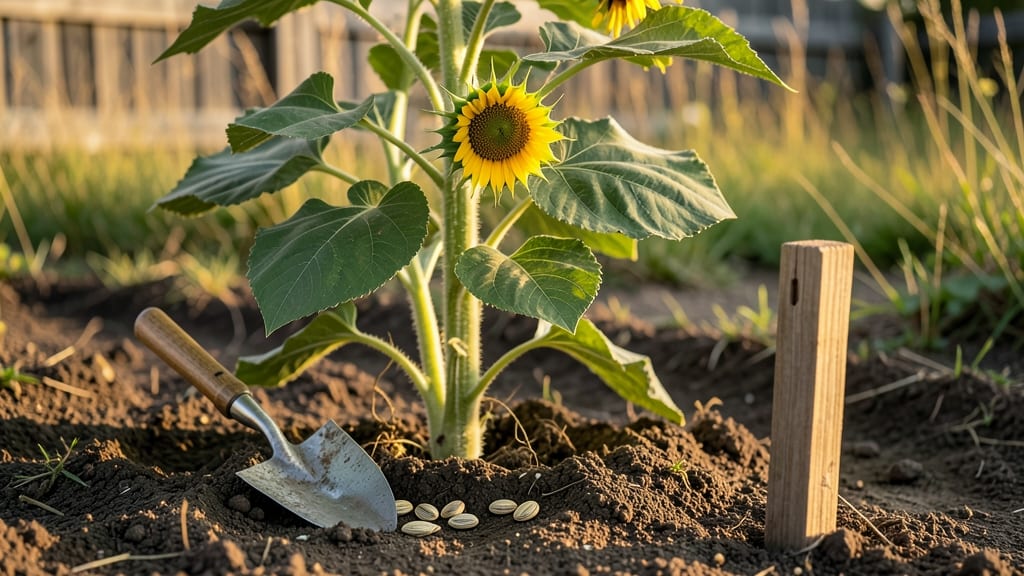
Plant sunflower seeds in North Carolina when soil temperatures hit 60°F and the last frost has passed—typically mid-April to mid-June for most of the state.
🌻 Miss that window, and you’ll either watch your seeds rot in cold soil or see your towering blooms cut short by early frost. But timing isn’t just about the calendar—it’s about your specific USDA zone, microclimate, and even the sunflower variety you’ve chosen.
North Carolina’s 6a-8b zones span from the mountains to the coast, meaning frost dates can vary by weeks. A late spring in Asheville might delay planting until early May, while Raleigh gardeners can start as early as April 1st.
In this guide, I’ll break down the exact planting windows for your zone, how to adjust for fall planting, and the one soil trick that ensures your sunflowers grow stronger and taller—no guesswork required.
North Carolina sunflower planting dates by USDA Zone (2024 guide)
North Carolina’s diverse USDA zones (5b-8a) create unique planting windows for sunflowers. Whether you’re in cool mountain zones like Asheville (6b) or warmer coastal areas like Wilmington (8a), timing matters to avoid frost damage or missed blooms.
Sunflowers thrive when planted after the last frost and before summer heat peaks, but fall plantings can also work in southern zones.
For optimal germination, soil temperatures should reach at least 60°F (15°C). Use this as your green light—cold soil delays sprouting and weakens seedlings. In Zone 5b (western NC), wait until mid-May, while Zone 8a (coastal NC) can start as early as mid-April.
Fall plantings are risky but possible in Zones 7a-8a if seeds mature before frost.
⚠️ Key Tip: Check your local last frost date using the NC State Extension’s frost calculator. Plant sunflower seeds 1-2 weeks after this date to ensure strong growth before summer heat arrives.
| USDA Zone | Spring Planting Window | Fall Planting Window | Soil Temp Threshold | Example Cities |
|---|---|---|---|---|
| 5b | Mid-May to early June | Not recommended | 60°F+ (15°C+) | Asheville, Boone |
| 6a | Late April to mid-May | Not recommended | 60°F+ (15°C+) | Charlotte, Greensboro |
| 6b | Early April to late May | Late July (fast varieties) | 60°F+ (15°C+) | Raleigh, Durham |
| 7a | Mid-March to early June | Late July to early August | 55°F+ (13°C+) | Fayetteville, Wilmington |
| 7b | Late February to mid-June | Late July to mid-August | 55°F+ (13°C+) | Greenville, Jacksonville |
| 8a | Early February to late June | August to early September | 50°F+ (10°C+) | Morehead City, Hatteras |
In Zone 5b (Asheville), where frosts linger until mid-April, wait until May 15 to plant. Use black plastic mulch to warm soil faster if needed.
For Zone 8a (coastal NC), you can start as early as February 15, but avoid planting before March 1 unless using a greenhouse.
Fall plantings are only viable in Zones 7a-8a. Aim for late July to early August to ensure sunflowers mature before the first frost (typically mid-October in Zone 7a or November in Zone 5b). Choose fast-maturing varieties (50-60 days) like ‘Teddy Bear’ or ‘Moulin Rouge’ for fall success.
For Zone 6a (Raleigh), my go-to window is April 15 to May 15. This gives sunflowers 120+ frost-free days to grow and bloom.
If you’re in Zone 7b (Greenville), you can stretch plantings to June 1 for late-summer blooms, but avoid planting after July 15 to prevent immature plants from freezing.
Pro tip: Use a soil thermometer to confirm readiness. Sunflower seeds won’t sprout below 50°F (10°C), but 60°F+ (15°C+) is ideal. In cooler zones, start seeds indoors 2-3 weeks early and transplant after last frost. For direct sowing, plant seeds 1 inch deep and 6 inches apart.
Remember, microclimates matter. A south-facing slope in Zone 6a may warm up faster than a valley garden, allowing earlier plantings. Similarly, urban heat islands (like Raleigh’s downtown) can extend the growing season by 1-2 weeks compared to rural areas.
For dwarf varieties (1-3 ft tall), like ‘Sunspot,’ you can plant 2 weeks later than standard sunflowers since they mature faster. Tall varieties (6-12 ft) need the full 120-day window, so plant them 4-6 weeks before your first expected frost date.
How to adjust planting time for sunflower varieties and microclimates
Not all sunflowers grow at the same pace, and North Carolina’s diverse microclimates can shift ideal planting dates by weeks. Tall varieties like Mammoth Russian need extra time to mature, while dwarf types like Teddy Bear can handle later starts.
In urban heat islands (e.g., Raleigh), soil warms faster than in mountain valleys like Asheville, creating a 2-3 week planting window difference.
Your local microclimate also matters—urban areas stay warmer at night, while valleys experience cooler nights. This affects soil temperature, which should be at least 60°F for germination. Soil prep with black plastic mulch can warm soil by 5-10°F, letting you plant earlier in cooler zones.
Here’s how to adjust your planting timeline based on these factors:
- 1. Choose fast-maturing varieties for cooler zones (6a-7a): Autumn Beauty (55-65 days) or ProCut (60 days). These thrive even with shorter growing seasons.
- 2. Plant 2-3 weeks later in mountain valleys (e.g., Asheville) where last frost arrives by April 15—wait until May 1 for taller varieties.
- 3. Extend the season in urban heat islands (e.g., Charlotte) by planting dwarf varieties like Sunspot as late as July 15 for fall blooms.
- 4. Use soil warmers (black plastic or row covers) to plant 2 weeks earlier in cooler microclimates, raising soil temps to 60°F+ faster.
- 5. Verify frost dates locally: Check NC State Extension or use a 3-step frost calculator (see below) to adjust your timeline.
For mountain gardens, aim for late May planting of semi-dwarf varieties (e.g., Moulin Rouge) to avoid early October frosts. In coastal plains (e.g., Wilmingtontall varieties as early as mid-April thanks to warmer soils.
To extend your growing season, try fall planting in late July for dwarf sunflowers. These varieties often bloom by September-October, adding late-season color before frost. Just ensure your soil stays above 55°F for germination.
Pro tip: Test your soil temperature with a soil thermometer before planting. If it’s below 60°F, wait 1-2 weeks or use row covers to speed up warming. Soil prep with compost also helps retain heat and moisture.
With these adjustments, you’ll avoid frost damage and missed blooms, ensuring sunflowers thrive year after year in NC’s varied climate. 🌻