
Planting
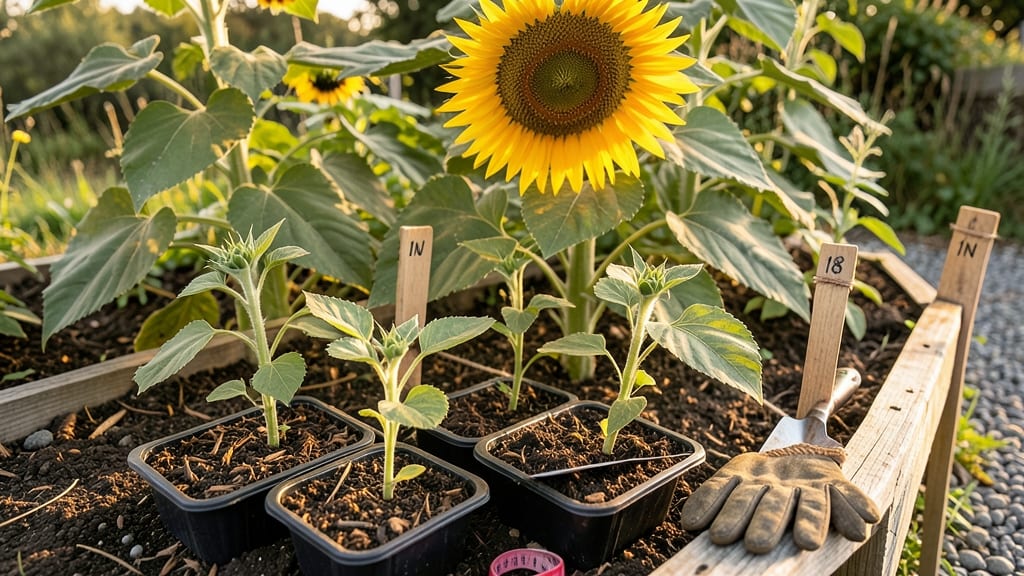
Planting mammoth sunflowers the right distance apart will leave you with weak stems and disappointing blooms—so spacing them correctly is the key to towering, healthy giants.
Picture this: your garden transformed into a sun-drenched oasis, with 12-foot sunflowers swaying in the breeze. But if you crowd them, you’ll end up with floppy stalks and powdery mildew instead of the stunning display you imagined. The secret lies in giving each plant enough room to thrive.
Most gardeners recommend spacing mammoth sunflowers 18 to 24 inches apart, but the exact distance depends on your soil, sun exposure, and whether you’re growing them in a field or a small garden bed.
Too little space means competition for nutrients, while too much can waste precious garden real estate.
In this guide, I’ll break down the science behind spacing, share common mistakes to avoid, and even offer creative solutions for small gardens. By the end, you’ll know exactly how to plant mammoth sunflowers for the strongest stems and biggest blooms.
Optimal spacing for mammoth sunflowers: the science behind the numbers
When planting mammoth sunflowers, spacing isn't just about fitting them into your garden—it's about giving their massive roots and towering stems the room they need to thrive.
These giants can reach 10-15 feet tall, so crowding them leads to weak stems, stunted growth, and even disease susceptibility. The right spacing ensures each plant gets enough nutrients, water, and sunlight to grow into those show-stopping blooms.
Sunflowers compete fiercely for resources, and their taproots can grow 3-4 feet deep in search of water and nutrients. When roots tangle, they steal nutrients from each other, resulting in pale stems and smaller blooms.
In high-fertility soils, you can space them slightly closer, but in poor soil, wider spacing is essential to prevent competition. Let’s break down the science-backed spacing for different scenarios.
For small gardens or containers, you can experiment with staggered planting—planting seeds in two waves 2-3 weeks apart. This mimics wider spacing by ensuring no two plants mature simultaneously.
In large fields, wider rows (4-5 feet apart) improve airflow, reducing the risk of powdery mildew, a common issue with overcrowded sunflowers.
Another critical factor is soil fertility. If your soil is nutrient-poor, space plants 3 feet apart to give roots enough room to forage. Amend the soil with compost or a balanced fertilizer (5-10-10) before planting to support closer spacing.
In well-fertilized soil, you can reduce spacing to 18 inches without sacrificing growth.
Sun exposure also plays a role. In full sun (6+ hours daily), stick to the 18-24 inch spacing for single-stem varieties. However, if your garden only gets 4-6 hours of sun, increase spacing to 24-36 inches to prevent shading and stem weakness.
Sunflowers in partial shade won’t reach their full height, but proper spacing still ensures they grow upright and healthy.
Pro tip: If you’re growing mammoth sunflowers for seeds, wider spacing (36 inches) is ideal. The heavier seed heads require stronger stems, and competition can cause them to snap under the weight.
For cut flowers, closer spacing (18 inches) works if you’re prioritizing bloom quantity over individual size.
One common mistake is assuming bigger blooms come from cramming plants together. In reality, overcrowding triggers stress responses, leading to smaller flowers and taller
Common spacing mistakes that stunt your sunflowers’ growth
Overcrowding your mammoth sunflowers might seem like a way to fill space quickly, but it’s a recipe for disaster. When plants compete for nutrients, water, and sunlight, their stems weaken, making them prone to snapping in wind or storms.
Worse yet, crowded conditions create the perfect breeding ground for powdery mildew, a fungal disease that turns vibrant blooms into sad, dusty remnants.
I’ve seen gardens where sunflowers were planted just 3 inches apart—a common mistake—only to watch the stalks lean precariously or develop yellowing leaves by mid-summer.
The root systems struggle to expand, and the plants put all their energy into survival rather than growing those iconic 12-foot stems you dreamed of.
Here’s the hard truth: Spacing isn’t just about aesthetics. It directly impacts your sunflowers’ height, bloom size, and even their disease resistance. Skipping proper spacing means sacrificing the very traits that make mammoth sunflowers so special.
⚖️ Ideal vs. Problematic Spacing for Mammoth Sunflowers
18–24 inches apart
- ✔️ Strong, straight stems
- ✔️ Full sun exposure for all plants
- ✔️ Reduced disease risk
- ✔️ Healthy root growth
6–12 inches apart
- ✖️ Weak, floppy stems
- ✖️ Powdery mildew risk
- ✖️ Stunted growth
- ✖️ Competition for nutrients
Note: For small gardens, 12–18 inches is the minimum. Always prioritize air circulation over density.
One of the first warning signs of poor spacing is when your sunflowers start leaning toward the sun. This isn’t just a cosmetic issue—it’s a sign their stems are struggling to support their own weight.
You’ll also notice smaller blooms or flowers that fail to open fully, a clear indication the plant is diverting energy to survival instead of flowering.
Even if your sunflowers do* grow in crowded conditions, their seed production will suffer. The heads will be underdeveloped, with fewer seeds per flower, and the stems may snap under their own weight.
Imagine planting dozens of seeds only to harvest a fraction of the potential—it’s heartbreaking, but entirely preventable with the right spacing.
If you’re already dealing with overcrowded sunflowers, don’t panic. Thin them out as soon as possible, giving each plant at least 12 inches of space. Remove the smallest or weakest seedlings first, and watch as the remaining plants rebound with new vigor.
It’s a small effort now that pays off in taller stems, healthier blooms, and a garden that truly lives up to its name.