
Flowers
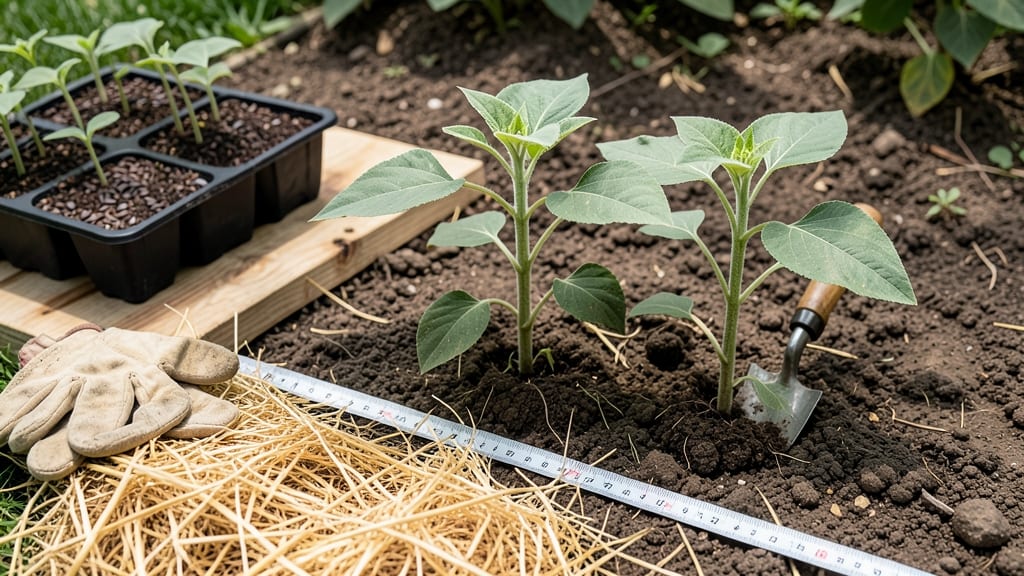
Planting sunflowers in South Carolina after the last frost date—around mid-April—sets the stage for fast, towering blooms before summer’s peak heat.
Here’s the catch: get them in too early, and a late frost will nip those delicate seedlings. Wait too long, and your 🌻 sunflowers might bolt or struggle in the humidity.
The key is timing it right for your USDA zone (7b-8b), where soil temps and rainfall play a bigger role than most gardeners realize.
Below, I’ll break down the exact planting windows for spring and fall (yes, fall works too!), plus soil prep tips to ensure your sunflowers thrive in South Carolina’s unique climate. No more guessing—just bold, reliable blooms from seed to harvest.
You’ll also discover the fastest-growing varieties for SC’s short season, how to adjust for containers, and the one trick that keeps them standing tall even in our heat and humidity.
South Carolina sunflower planting calendar by USDA zone (best months for maximum blooms)
South Carolina’s USDA zones 7b, 8a, and 8b offer perfect conditions for sunflowers, but timing is critical. The last frost date typically falls around March 15, while the first frost arrives around November 15.
This gives you a 210-day frost-free window—ideal for sunflowers that bloom in 50-100 days. Plant too early, and frost may damage seedlings; too late, and your blooms will fade before summer’s peak.
Sunflowers thrive in full sun (6-8+ hours daily) and well-draining soil with temperatures above 50°F (10°C). In South Carolina, this means waiting until mid-April to mid-June for direct sowing.
Dwarf varieties can tolerate cooler soil, while giant types need warmer conditions. Let’s break down the best planting windows for each zone to maximize your bold, vibrant blooms.
| USDA Zone | Best Planting Window | Soil Temp | Frost Risk | Variety Notes |
|---|---|---|---|---|
| 7b (Upstate) | Mid-April to early May | 50-60°F (10-15°C) | Moderate (late frosts) | Dwarf varieties (e.g., 'Teddy Bear') handle cooler soil better |
| 8a (Midlands) | Late March to mid-May | 55-65°F (13-18°C) | Low (rare frosts) | Standard types (e.g., 'Moulin Rouge') thrive here |
| 8b (Coastal) | Early April to late June | 60-70°F (15-21°C) | Minimal (frost-free) | Giant varieties (e.g., 'Russian Giant') love heat |
| All Zones | Late July (fall option) | 60°F+ (15°C+) | None (if planted early enough) | Confetti types (e.g., 'Autumn Beauty') work well |
For USDA zone 7b (Upstate SC), aim for mid-April to early May when soil temperatures consistently reach 50°F (10°C). This zone experiences late frosts, so wait until after the average March 15 last-frost date.
Dwarf varieties like 'Teddy Bear' (1-3 ft tall) are ideal—they tolerate cooler soil better than giant types. Start seeds indoors 4-6 weeks before transplanting outdoors after frost risk passes.
In zone 8a (Midlands), you have more flexibility with a late March to mid-May window. Soil warms faster here, allowing you to plant standard varieties like 'Moulin Rouge' (6-10 ft tall) directly outdoors.
These sunflowers bloom in 60-70 days, so a late-March start ensures peak summer blooms by July. Use black plastic mulch to warm soil faster if planting early.
Coastal zone 8b gardeners can plant early April to late June thanks to its warmer microclimate. Giant varieties like 'Russian Giant' (12-16 ft tall) thrive here, reaching towering heights with minimal frost risk.
For fall blooms, try a late-July planting—these sunflowers will mature just before first frost in November. Confetti types like 'Autumn Beauty' add colorful bicolor blooms to your late-summer garden.
Sunflowers are annuals in South Carolina, meaning they complete their life cycle in one season. This makes them perfect for direct sowing—no need for transplanting unless you’re starting seeds indoors. Plant seeds 1 inch deep and 12-24 inches apart, depending on the variety.
Giant types need more space, while dwarf varieties can be planted closer together for dense borders. After germination (which takes 7-14 days in warm soil), thin seedlings to avoid overcrowding.
One common mistake in South Carolina is planting too early in zone 7b, where late frosts can damage tender seedlings. Use row covers if you must plant in March, but wait until after April 15 for foolproof results. Another tip: water deeply after planting to settle soil around seeds
How to time sunflower planting for South Carolina’s heat and humidity (avoid common mistakes)
South Carolina’s humid summers and unpredictable rainfall can make sunflower planting tricky. The key is planting when soil temperatures stay above 50°F (10°C)—typically mid-April to mid-June—but avoiding the peak July heat that stresses young seedlings.
I’ve learned the hard way that planting too early risks frost damage, while late planting often means wilting before full bloom.
Container gardening adds another layer of complexity. Potted sunflowers dry out 3x faster than in-ground plants, so timing must account for daily watering needs and heat retention in containers. Even in-ground plantings need well-draining soil to prevent root rot during South Carolina’s frequent summer downpours.
⚠️ callout warning
Sunflowers need at least 70 days to mature in SC’s climate. Planting after mid-June means blooms won’t appear until late September, when temperatures drop and humidity spikes—leading to premature wilting. For container sunflowers, this window shrinks to May 15 due to faster drying.
✅ Solution: Use fast-maturing varieties (like 'Teddy Bear') if planting in late May-June. Monitor soil moisture daily—containers dry out in hours during SC’s 90°F+ afternoons.
For in-ground planting, aim for early May when nighttime temperatures consistently stay above 55°F (13°C). This gives seedlings 8-10 weeks of growth before July’s heat becomes overwhelming. I’ve found that mulching with straw keeps roots 5°F cooler and retains moisture during sudden summer thunderstorms.
Container sunflowers need a different approach. Start seeds indoors by late March in heat-resistant pots (black containers absorb less heat). Harden off seedlings for 10 days before transplanting after May 1. Use self-watering pots to prevent root stress—even one missed watering can stall growth during SC’s 95°F+ heat waves.
Don’t forget to test your soil’s pH before planting. Sunflowers thrive in slightly acidic to neutral soil (6.0-7.0). South Carolina’s clay-heavy soils often need compost or sand for drainage.
A quick fix is mixing 1 part peat moss into the top 6 inches of soil. This improves water absorption and root aeration—critical during hurricane season’s heavy rains.
Pro Tip: Mark your calendar for July 15—this is when I stop fertilizing sunflowers in SC. The high heat causes nutrient burn, and sunflowers naturally slow growth to conserve energy. Instead, focus on deep watering (1-2 gallons per plant) every 5-7 days to support bloom development. Container plants may need daily watering during heatwaves.