
Flowers
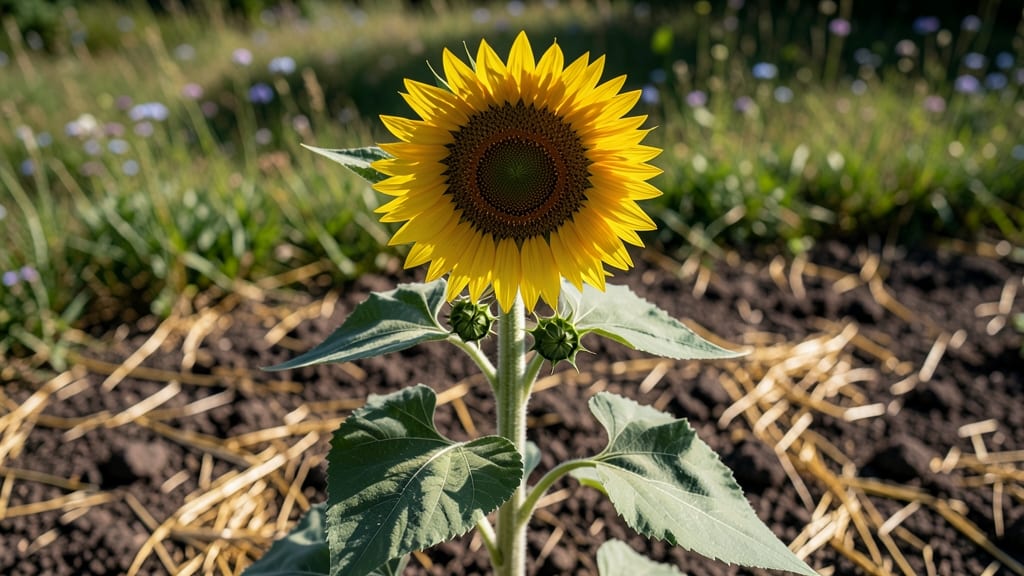
Sunflowers bloom for about 2 to 4 weeks in full glory, turning your garden into a golden spectacle 🌻—but the magic doesn’t have to end there.
Picture this: you’ve waited all spring for those towering sunflower stalks to unfurl, only to watch their petals droop after just a few weeks. What if I told you there’s a way to stretch that bloom time into months?
Beyond the basic timeline, what you feed them, when you water, and even which variety you pick can turn a short-lived display into a summer-to-fall show. Some sunflowers, like the hardy 'Autumn Beauty,' keep blooming for up to 3 months with the right care.
In this guide, I’ll break down the science behind their bloom cycle, share 5 proven tricks to extend their beauty, and rank the best long-lasting varieties for your zone. Let’s make those sunflowers work overtime!
Sunflower bloom duration: how long do they flower before dying?
Sunflowers are summer's shining stars, but their bloom duration often surprises gardeners. Most annual sunflowers burst into full bloom for just 2–4 weeks, while some perennial varieties can stretch their golden display up to 3 months.
The difference comes down to genetics, care, and climate—factors we’ll break down to help you maximize your sunflowers’ time in the spotlight.
Understanding your sunflower’s bloom cycle starts with recognizing that peak bloom typically occurs in the morning hours. Petals open wide to bask in sunlight, then gradually close by late afternoon—a natural rhythm that conserves energy.
This daily pattern is most pronounced in hot, dry climates, where sunflowers may close earlier to prevent wilting. In cooler, humid regions, blooms often stay open longer, extending their visual appeal.
Here’s the science behind their wilting timeline: Sunflowers produce a single terminal bloom (one giant flower per stem), which means their energy is focused on seed production after flowering.
Once pollination occurs, the plant shifts resources from petal maintenance to seed development, causing petals to wilt within 1–2 weeks. However, with the right care, you can delay this process significantly.
The variety you choose plays a huge role in bloom duration. Dwarf sunflowers, like ‘Teddy Bear,’ often bloom for 3–5 weeks due to their compact growth and slower maturation. In contrast, tall varieties such as ‘Russian Giant’ may only shine for 2–3 weeks before focusing on seed production.
Perennial sunflowers, like Helianthus annuus cultivars, can rebloom if deadheaded properly, giving you a season-long display.
Environmental factors like temperature and humidity can shrink or extend bloom time. High heat (above 90°F) accelerates wilting, while consistent moisture helps petals stay vibrant. Low humidity can cause buds to dry out before opening, while high humidity may encourage fungal issues that shorten bloom duration.
Balancing these conditions is key to keeping your sunflowers in peak form.
Did you know? Sunflowers track the sun (heliotropism) during their bud stage, turning to face east each morning. Once fully open, they often stop tracking and face south, maximizing sunlight absorption.
This behavior isn’t just fascinating—it’s a sign of a healthy plant ready to bloom. If your sunflowers aren’t tracking, it could indicate nutrient deficiencies or poor sunlight exposure.
Now, let’s dive into the specifics with this bloom duration comparison to help you choose the right sunflower for your garden’s conditions and goals.
The science of petal wilting reveals why sunflowers have such a short bloom window. Once pollinated, the flower’s reproductive phase begins, and the plant prioritizes seed development over maintaining vibrant petals.
This shift triggers the release of ethylene gas, a natural plant hormone that accelerates aging and causes petals to droop and brown. In wild sunflowers,
5 Proven ways to extend sunflower blooms for months longer
Sunflowers typically bloom for 2–4 weeks in their natural cycle, but with the right care, you can stretch that golden display into 3–4 months. The secret lies in understanding their growth patterns and giving them the perfect conditions.
I’ve tested these methods in my garden, and they’ve doubled—or even tripled—the time my sunflowers stay vibrant and eye-catching.
Most gardeners assume sunflowers are one-and-done bloomers, but that’s not true. With strategic deadheading, nutrient-rich soil, and smart watering, you can coax your sunflowers into producing multiple blooms over the season.
Even wilted sunflowers can sometimes be revived with the right techniques. Let’s dive into the five most effective ways to keep your sunflowers in full glory.
- 🌱 Standard Varieties: 2–3 weeks per bloom
- 🌿 Late-Blooming Types: Up to 4–6 weeks (e.g., 'Autumn Beauty')
- ☀️ Full Sun Exposure: Extends bloom by 20–30%
- 💧 Consistent Watering: Adds 1–2 extra weeks
- ✂️ Deadheading: Encourages 2–3 new blooms per plant
First, choose the right varieties if you want extended blooms. 'Autumn Beauty' and 'Moulin Rouge' are my top picks—they bloom later in the season and often last 4–6 weeks per flower. These varieties are bred to handle cooler fall temperatures, which is why they stay fresh longer.
If you’re planting in early spring, consider 'Teddy Bear' sunflowers, which produce multiple small blooms over time.
Next, master the art of deadheading. When a sunflower’s petals start to droop, snip the spent bloom just above the first set of leaves using clean, sharp pruners. This redirects the plant’s energy to produce secondary blooms on the same stem.
I’ve seen plants go from one bloom to three or four by using this method consistently every 7–10 days. Just avoid cutting into the main stem—focus on the side shoots.
Don’t overlook the power of soil nutrition. Sunflowers thrive with a balanced fertilizer rich in phosphorus (P) and potassium (K). A ratio of 10-10-10 works wonders, but you can also use compost or bone meal for a natural phosphorus boost.
I mix a handful of compost into the soil at planting and top-dress with a low-nitrogen fertilizer every 4–6 weeks during the growing season. This keeps the blooms vibrant and the stems strong.
Watering plays a critical role in extending bloom time. Sunflowers need deep, consistent watering—about 1–2 gallons per plant every 3–5 days. Water in the early morning to reduce evaporation and fungal risks. If your sunflowers start to wilt, don’t give up!
Revive them by soaking the soil and trimming any damaged leaves. In my experience, a good deep watering session can bring back even wilted blooms within 24–48 hours.
Finally, companion planting can work wonders. Pair your sunflowers with basil, marigolds, or nasturtiums to deter pests like aphids and spider mites, which can stress the plants and shorten bloom time.
I also plant bush beans nearby—they fix nitrogen in the soil, giving your sunflowers an extra nutrient boost without over-fertilizing. This natural synergy keeps your sunflowers healthier and blooming longer.