
Flowers
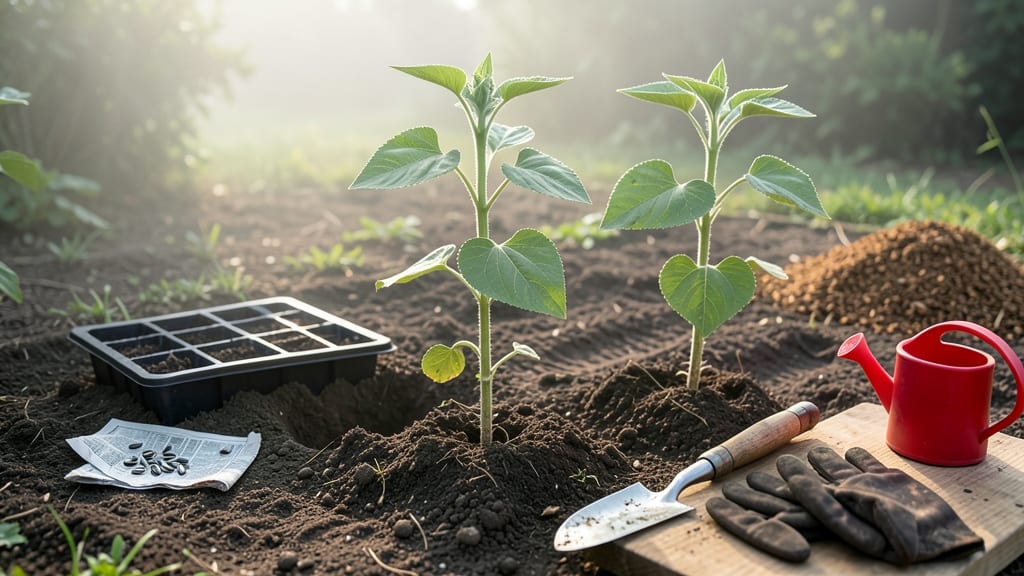
Planting sunflowers in South Florida means timing them right to avoid wilting before they bloom—especially when summer heat arrives.
Sunflowers 🌻 thrive under South Florida’s warm sun, but planting them at the wrong time means wilting before they even bloom. The key is to align their growth with Florida’s heat spikes for peak summer blooms, avoiding the stress of hurricane season or extreme midday temperatures.
In this guide, I’ll break down the best months to plant for vibrant blooms, how to pick varieties that handle Florida’s humidity, and pro tips to extend their blooming season—so you’re not left with sad, drooping heads by July.
You’ll learn how to choose between fast-blooming dwarf varieties and towering giants, when to fertilize for maximum growth, and how to water them without overdoing it in the sweltering heat.
Optimal sunflower planting months in South Florida: frost-free deadlines
South Florida’s frost-free climate means you can grow sunflowers year-round, but timing still matters for peak summer blooms. Unlike northern regions, our USDA Zone 11 eliminates frost risks, but heat spikes and hurricane season can disrupt growth.
The key is planting when soil temps stay below 90°F to avoid stress, and aligning growth with Florida’s dry season for best results.
For ground planting, aim for late fall to early spring (November–March) to give sunflowers time to mature before summer’s intense heat. Container planting offers flexibility—you can start seeds indoors in winter months and transplant outdoors after April 15, when daytime temps stabilize below 85°F.
This strategy helps avoid heat shock in young seedlings.
Here’s your frost-free planting timeline for South Florida, broken down by method and seasonal goals:
| Planting Method | Best Months | Days to Maturity | Key Goal | Avoid |
|---|---|---|---|---|
| Direct Ground Planting | November–March | 60–90 days | Summer Solstice blooms | June–August heat spikes |
| Container Start (Indoors) | January–February | 75–100 days | Transplant by April 15 | Hurricane season (June–Nov) |
| Succession Planting | March, September | 50–70 days | Extended blooms | Powdery mildew in humidity |
| Late Summer Rescue | September–October | 45–60 days | Fall color displays | Fungal diseases |
For ground planting, focus on November–March to ensure sunflowers reach maturity by summer. For example, planting in January with a 70-day variety will yield blooms by March 15, just in time for spring festivals.
If you’re growing tall varieties like ‘Russian Giant’, start seeds indoors in February and transplant after April 15 to avoid heat stress during critical growth phases.
Container growing is ideal for urban gardens or areas with poor soil. Start seeds in January–February indoors under grow lights or on a sunny windowsill. Transplant outdoors after the last heatwave warning (typically mid-April).
Use 5-gallon containers with drainage holes to prevent root rot—a common issue in South Florida’s humidity. Add compost to the potting mix for better moisture retention.
Aligning sunflower growth with Florida’s dry season (November–April) reduces watering needs and fungal risks. For instance, planting in December means less competition for water during peak summer rains (June–September). However, avoid planting in June–August unless using shade cloth, as soil temps can exceed 95°F, stunting growth.
Instead, opt for succession planting in March or September to extend your bloom season.
Hurricane season (June–November) adds another layer of planning. If you plant in late spring, prioritize sturdy varieties like ‘Autumn Beauty’ that can withstand wind. For containers, secure pots with stakes or weights to prevent tipping.
Mulch heavily around the base to keep roots cool during heat spikes—a critical tactic in South Florida’s Zone 11 climate.
Pro tip: Use a soil thermometer to check temps before planting. Sunflowers thrive when soil stays between 60–75°F. In summer months, wait until evening temps drop below 80°F before transplanting seedlings. This small step can mean the difference between wilting and flourishing plants.
For peak summer blooms, aim to have sunflowers in the ground by March 1. This timing ensures they’ll bloom by June 21 (Summer Solstice), when daylight is longest.
If you miss this window, try September planting for fall color displays. Just remember: South Florida’s humidity and heat demand extra care—consistent watering and well-draining soil are non-negotiable.
🌻
Sunflower varieties for South Florida’s climate: fast-blooming vs. tall giants
South Florida’s year-round warmth lets you grow sunflowers almost anytime—but not all varieties thrive equally. Fast-blooming types like 'Moulin Rouge' (50–60 days) are perfect for quick summer color, while tall giants like 'Russian Giant' (90–120 days) need cooler seasons to reach their towering heights.
Choosing the right variety ensures your sunflowers beat the heat and humidity without wilting.
For fast blooms, prioritize dwarf or semi-dwarf varieties like 'Teddy Bear' or 'Autumn Beauty'. These mature in 55–75 days, making them ideal for late-winter or early-fall plantings.
Tall varieties, however, demand more patience—and cooler temps. Plant 'Russian Giant' or 'Mammoth' in fall (September–October) to avoid summer heat stress.
Here’s how these varieties stack up for South Florida’s climate:
If you’re aiming for quick summer blooms, 'Moulin Rouge' or 'Teddy Bear' are my top picks. Their compact size (2–4 ft) and fast growth make them perfect for containers or small gardens.
For a dramatic focal point, 'Russian Giant' can reach 12–18 ft—but only if planted in fall to avoid summer’s oppressive heat.
Pro tip: Pair fast-blooming varieties with tall giants for a layered look. Plant 'Autumn Beauty' in late summer for early fall color, then follow with 'Russian Giant' in September for next year’s towering blooms. Just ensure they’re spaced 18–24 inches apart to avoid shade competition.
South Florida’s humidity can stress sunflowers, so prioritize well-draining soil and morning watering. Mulch around the base to retain moisture and keep roots cool. With the right variety and timing, you’ll enjoy sunflowers from spring to fall—no frost to worry about! 🌻