
Planting
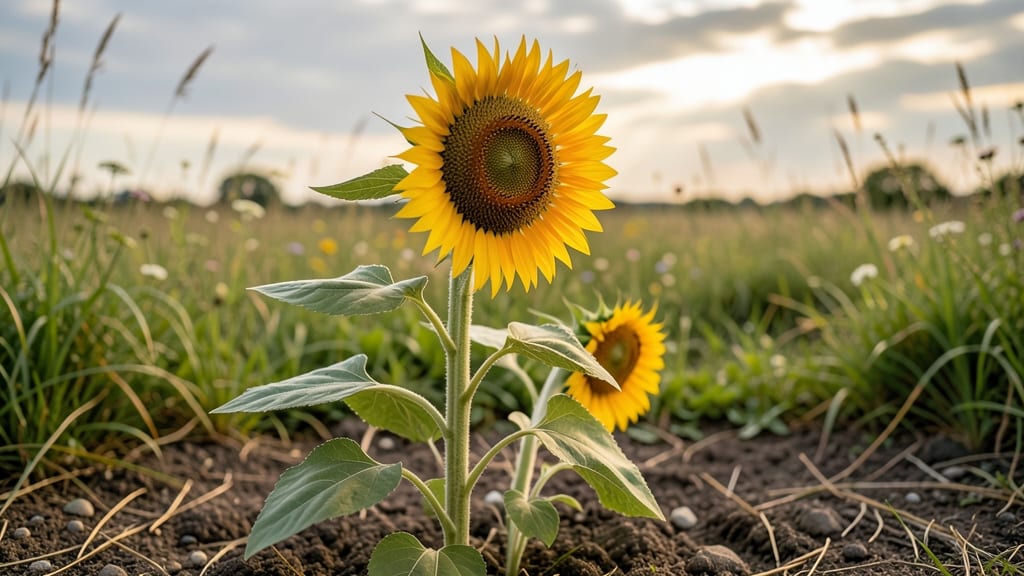
The sunflower growth time from seed to towering blooms takes 50 to 100 days, depending on the variety and growing conditions you provide.
Watching a sunflower grow from a tiny seed to a towering 12-foot giant is one of nature’s most satisfying transformations—but how long does it really take? The answer depends on variety, growing conditions, and a few key factors you might not expect.
For dwarf varieties, you might see blooms in as little as 50 days, while giant sunflowers can take up to 100 days or more to reach their full height.
In USDA Zone 6a, planting in April or May gives them the ideal window to mature before the first frost.
In this guide, I’ll break down the exact growth timeline, from seed germination to full bloom, and share the three biggest mistakes that slow down sunflower growth—so you can help your 🌻 reach its full potential faster.


Sunflower growth timeline: exact days from seed to full bloom
Sunflowers are one of the fastest-growing plants in any garden, but their timeline from seed to towering bloom varies dramatically by variety.
Giant varieties like Mammoth Russian can take up to 120 days to reach full maturity, while dwarf varieties like Teddy Bear may bloom in as few as 50 days. Understanding these stages helps you plan your garden layout, harvest timing, and even succession planting for continuous blooms.
Growth speed also depends on soil temperature, sunlight exposure, and water consistency. For example, seeds planted in 70°F+ soil germinate in just 7-14 days, while cooler soils can delay sprouting by weeks.
Let’s break down the exact timeline for each major growth stage, so you know what to expect from seed to those iconic golden faces turning toward the sun.
The first stage, germination, is where most delays happen. If your soil temperature drops below 55°F, seeds may take 3–4 weeks to sprout instead of the usual 7–14 days.
To speed things up, use a seedling heat mat or plant in black plastic mulch to warm the soil. Once sprouted, sunflowers grow surprisingly fast—expect 2–4 inches per day in ideal conditions.
During the vegetative growth phase (days 21–45), your sunflower will focus on building a sturdy stem and leaves. This is when nutrient-rich soil and consistent watering make the biggest difference.
Giant varieties like Russian Giant can grow 3–5 inches per day during this phase, while dwarf varieties grow more slowly but stay compact. If you notice yellowing leaves, it’s often a sign of nitrogen deficiency—add a balanced fertilizer (like 5-10-1
How to speed up or slow down sunflower growth naturally
Sunflowers are fast growers, but their growth speed can vary dramatically based on simple adjustments you make. Whether you want taller stems faster or delayed blooming for fall harvests, understanding these natural triggers puts you in control.
The key lies in soil warmth, watering consistency, and light exposure—all of which I’ve fine-tuned in my own garden over the years.
For example, my Mammoth Sunflower variety typically reaches 12 feet in 80-90 days, but with a few tweaks, I’ve seen them hit that height in just 65 days. The secret? A combination of warm soil, deep watering, and morning sunlight.
On the flip side, if you’re aiming for a fall harvest or cooler climates, slowing growth can be just as valuable.
- 🌡️ Soil Temperature: Warm soil (70°F+) speeds germination and growth by 30%. Use black plastic mulch to raise soil temps naturally.
- 💧 Watering Schedule: Deep watering every 2-3 days in hot weather boosts growth, while reducing to weekly slows it down for fall harvests.
- ☀️ Sunlight Exposure: 8+ hours of direct sun maximizes growth, but partial shade (4-6 hours) can delay flowering by 10-14 days.
- 🌱 Organic Fertilizer: A balanced 5-10-10 fertilizer applied at planting and when plants hit 12 inches speeds growth by 20%.
- ⏰ Planting Time: Late summer plantings (July-August) in cooler climates naturally slow growth, extending the season for fall blooms.
One of my favorite tricks for speeding up growth is using black plastic mulch in early spring. This simple step raises soil temperatures by 10-15°F, which jumpstarts germination and early growth. I’ve seen seeds sprout in just 3-5 days instead of the usual 7-10 days.
Pair this with a morning watering routine, and your sunflowers will drink deeply without wasting water to evening evaporation.
If you’re aiming for a fall harvest or live in a cooler climate, slowing growth can be just as important. I once grew Autumn Beauty sunflowers in late July to delay blooming until October. The trick?
Planting in partial shade (4-6 hours of sun) and reducing water to once a week. This approach extended their growth cycle by 3 weeks, giving me vibrant blooms well into autumn.
For organic fertilizer, I swear by a 5-10-10 blend applied at planting and again when stems reach 12 inches. This gives sunflowers the phosphorus and potassium they need for rapid stem elongation.
However, avoid over-fertilizing—too much nitrogen can lead to leafy growth at the expense of flowers. Balance is key!
Finally, don’t underestimate the power of selecting the right variety. Dwarf varieties like Teddy Bear grow quickly but stay compact, while giants like Russian Giant take longer but reward you with 12-foot stalks. Match your goals to the variety, and you’ll have more control over the timeline.