
Vegetables
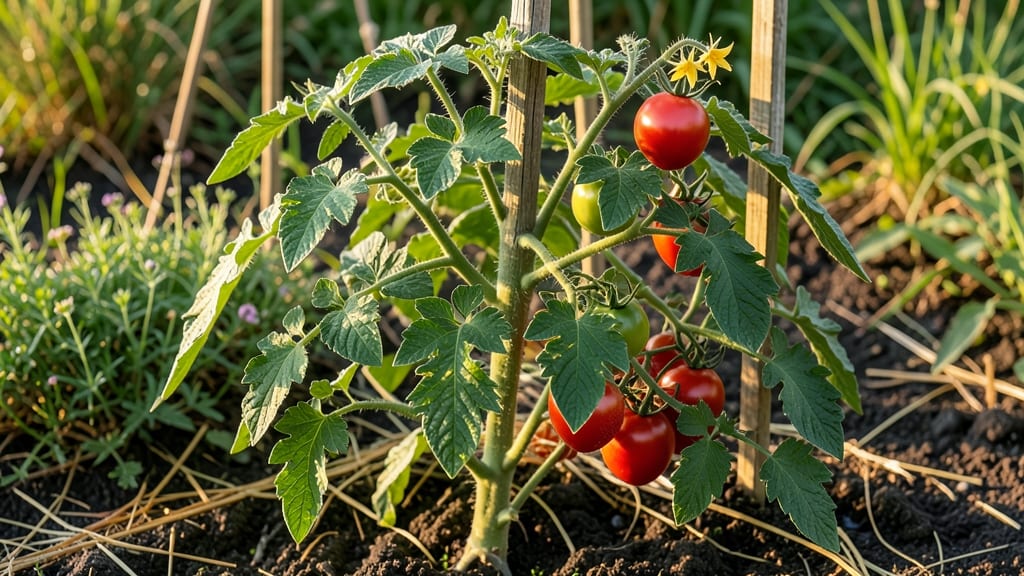
The most popular tomatoes that regrow boldly year after year are the secret weapon of patient gardeners. 🌱 I’ve grown the same reliable types for decades—they survive early frosts, bounce back from disease, and produce consistent harvests even in cooler climates.
The best ones balance flavor, productivity, and resilience, whether you’re in Zone 4 or a high-altitude garden. These varieties thrive with 6-8 hours of sun daily, well-draining soil, and proper spacing (18-36 inches apart). Prune suckers regularly, stake for support, and water at the base to prevent fungal issues.
The payoff? Heirloom-quality tomatoes that outperform store-bought plants by summer’s end. Start seeds indoors 6-8 weeks before last frost, then transplant after soil warms to 60°F. Expect 20-50 pounds per plant depending on the type—enough to share with neighbors or preserve for winter.
The right choice turns a garden from good to legendary. From disease-resistant cherry tomatoes to beefsteak giants, I’ll break down the top 10 varieties that deliver flavor and hardiness. Let’s get growing!
📚 In This Guide
- What you need
- Instructions
- Tips and common mistakes
- Wrapping up and next steps
What you need
- ● Tomato Seeds: 10–20 seeds (choose cold-hardy varieties like 'Siberian' or 'Stupice' for resilience).
- ● Seed Starting Mix: 1–2 lbs (moisture-retentive, sterile blend).
- ● Seed Trays or Pots: 4–6 small pots (3–4" diameter) or a seed tray with cells.
- ○ Grow Lights or Sunny Window: Full-spectrum LED lights (optional but helpful for early growth).
- ○ Heat Mat (Optional): 1–2 square feet (speeds up germination in cooler climates).
- ● Watering Can or Spray Bottle: Fine-mist nozzle for gentle hydration.
- ● Fertilizer: Balanced organic fertilizer (5-5-5 or compost tea).
- ● Transplant Pots: 5–6" pots (for hardening off seedlings).
- ● Garden Soil: 1–2 cubic feet (well-draining, enriched with compost).
- ● Stakes or Cages: 4–6 ft tall (for indeterminate varieties).
- ● Pruning Shears: Sharp, clean pair (for trimming suckers).
- ● Mulch: Straw or shredded leaves (to retain moisture and warmth).
- ● Climate: Start seeds indoors 6–8 weeks before last frost (even in cold zones!).
- ● Temperature: Keep soil between 70–85°F for germination (use a heat mat if needed).
- ● Sunlight: 6+ hours of direct light daily (or grow lights 12–16 hours/day).
- ● Patience: Cold-hardy varieties may take 10–14 days to sprout.
- ● pH Test Kit (ideal soil pH: 6.0–6.8).
- ● Drip Irrigation System (for consistent moisture).
- ● Row Covers (frost protection for early planting).
- ● Compost or Worm Castings (boosts soil fertility).
Step-by-step guide to growing cold-hardy tomato varieties
Here's how to cultivate the most popular cold-resistant tomato varieties that thrive in cooler climates.
🌱 Step 1: Select the Right Cold-Hardy Varieties
Choose determinate varieties like 'Stupice,' 'Glacier,' or 'Mountain Merit'—these bush types handle cooler temperatures better than indeterminate vines. I always opt for heirloom cold-hardy types because they regrow vigorously after light frosts and produce flavorful fruit even in short seasons. Check your frost dates: plant after the last frost but before mid-May in most northern zones.
Start seeds 8-10 weeks before your last frost date indoors under grow lights (a simple LED bulb works). Seedlings need 14-16 hours of light daily—without enough, they'll stretch leggy and never recover. I use biodegradable peat pots to avoid transplant shock later.
🪴 Step 2: Prepare Containers or Garden Beds
Cold-hardy tomatoes need well-draining soil with organic matter—amend garden beds with 2-3 inches of compost mixed into the top 12 inches of soil. For containers, use 6-8 gallon pots with drainage holes. Fill with a mix of 50% potting soil and 50% compost—this improves heat retention in cool climates.
Add a slow-release fertilizer (like 5-10-5) at planting time to ensure steady nutrients. I always test soil pH first—cold-hardy tomatoes prefer 6.0-6.8. If your soil is too acidic, add lime to adjust it before planting.
☀️ Step 3: Plant and Provide Protection
Transplant seedlings when they have 4-6 true leaves and night temperatures stay above 50°F. Bury stems deeper than usual—up to ⅔ of the stem—to encourage stronger root growth. This helps cold-hardy varieties establish faster in chilly soils.
Use floating row covers or cloches for the first 2-3 weeks to protect young plants from late frosts. I also place black plastic mulch around plants to warm the soil—this extends the growing season by 10-14 days. Water at the base deeply once a week (avoid overhead watering to prevent disease).
✂️ Step 4: Prune and Support for Cold Resilience
Prune suckers (the small shoots between stems and leaves) weekly to focus energy on fruit production. Cold-hardy varieties benefit from staking or cages—this prevents wind damage and improves air circulation. I use 5-foot bamboo stakes tied with soft twine to avoid stem damage.
When temperatures drop below 40°F at night, cover plants with row covers or old bedsheets secured with bricks. Remove covers during the day to prevent overheating. Harvest green tomatoes before the first frost and ripen indoors—they’ll develop full flavor even in cooler conditions.
🌿 Step 5: Extend the Season with Succession Planting
For a continuous harvest, plant new seedlings every 2 weeks until mid-July. Cold-hardy varieties like 'Cherokee Purple' handle cooler soils better than heat-loving types, so they regrow well in fall. I always save seeds from the best performers—this ensures next year’s plants are even hardier.
After the first frost, pull up remaining plants, compost them, and mark the spot. Next season, the soil will be enriched and warmer, giving your cold-hardy tomatoes an even better start. Store harvested tomatoes in a cool, dark place (like a basement) to ripen slowly.
Tips & tricks for perfect cold-hardy tomatoes
These practical insights will help you maximize your harvest with resilient tomato varieties that thrive in cooler climates.
Lighting Secret: The 14-16 hours of daily light for seedlings is non-negotiable—without it, you'll end up with weak, leggy plants that struggle to recover. I use a simple LED grow light on a timer to maintain consistency. If natural light is limited, supplement with a basic fluorescent bulb placed just 6 inches above seedlings. Watch for stems elongating too quickly (a sign of insufficient light) and adjust immediately.
Soil Preparation: The 50-50 mix of potting soil and compost isn't just about heat retention—it's about creating the perfect balance of drainage and moisture retention. For garden beds, work that compost into the top 12 inches thoroughly. I like to add a handful of worm castings too (optional but beneficial) as they introduce beneficial microbes that cold-hardy varieties particularly appreciate in cooler soils.
Transplanting Technique: Burying stems up to two-thirds deep might seem counterintuitive, but this buried stem becomes a powerhouse of new roots. Cold-hardy varieties especially benefit from this method as it helps them establish faster in chilly soils. Make a deep hole, place the seedling gently, and fill with soil up to the first set of true leaves—this gives you that extra root zone without sacrificing foliage.
Frost Protection: The black plastic mulch trick extends your season by warming soil—think of it as creating a microclimate. I've found that adding a layer of straw mulch on top of the plastic provides even better insulation during cold snaps. For nighttime protection below 40°F, old bedsheets work perfectly—just secure them well to prevent wind damage and remove them during the day to avoid overheating.
Pro Tips for Most Popular Tomatoes
- These practical insights will help you maximize your harvest with resilient tomato varieties that thrive in cooler cl...
- Lighting Secret: The 14-16 hours of daily light for seedlings is non-negotiable—without it, you'll end up with weak, ...
- Soil Preparation: The 50-50 mix of potting soil and compost isn't just about heat retention—it's about creating the p...
Frequently asked questions
Got questions about growing and using the most popular tomatoes? You’re not alone! Whether you're a first-time gardener or a seasoned green thumb, these answers will help you pick, grow, and enjoy the best varieties—especially those that thrive in cold climates and regrow boldly. Let’s dive in!
Which tomatoes are the easiest to grow for beginners?
Start with Cherry tomatoes (like 'Sweet 100' or 'Sun Gold') or Roma tomatoes—they’re forgiving, productive, and perfect for salads or sauces. For cold-hardy regrowth, try 'Solar Fire' or 'Mountain Merit'; they bounce back after frost and handle cooler temps like a champ. Pro tip: Plant in well-draining soil and give them plenty of sunlight!
Can tomatoes regrow after frost damage?
It depends! Some cold-hardy varieties (like 'Stupice' or 'Glacier') can recover if frost doesn’t kill the roots. Prune damaged leaves, mulch heavily, and wait for warmer days. If the plant looks mushy or black, it’s likely dead—but don’t worry! Regrowth often happens from the base once temps rise. Pro tip: Cover plants with frost cloth before temps drop below 28°F!
What’s the best way to store homegrown tomatoes?
Never refrigerate them—it ruins flavor and texture! Instead, store at room temp (55–75°F) in a paper bag or cardboard box for 1–2 weeks. For longer storage, freeze ripe tomatoes (peeled and chopped) or make sauces/pastas. Pro tip: Ripen unripe tomatoes by placing them in a bowl with a banana or apple (ethylene gas speeds it up!).
Are heirloom tomatoes better than hybrid varieties?
It’s a toss-up! Heirlooms (like 'Brandywine' or 'Cherokee Purple') offer unique flavors and colors but may be less disease-resistant. Hybrids (like 'Better Boy' or 'Celebrity') are often hardier and more consistent. For cold climates, hybrids like 'Cold Set' or 'Defiant PhR' are top picks—they balance taste and resilience. Pro tip: Try both to compare!
How do I revive a tomato plant that’s struggling?
First, check for pests (aphids, hornworms) or diseases (blight, wilt). Prune yellow leaves, water deeply (but not excessively), and add compost or balanced fertilizer. If roots are exposed, cover with soil. For regrowth, trim back 1/3 of the plant to redirect energy. Pro tip: Avoid overcrowding—tomatoes need space to breathe!
| Quick Fixes for Common Issues | Solution |
|---|---|
| Yellow leaves (lower first) | Check watering—too much or too little causes stress. Add mulch to retain moisture. |
| Blossom end rot | Add calcium (crushed eggshells or lime) and keep soil moist. |
| Slow growth | Move to sunnier spot or fertilize with low-nitrogen tomato food. |
Wrapping up and next steps
From heirloom beauties to cold-hardy regrowers, the most popular tomatoes offer something for every gardener and palate! 🌱 Whether you love slicing cherry tomatoes for salads, canning beefsteaks for winter, or experimenting with unique varieties like 'Black Krim,' these cold-resistant picks bring flavor and resilience to your harvest.
Ready to grow your own? Start with just one seedling—your kitchen (and taste buds) will thank you!
Pro tip: Share your favorite tomato variety in the comments—let’s grow together! 🌿