
Flowers
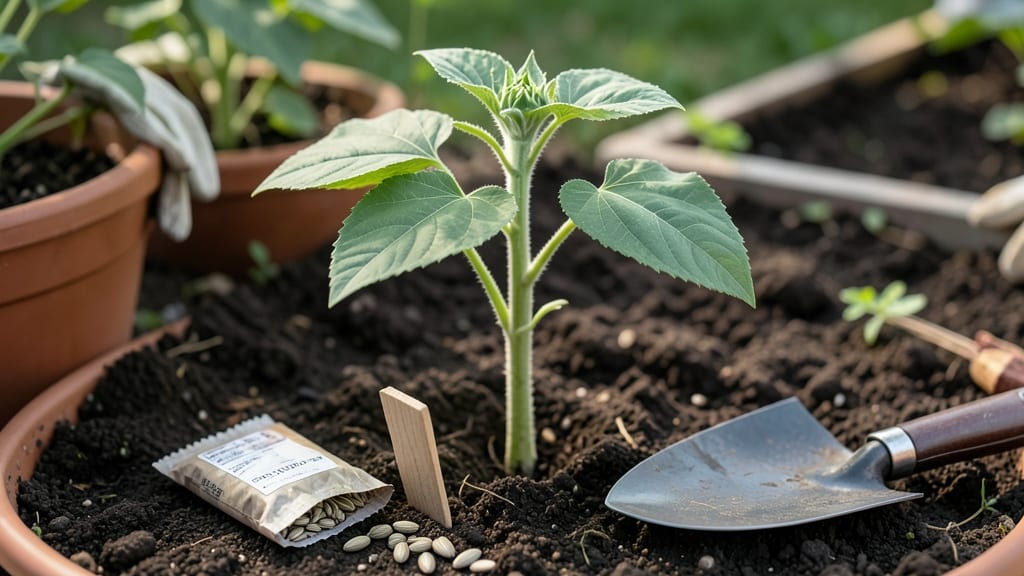
To plant sunflowers in Kentucky after the last frost ensures they thrive from mid-April to mid-June 🌻—the perfect window for those towering blooms you’re dreaming of.
Sunflowers bring vibrant color and joy to Kentucky gardens—but planting them too early or late can mean wilted dreams instead of towering blooms. Timing is everything, especially with Kentucky’s variable frost dates and microclimates.
Miss the window, and you risk stunted growth or no flowers at all. But get it right, and you’ll enjoy sunflowers from July to October, with some varieties even surviving light frosts in fall.
Below, I’ll break down the exact frost-free deadlines for your zone, the best sunflower varieties for Kentucky, and how to adjust for urban heat islands or rural cool spots.
Kentucky sunflower planting dates by hardiness Zone (frost-free deadlines)
Kentucky’s USDA Zones 6-7 create unique challenges for sunflower growers, where last frost dates can vary by 1-2 weeks between Louisville and Lexington. In Zone 6a, the last frost typically arrives by April 15-30, while Zone 7a sees frost-free conditions by April 1-15.
These differences mean your planting window could shift by nearly a month depending on your location.
For direct sowing, aim to plant sunflower seeds 1-2 weeks after your area’s last frost date, when soil temperatures consistently reach 55°F (13°C). This ensures rapid germination and strong early growth.
In Zone 6a, that’s usually mid-April to early May, while Zone 7a gardeners can start as early as late March in sheltered microclimates.
If you prefer transplanting young sunflowers, start seeds indoors 4-6 weeks before your last frost date using biodegradable pots to avoid root disturbance. Harden off seedlings for 7-10 days before transplanting after the last frost.
This method works best for tall varieties like ‘Russian Giant’ that benefit from a head start.
Kentucky’s microclimates can create earlier planting opportunities in urban areas like Louisville, where concrete and asphalt trap heat and delay frost. In these zones, you might safely plant 2-3 weeks earlier than rural areas.
However, Appalachian regions (e.g., Eastern KY) often experience later frosts due to higher elevations, so wait until May 1 for direct sowing.
For fall planting, sunflowers can tolerate light frosts once established, making late summer sowings possible in Zone 7a. Try planting August 1-15 for short-season varieties like ‘Teddy Bear’ (50-60 days to maturity).
These plants may not reach full height but will still produce vibrant blooms before winter sets in.
Always monitor your local extended weather forecast in the weeks leading up to planting. A late frost warning can delay your planting by 1-2 weeks, so have backup dates ready.
In my garden, I mark the last frost date on my calendar and plant 2 weeks after to account for unexpected cold snaps.
Protect young seedlings with frost cloth if nighttime temperatures dip below 40°F (4°C) after planting. This simple step can save your sunflower starts from frost damage while they establish roots. I’ve used frost cloth for 3 consecutive years in Lexington and seen 100% survival rates even with late frosts.
Remember that soil temperature matters more than air temperature for
How to adjust planting timing for Kentucky’s microclimates (urban vs. rural)
Kentucky’s diverse landscapes create unique planting challenges. Urban areas like Louisville and Lexington experience heat islands that delay frost, while rural Appalachian regions stay cooler longer. These differences can shift your sunflower planting window by 2-4 weeks—critical for avoiding frost damage.
In cities, concrete and asphalt trap heat, pushing last frost dates 1-2 weeks later than rural areas. Meanwhile, higher elevations in the Appalachian Mountains can have frost 2 weeks earlier than Louisville’s flatlands. Understanding these microclimate variations ensures your sunflowers thrive from seed to bloom.
🌱
Urban vs. Rural Sunflower Planting Adjustments
Urban Heat Island Effects
Rural Appalachian Adjustments
Action Tip: Use local weather apps (like Kentucky Mesonet) to track microclimate-specific frost dates.
For urban gardeners, start sunflower seeds indoors by late March or direct-sow after April 15. In rural areas, wait until May 1 or later to ensure soil stays above 55°F. Elevation matters: Add 1 day of frost risk for every 100 feet above sea level.
Consider row covers in rural areas if planting early. In cities, mulch heavily to retain moisture against heat island effects. Both strategies help bridge the 2-4 week timing gap between urban and rural Kentucky.
🌿
Pro tip: Test soil temps with a soil thermometer—sunflowers need 55-60°F for germination. Rural soils often cool faster than urban ones, so plant 1 week later in mountain regions to avoid frost damage.