
Flowers
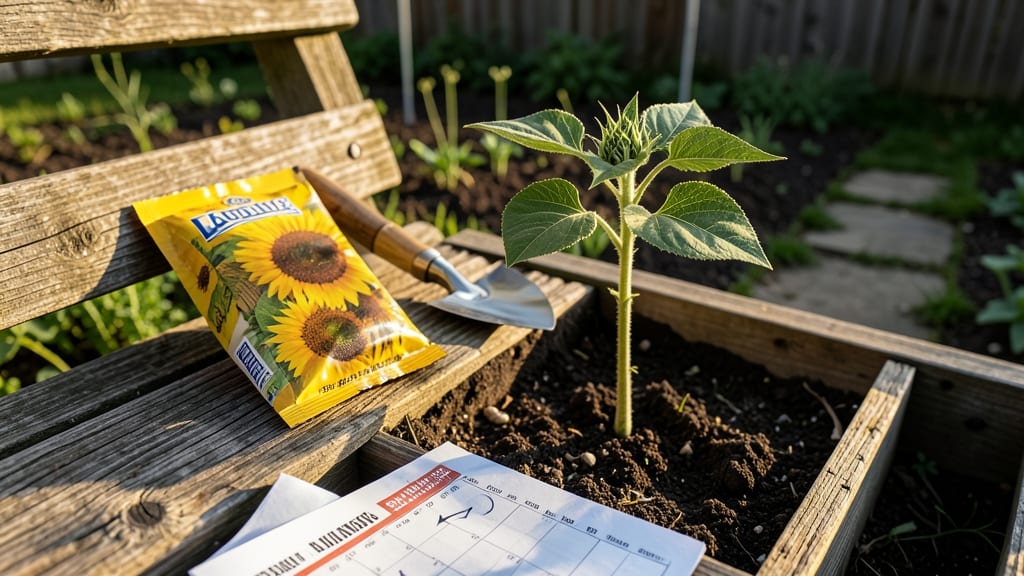
Planting sunflowers in Kansas after the last frost date gives them the long, hot summer they need to reach their full 10-foot-tall glory.
Sunflowers aren’t just cheerful faces in fields—they’re Kansas’ golden opportunity for dramatic height, vibrant blooms, and pollinator-friendly gardens. But timing is everything: plant too early and frost will nip tender sprouts; too late and you’ll miss the towering summer spectacle.
With Kansas’ USDA Zones 5b-7a and last frost dates ranging from mid-April to late April, you’ve got a narrow window to get seeds in the ground. Skip this step, and your sunflowers might bolt too fast or struggle in the heat.
Below, I’ll break down the exact planting dates by zone, soil prep secrets for Kansas’ clay-heavy soil, and the best drought-resistant varieties for western Kansas’ dry spells.
Kansas sunflower planting deadlines by hardiness Zone (5-7) for maximum height
Kansas’ USDA Zones 5-7 create a perfect stage for sunflowers to reach their 6-12-foot glory—but timing is everything. Plant too early, and frost will stunt growth or kill seedlings. Too late, and you’ll miss the summer height surge that defines Kansas’ iconic sunflower fields.
Let’s break down the zone-specific deadlines to ensure your sunflowers tower over your fence by July.
In Zone 5b (northeastern Kansas), the last frost date typically falls between April 15-30. This means your ideal planting window opens on May 1 and closes by May 15 for maximum height.
Warmer microclimates, like Kansas City, may allow late April planting, but soil temperatures must stay above 55°F for germination.
For Zone 6a (central Kansas), including Wichita, the last frost date shifts to April 1-15. This gives gardeners a 2-week head start over Zone 5. Plant between April 15-May 1 to ensure 6-12-foot stalks by summer’s end.
Soil temperatures here warm faster, so early April sowing is risky unless you use row covers.
In Zone 7a (southwestern Kansas), the last frost date arrives even earlier—March 15-April 1. This extends your planting window to March 30-June 1, but soil temperature is critical.
Wait until the ground reaches 60°F (around April 15) for reliable germination. Late plantings in June may still yield 4-6-foot sunflowers, but they’ll bloom later.
Microclimates play a huge role in Kansas. For example, Kansas City’s urban heat island can push last frost dates 1-2 weeks earlier than rural areas. If you’re in a warmer pocket, test soil temperatures with a soil thermometer—aim for 60°F+ before planting.
In western Kansas, where drought is common, prioritize early May plantings to avoid summer moisture stress.
Don’t forget: Sunflowers grow fastest when nights stay above 60°F. In Zone 5, this typically means waiting until late May for optimal height. Use black plastic mulch to warm soil faster if you’re eager to plant early.
For Zone 7 gardeners, you can even try late March sowings under row covers for a jumpstart.
Pro tip: Stagger your plantings every 2 weeks to extend the bloom season. This works especially well in Zone 6-7, where you can have sunflowers in full bloom from July to October.
Just adjust spacing—closer plantings (6 inches apart) yield shorter, bushier sunflowers, while spaced 24 inches apart produces taller stalks for cutting or bird feeders.
Watch for Kansas’ unpredictable weather. A late frost in May can devastate early plantings, while drought conditions in June-July may stunt growth. Choose drought-tolerant varieties like ‘ProCut’ or ‘Autumn Beauty’ for western Kansas, where rainfall is scarce.
In eastern Kansas, where humidity is higher, opt for ‘Russian Giant’ or ‘Moulin Rouge’ for bold, disease-resistant blooms.
Remember: Sunflowers need full sun (6-8+ hours daily) to reach their maximum height. If
How to adjust sunflower planting time for Kansas weather extremes (drought, heatwaves, hail)
Kansas’ weather throws curveballs—sudden droughts, scorching heatwaves, and unpredictable hail can sabotage your sunflower dreams. The key? Flexible timing and smart variety choices to outsmart Mother Nature. I’ve learned that staggered planting and protective measures can turn Kansas’ extremes into opportunities for longer bloom seasons.
First, consider drought-resistant varieties like ‘Moulin Rouge’, which thrives in dry conditions. These sunflowers are heat-tolerant and can handle Kansas’ summer temperatures better than standard varieties. Pair them with deep watering schedules—once established, they need less frequent watering but deep soaks to develop strong roots.
For hail-prone areas (like western Kansas), I recommend raised beds or row covers to shield young plants. Even tall varieties like ‘Russian Giant’ can benefit from protective netting during storms.
The trade-off? Slightly delayed planting to avoid early-season hail, but the payoff is healthier, taller stems that stand up to Kansas’ storms.
Extends bloom season by 4-6 weeks with 2-3 plantings spaced 2 weeks apart. Ideal for Zone 5-7 Kansas.
‘Moulin Rouge’ and ‘Autumn Beauty’ need 30% less water than standard types.
Protects from hail and strong winds; warms soil faster for earlier planting.
July-August sowings yield fall blooms when bees need nectar most.
If you’re in eastern Kansas (like Zone 6-7), you can push the envelope with late July plantings for fall color. These short-season sunflowers (like ‘Teddy Bear’) mature in 50-60 days, giving you golden blooms just before frost.
The trick? Use black plastic mulch to warm the soil and suppress weeds.
For western Kansas, where drought and hail are more frequent, I’ve had success with ‘ProCut’ sunflowers. They’re disease-resistant and quick-maturing (ready in 70 days), so they bolt to seed before Kansas’ early freezes. Pair them with drip irrigation to conserve water and keep roots moist.
Remember: Kansas sunflowers aren’t just about beauty—they’re about resilience. With the right timing tweaks and protective strategies, you can turn drought, heat, and hail into opportunities for longer seasons and hardier plants. Start small, experiment with varieties, and watch your sunflowers thrive despite the weather. 🌻