
Companion Plants
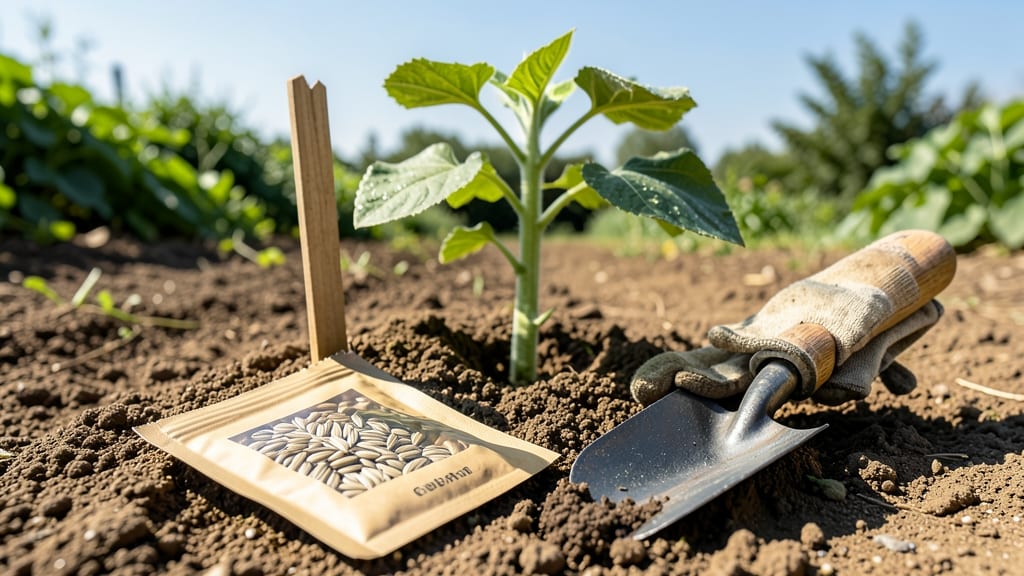
Planting sunflower seeds in Pennsylvania at the right time means the difference between towering 🌻 blooms and sad, stunted sprouts that never take off.
Sunflowers bring vibrant color and joy to Pennsylvania gardens—but planting them at the wrong time can mean wilted dreams before they bloom. Timing is everything, and soil temperature plays a critical role in ensuring your sunflower seeds sprout strong and healthy.
Most gardeners in PA’s 5b-7a zones wait until after the last frost, which typically lands in mid-April, but rushing too soon can leave seeds vulnerable to cold soil.
The key is waiting until the ground reaches at least 60°F, when roots can establish quickly and seedlings avoid the dreaded "damping off" fungus.
Below, I’ll walk you through the exact window for your region, how to check soil temperature without a fancy thermometer, and the best varieties for Pennsylvania’s short but sweet growing season.
Best planting time for sunflowers in Pennsylvania based on soil temperature
Sunflowers thrive when planted at the right time, and Pennsylvania's varied climate means timing matters more than you might think. The ideal soil temperature for sunflower seeds to germinate is between 60-85°F. Too cold, and they’ll sit dormant; too hot, and they may dry out before sprouting.
Since Pennsylvania spans USDA Zones 5-7, your local conditions play a huge role in when you should plant.
Unlike many plants, sunflowers don’t need to be started indoors—they germinate quickly when soil is warm enough. This makes them perfect for direct sowing after your last frost date.
In most of Pennsylvania, that window opens around mid-April to mid-May, but soil temperature is the real deciding factor, not just the calendar.
How to check soil temperature? Use a soil thermometer (available at garden centers for under $10). Stick it 1-2 inches deep—where your seeds will go—and wait 10 minutes for an accurate reading. If it’s below 60°F, wait a few days. If it’s above 85°F, consider planting in the late afternoon to avoid heat stress.
Pennsylvania’s climate varies dramatically from Philadelphia’s Zone 7a (warmer, longer growing season) to Pittsburgh’s Zone 6b (cooler, shorter season). In cooler northern regions like Erie, you might not hit ideal soil temps until late May, while southern areas like Lancaster could be ready as early as early April.
Always plant after the average last frost date—typically April 15 statewide, but check your local Almanac for precision.
| Region | USDA Zone | Ideal Planting Window | Soil Temp for Germination | Last Frost Date |
|---|---|---|---|---|
| Philadelphia | 7a | Mid-April to early May | 60-85°F | April 10-15 |
| Pittsburgh | 6b | Late April to mid-May | 60-85°F | April 20-May 5 |
| Erie | 6a | Late May to early June | 65-80°F | May 10-20 |
| State College | 6b | Late April to early May | 60-85°F | April 25-May 10 |
| Lancaster | 7a | Early April to mid-May | 60-85°F | April 5-15 |
If you’re eager to start early, you can plant sunflower seeds in March in southern Pennsylvania, but only if your soil is workable and you’re using row covers to protect tender seedlings.
In cooler zones, wait until after the last frost—planting too early risks frost damage or seeds rotting in cold, wet soil. A general rule: wait until soil is at least 60°F and nighttime temps stay above 50°F consistently.
For late-season sunflowers, you can even plant in early July in most of Pennsylvania. This works well for short-season varieties like 'Teddy Bear' or 'Moulin Rouge,' which mature quickly.
Just ensure you have at least 50-70 days of warm weather left in your area. Check your first frost date (usually mid-October) and count backward to plan.
Pro tip: Black plastic mulch can warm soil faster, helping you plant earlier in cooler regions. Lay it down a week before planting to raise soil temps by 5-10°F.
This is especially useful in Zone 5-6 areas where spring soil warms slowly. Just remove the mulch once plants are established to avoid overheating roots.
Remember, sunflowers are fast growers—some varieties sprout in just 7-10 days when conditions are right. But rushing the process by planting in cold soil can lead to poor germination or leggy, weak seedlings.
When in doubt, wait for warm soil—your sunflowers will thank you with taller stems and bigger blooms.
Once your seeds sprout, keep the soil consistently moist (not soggy) until they’re 4-6 inches tall. After that, they’re drought-tolerant and can handle Pennsylvania’s occasional dry spells. With the right timing, you’ll be enjoying vibrant sunflowers from July through October—just in time for fall harvests and cheerful garden photos.
How to prepare your Pennsylvania garden for sunflower seeds: soil & spacing tips
Sunflowers thrive in Pennsylvania’s diverse climate when planted in well-prepared soil with proper spacing. The right soil conditions and adequate room to grow are critical for avoiding common pitfalls like stunted growth or disease.
Start by choosing a sunny location with at least 6-8 hours of sunlight daily—this is non-negotiable for sunflowers to reach their full height and vibrant bloom.
Before planting, test your soil’s drainage and pH levels. Sunflowers prefer a slightly acidic to neutral pH between 6.0 and 7.5. If your soil is heavy clay or compacted, mix in compost or sand to improve aeration.
Poor drainage can lead to root rot, especially in Pennsylvania’s humid summers. A simple percolation test (dig a hole, fill with water, and measure how quickly it drains) will reveal if amendments are needed.
✅ DO for Sunflower Success in PA
- 🌱 Test soil pH (6.0-7.5) before planting
- ☀️ Plant in full sun (6+ hours daily)
- 💧 Water deeply at base (avoid wetting leaves)
- 🌿 Space 12-24" apart (depends on variety)
❌ DON'T Make These Mistakes
- ❄️ Plant too early (wait until soil is 60°F+)
- 🌧️ Overcrowd seedlings (leads to weak stems)
- 🪴 Use poor soil (amend with compost if needed)
- 💦 Water leaves (promotes fungal diseases)
Spacing is another critical factor for sunflower success. Plant seeds 1 inch deep and 6 inches apart initially, but thin seedlings to 12-24 inches apart as they grow—taller varieties like 'Russian Giant' need more room, while dwarf types like 'Teddy Bear' can be spaced closer.
Overcrowding leads to competition for nutrients and increases the risk of powdery mildew, a common issue in Pennsylvania’s humid summers.
Consider companion planting to maximize your sunflower garden’s potential. Pair sunflowers with bush beans or corn to improve soil nitrogen, or plant them near basil or marigolds to deter pests like aphids. Avoid planting near potatoes, as they compete for the same nutrients.
In Pennsylvania’s microclimates, southern exposures (like those in Philadelphia) may allow for slightly earlier planting, while northern areas (like Erie) benefit from waiting until after the last frost.
After planting, mulch around the base with straw or wood chips to retain moisture and suppress weeds. Sunflowers are drought-tolerant once established, but consistent moisture during the first 4-6 weeks ensures strong root development.
In Pennsylvania’s variable weather, keep an eye on forecasts—sudden rain can compact soil, while prolonged dry spells may require supplemental watering.
Finally, monitor your sunflowers for signs of stress, such as yellowing leaves (indicating overwatering or poor drainage) or drooping stems (a sign of underwatering). Adjust your care routine accordingly, and soon you’ll be rewarded with towering stems and cheerful blooms that brighten Pennsylvania’s gardens from summer to fall.