
Flowers
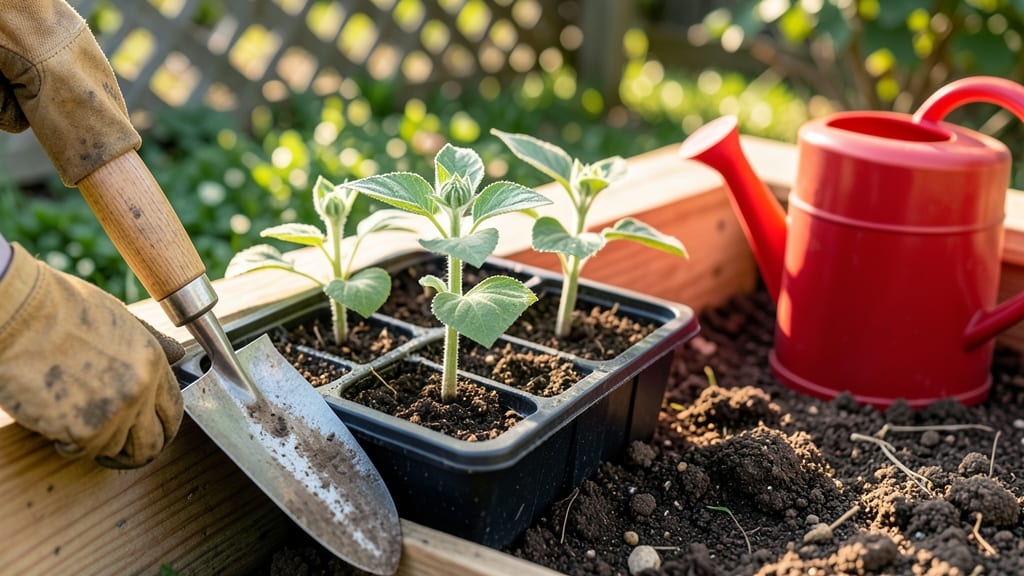
Planting sunflowers in Kentucky after the last frost date—typically mid-April to early June—sets the stage for tall, vibrant blooms that thrive in USDA Zones 6-7.
Sunflowers bring vibrant color and effortless beauty to Kentucky gardens—but planting them at the wrong time can mean stunted growth or missed blooms. Timing is everything, especially in Zones 6-7 where frost dates shift yearly.
Whether you’re growing dwarf varieties for containers or towering giants for cut flowers, the key is matching your planting window to your local frost risk. Too early, and a late freeze will wipe out seedlings; too late, and the heat arrives before the flowers form.
Below, I’ll break down the exact frost-free dates for your zone, the best sunflower types for Kentucky’s climate, and how to adjust for unpredictable weather—so you’re ready to plant with confidence.
Kentucky sunflower planting dates by USDA Zone (6-7) with frost risk
Kentucky's USDA Zones 6-7 offer perfect conditions for growing sunflowers, but timing your planting is critical to avoid late spring frosts that can devastate young seedlings. The average last frost date in Zone 6a ranges from April 15-20, while Zone 7a sees it slightly earlier, around April 1-10.
These dates mark your starting point, but soil temperature plays an equally important role.
Sunflower seeds won't germinate until soil reaches 55-60°F. In Kentucky's cooler northern areas (Zone 6), wait until soil warms to 60°F consistently—typically mid-to-late April. Southern Zone 7 areas can plant as early as early April if using black plastic mulch to warm the soil faster.
Always test soil temperature with a soil thermometer rather than guessing.
| Zone | Last Frost Date | Ideal Planting Window | Soil Temp Requirement | Transplant Window |
|---|---|---|---|---|
| Zone 6a | April 15-20 | Mid-April to May 15 | 60°F+ consistently | May 1-15 (after soil warms) |
| Zone 6b | April 10-15 | Late March to May 10 | 55°F+ consistently | April 20-May 10 |
| Zone 7a | April 1-10 | Early March to May 5 | 55°F+ consistently | April 1-May 5 |
| Zone 7b | March 25-April 5 | Late February to April 20 | 50°F+ consistently | March 20-April 15 |
🌱 Note: Use row covers for early plantings to protect against late frosts
For direct sowing (planting seeds directly in the garden), aim for 2-4 weeks after your average last frost date. This gives young plants time to establish roots before summer heat arrives.
In Zone 6a, this typically means planting between May 1-15, while Zone 7b gardeners can start as early as late March in protected microclimates.
If you prefer transplanting (starting seeds indoors), begin seeds 4-6 weeks before your last frost date. For Zone 6, this means starting seeds indoors around March 15-30.
Use biodegradable pots to avoid disturbing roots when transplanting. Harden off seedlings by placing them outdoors for 2-3 hours daily starting 1 week before transplanting.
Kentucky's late spring frosts are unpredictable—even after the average last frost date. Monitor the National Weather Service for frost warnings and have row covers or cloches ready.
In my Zone 6b garden, I've seen frost occur as late as May 5 in some years, so I always plant succession crops every 2 weeks through early June for continuous blooms.
For late-season varieties, you can make a second planting in early July to enjoy fall blooms before the first frost (typically October 15-30). Choose short-day varieties like 'Autumn Beauty' that respond well to shorter daylight hours.
These sunflowers will mature just in time for October harvests before winter sets in.
Soil preparation is just as important as timing. Sunflowers thrive in well-draining soil with a pH of 6.0-7.0. Work in 2-3 inches of compost before planting to provide nutrients. In Kentucky's clay-heavy soils, add sand or perlite to improve drainage.
I always test my soil in early spring—my Zone 6a garden showed 6.5 pH, perfect for sunflowers.
Remember that microclimates within Kentucky can shift planting dates
How to adjust sunflower planting for Kentucky’s unpredictable weather
Kentucky’s weather can be as unpredictable as a summer thunderstorm—one day it’s warm enough to plant, and the next, frost threatens to ruin your progress. Sunflowers, while hardy, need consistent warmth to thrive, so adapting your planting strategy is key.
I’ve learned the hard way that late frosts and sudden heatwaves can turn your sunflower dreams into stunted stalks if you’re not prepared.
First, understand that Kentucky’s USDA Zones 6-7 experience late spring frosts well into April, while summer heatwaves can arrive unexpectedly. The solution? A multi-pronged approach that includes soil warming, succession planting, and choosing the right varieties for your microclimate. Let’s break down how to outsmart Mother Nature’s whims.
🌱 5 Pro Tips for Kentucky Sunflower Success
- 1. Warm Your Soil: Use black plastic mulch or clear plastic tunnels 2 weeks before planting to raise soil temps by 10-15°F. This gives early seedlings a head start against late frosts.
- 2. Plant in Stages: Start with early-maturing varieties in late April, then add mid-season types in early May. This extends your bloom time and reduces frost risk.
- 3. Choose Heat-Tolerant Varieties: Opt for 'Autumn Beauty' or 'Moulin Rouge'—both handle Kentucky’s 90°F+ heatwaves better than standard types.
- 4. Protect Young Plants: Use row covers or cloche tunnels for the first 2 weeks after planting to shield seedlings from unexpected 40°F drops.
- 5. Monitor Microclimates: South-facing slopes warm faster than low-lying areas. Plant heat-sensitive varieties in cooler microclimates (like north sides of buildings) and heat-lovers in full sun.
Don’t let Kentucky’s unpredictable frost dates derail your sunflower plans. I’ve found that succession planting every 2 weeks from late April through early June creates a continuous display of blooms.
Start with early varieties like 'Teddy Bear' (50-60 days to maturity) for quick color, then follow with taller varieties like 'Russian Giant' (100+ days) for dramatic height.
Another trick I swear by is soil warming. Spread black landscape fabric over garden beds 1-2 weeks before planting to absorb sunlight and raise soil temperatures.
This can shave 10-14 days off your growing season, giving seedlings a crucial advantage. Just remember to remove the fabric once plants emerge to prevent overheating.
For gardeners in Zone 6a (northern Kentucky), consider a greenhouse or cold frame for starting seeds indoors in early March. Transplant hardened-off seedlings outdoors after your average last frost date (around May 1 in most areas). This gives you a 4-6 week head start on direct-sown plants.
Finally, don’t overlook drought-tolerant varieties like 'ProCut' or 'Energy'—they thrive in Kentucky’s summer dry spells without wilting. Pair them with deep watering (1-2 gallons per plant weekly) during germination and flowering for best results. With these adjustments, you’ll turn Kentucky’s weather chaos into sunflower success!