
Plants
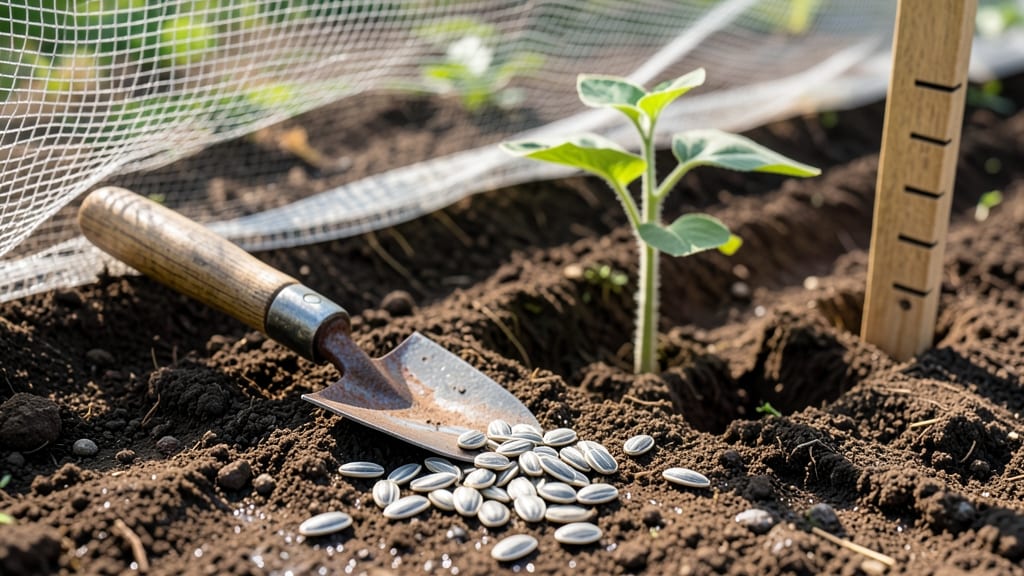
Planting sunflower seeds in Virginia means timing them just right to beat the frost and unlock those towering 🌻 blooms by summer.
Here’s the catch: rush it, and a late frost will turn your seedlings into sad, brown snacks. Wait too long, and you’ll miss the golden summer when pollinators buzz around your garden.
The sweet spot? Mid-April to early May for most of Virginia’s 7a-8a zones, but local frost dates can shift that window by weeks.
You don’t need a degree in meteorology—just a soil thermometer and a quick check of your region’s last frost averages. We’ll break down the exact dates for Tidewater, Piedmont, and the mountains, plus how to prep your soil so those seeds sprout like clockwork.
By the end, you’ll know not just when to plant, but how to give your sunflowers the best shot at reaching 10 feet tall—or taller—with minimal fuss. Let’s get those seeds in the ground the right way.
Virginia’s frost-free planting window for sunflowers: exact dates by region
Sunflowers love Virginia’s warm springs and summers, but getting them in the ground at the right time is key to avoiding frost damage and maximizing those towering blooms. The last average frost date across Virginia’s USDA zones 6-8 typically falls between mid-April and early May, but regional differences matter.
For example, the Tidewater region (Zone 8a) can plant a full week earlier than the Piedmont (Zone 7a), where late frosts linger longer.
Sunflowers thrive when soil temperatures reach at least 55°F (13°C), which usually happens by late April in most areas. Planting too early means risking seedling death from frost, while waiting too long may result in shorter stems and fewer blooms.
To pinpoint your exact window, check the Virginia State Climate Office or your local Cooperative Extension Service for real-time frost data.
Here’s a quick reference for Virginia’s three main regions, including soil temperature thresholds and ideal planting windows:
For Tidewater gardens, you can even start sowing directly outdoors in mid-March if you’re using a row cover to protect seedlings. In the Piedmont and Mountains, wait until the soil is consistently warm—use a soil thermometer to confirm it’s above 55°F (13°C) before planting.
If you’re unsure, err on the side of waiting; sunflowers are resilient and will bounce back if planted slightly late.
Sunflowers also tolerate light frosts once they’re established (about 3–4 weeks after germination), but seedlings are far more vulnerable. If you’re eager to plant early, consider starting seeds indoors 2–3 weeks before your last frost date and transplanting them outdoors after the danger of frost has passed.
This gives you a head start on the growing season and ensures taller, more robust plants by summer.
Pro tip: Pair your sunflower planting with warm-season companions like beans, corn, or marigolds to maximize your garden’s productivity. These plants thrive in the same conditions and can even improve soil health for your sunflowers. Just avoid planting near potatoes or fennel, which can stunt their growth.
Once your sunflowers are in the ground, they’ll grow 1–2 inches per day under ideal conditions, reaching their full height in just 8–12 weeks. To encourage strong stems and vibrant blooms, ensure they get 6–8 hours of full sun daily and well-draining soil.
Amend heavy clay soil with compost to improve drainage, especially in low-lying areas where water pools after rain.
If you miss the spring window, don’t worry—you can still plant sunflower seeds in late June or early July for a fall harvest. These late-season sunflowers will be shorter but still produce stunning blooms that attract bees and birds.
Just choose fast-maturing varieties (like ‘Autumn Beauty’ or ‘ProCut Hybrid’) to ensure they bloom before the first frost in mid-October.
Keep an eye on your local extended weather forecast in the weeks leading up to planting. A sudden cold snap can delay your planting window, but sunflowers are forgiving. With the right timing and care, you’ll be rewarded with sun-drenched blooms that turn heads all summer long. 🌻
How to extend your sunflower season: direct sowing vs. starter plants for Virginia gardens
Virginia’s warm summers and long growing season make sunflowers a perfect addition to any garden, but choosing between direct sowing and starter plants can be tricky.
For most gardeners here, direct sowing is the best approach—sunflowers thrive when planted in warm soil, and they’re tough enough to handle Virginia’s occasional late frosts. However, starter plants can give you a head start in cooler regions like the Piedmont or Shenandoah Valley.
Let’s break down the pros and cons to help you decide.
Sunflowers love loamy, well-draining soil with a pH of 6.0–7.5, which is common across Virginia’s USDA zones 7a–8a. Whether you’re sowing seeds directly or transplanting starters, prepare your soil by mixing in compost and ensuring good drainage.
If your soil is heavy clay, consider amending it with sand or peat moss to prevent waterlogging, which can stunt growth or cause root rot.
Here’s the key difference: Direct sowing is simpler and more cost-effective, while transplanting starters can extend your season slightly but requires more care. For Virginia’s climate, direct sowing is often the winner—especially if you’re growing tall varieties like ‘Russian Giant’ or ‘Mammoth’, which need strong roots to support their height.
Direct Sowing vs. Starter Plants for Sunflowers in Virginia
- Pros:
- Hardier seedlings (less transplant shock)
- Lower cost (no need to buy starters)
- Better for tall varieties (stronger root systems)
- Easier to space correctly from the start
- Cons:
- Slower to establish (wait for soil to warm)
- Risk of frost damage if planted too early
- May require thinning seedlings
- Pros:
- Faster growth (earlier blooms)
- Easier to manage spacing
- Good for cooler microclimates (e.g., mountain regions)
- Less risk of frost damage if hardened off properly
- Cons:
- Higher cost (purchasing starters)
- Transplant shock can weaken plants
- Limited variety selection at nurseries
- Requires careful hardening off
For Virginia, direct sowing is ideal for most gardeners, but starters can be useful in cooler areas or for extending the season slightly.
If you choose direct sowing, plant seeds 1–2 inches deep and 6 inches apart in rows spaced 12–24 inches apart, depending on the variety. Thin seedlings to 12–24 inches apart once they’re 4–6 inches tall to give them room to grow.
For starter plants, harden them off for 7–10 days before transplanting after the last frost date (typically mid-April in most of Virginia). Use row covers or cold frames to protect young plants from unexpected late frosts, especially in higher elevations.
For both methods, water deeply after planting to settle the soil and encourage root growth. Sunflowers are drought-tolerant once established, but consistent moisture is critical during germination and early growth.
Mulch around the base with straw or shredded leaves to retain moisture and suppress weeds, which is especially helpful in Virginia’s humid summers.
No matter which method you choose, sunflowers will reward you with stunning blooms that attract pollinators and add height to your garden. With the right timing and care, you can enjoy tall, vibrant sunflowers from late summer through fall, even in Virginia’s variable climate. Happy planting! 🌻