
Plants
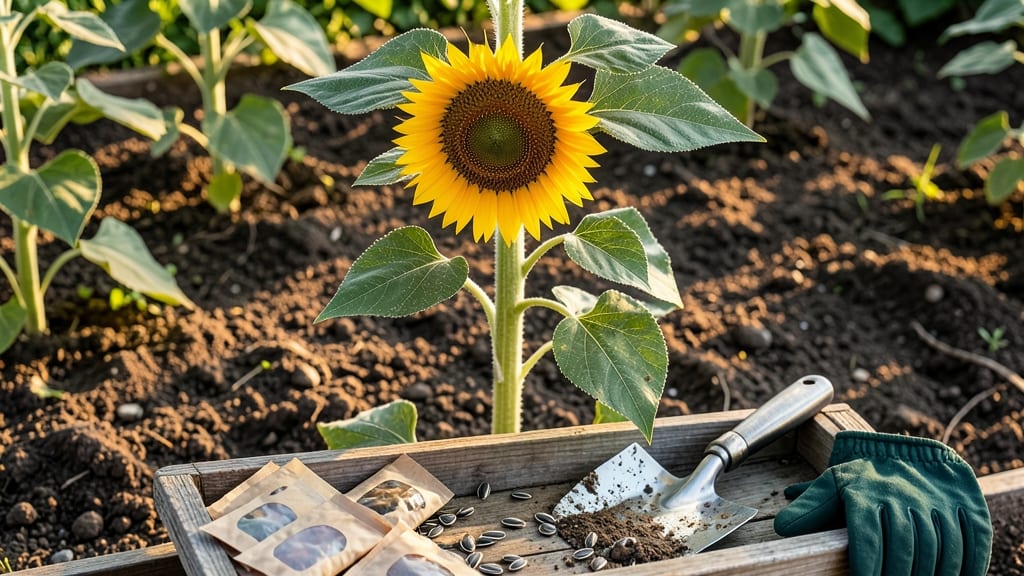
Plant sunflower seeds in Tennessee between mid-April and early June after the last frost, when soil temperatures warm to at least 50°F 🌻 — this 6-week window is your best shot at towering blooms before summer heat sets in.
If you’ve ever watched your seedlings shrivel under a late frost or bolt into skinny stalks from sweltering July heat, you know timing matters more than most gardeners realize.
Tennessee’s USDA Zones 6a-7b add another layer: East Tennessee’s cooler springs mean you can start slightly earlier, while West Tennessee’s longer growing season lets you push into late June for second crops.
Sunflowers are annuals in this region, so you’ll get just one harvest per season unless you play the succession game. The key is matching your variety to the window — dwarf types like ‘Teddy Bear’ thrive in early plantings, while heat-tolerant ‘ProCut’ can handle July starts when soil stays moist.
Below, I’ll walk you through the exact frost-free math, soil prep secrets, and how to stretch your season with cold frames or shade cloth — because even Tennessee’s 180 frost-free days can feel short when you’re chasing those 12-foot giants.
Tennessee’s frost-free window for sunflower planting: month-by-month breakdown
Tennessee’s USDA Zones 6-7 offer a 180-day frost-free window, but sunflowers need that window to be at least 90 days to mature fully. The key is planting after your last spring frost, typically between mid-April and early June.
East Tennessee (Zone 6) tends to have 2-3 weeks earlier frost dates than West Tennessee (Zone 7), so adjust your timing accordingly.
Sunflower seeds germinate best in soil temperatures above 55°F (13°C). In Tennessee, this usually aligns with late April to early May for most regions. However, soil warms faster in West Tennessee due to lower elevation, allowing earlier planting in areas like Memphis or Nashville compared to the Appalachian foothills.
To pinpoint your exact frost dates, check the NOAA Frost Calendar or your local Cooperative Extension Service website. For example, Chattanooga’s last frost is around April 15, while Knoxville’s is closer to April 20.
These dates create your 4-6 week planting window before summer heat stress becomes a factor.
⚠️ Critical Note: Planting too early risks frost damage to young seedlings, while planting too late may result in stunted growth from Tennessee’s humid summer heat. Aim for a 60-day window between planting and your first fall frost (typically mid-October).
| Region | Last Frost Date | Optimal Planting Window | First Frost Risk | Key Variety Tip |
|---|---|---|---|---|
| East TN (Zone 6a) | April 15-20 | April 25 - May 10 | October 10-15 | Early varieties like 'Autumn Beauty' |
| Middle TN (Zone 6b) | April 10-15 | April 20 - May 5 | October 15-20 | Medium-height 'ProCut' for cut flowers |
| West TN (Zone 7a) | March 25 - April 5 | April 10 - April 25 | October 20-25 | Heat-tolerant 'Mammoth' varieties |
| All Regions | N/A | July 1-15 (late varieties) | Minimal | Dwarf 'Teddy Bear' for containers |
🌱 Pro Tip: Use black plastic mulch to warm soil faster in early spring plantings.
For East Tennessee gardeners, focus on early-maturing varieties like 'Autumn Beauty' (60-65 days to maturity). These handle the shorter growing season while still producing 3-5 foot tall blooms. Plant these April 25-May 10 for maximum bloom time before frost.
In West Tennessee, where summers are hotter and longer, you can extend planting into early July for late-season varieties. Choose heat-tolerant types like 'Mammoth' or 'Russian Giant' that thrive in 90°F+ temperatures.
These varieties can handle up to 120 days to maturity, making them ideal for July 1-15 plantings.
Always test your soil temperature before planting—use a soil thermometer to confirm it’s above 55°F (13°C). Cold soil delays germination and can lead to damping off, a fungal disease that kills young seedlings.
If your soil is too cold, consider starting seeds indoors 2-3 weeks before your target outdoor date.
Remember that sunflowers are annuals in Tennessee, meaning they complete their life cycle in one season. This makes them perfect for succession planting—sow new seeds every 2-3 weeks from April through July to enjoy blooms all summer long.
Just be sure to space your plantings to avoid overcrowding as they mature.
Finally, keep an eye on local weather forecasts in late summer. Tennessee’s humid heat waves can stress sunflowers, so mulch heavily and water deeply during dry spells. With the right timing, you’ll enjoy sunflowers from July through October, providing both beauty and birdseed for your feathered friends. 🌻
Best sunflower varieties for Tennessee gardens & their ideal planting times
Tennessee’s climate—with its humid summers and variable frost dates—demands sunflower varieties that thrive in heat and resist fungal diseases. The right variety and timing can transform your garden into a towering, pollinator-friendly paradise.
Whether you crave giant blooms or compact cut flowers, these top picks align with Tennessee’s USDA Zones 6a-7b and local growing conditions.
For early spring planting (March-April), opt for disease-resistant varieties like Mammoth or Autumn Beauty, which tolerate Tennessee’s damp soils. If you’re planting in late May-June, shorter varieties like Teddy Bear or ProCut excel in the late-summer heat and produce blooms before frost arrives.
Each variety has a unique frost-free window—here’s how to match them to your timeline.
If you’re in East Tennessee (Zone 6a), prioritize early planting (March-April) for varieties like Mammoth or Autumn Beauty, which need the longest frost-free window to mature.
In West Tennessee (Zone 7b), you can push planting to late May for heat-loving types like ProCut or Teddy Bear, which handle the region’s hotter summers better.
For container gardening or small spaces, Teddy Bear or ProCut are ideal—they stay under 6 feet and bloom faster than towering varieties. Just ensure your containers have drainage holes to prevent Tennessee’s humidity-related root rot.
Always plant seeds 1 inch deep and 6 inches apart, then thin to 12-24 inches for optimal air circulation.
Pro tip: Use black plastic mulch in early spring to warm the soil and extend your planting window by 2-3 weeks. This is especially helpful in Zone 6a, where late frosts can delay germination.
Pair your sunflowers with companion plants like basil or marigolds to deter pests and boost growth.
With the right variety and timing, your Tennessee sunflowers will thrive until October, attracting bees, birds, and even squirrels—plus, you’ll enjoy months of golden cheer. Start planning now, and your garden will be the talk of the neighborhood! 🌻