
Flowers
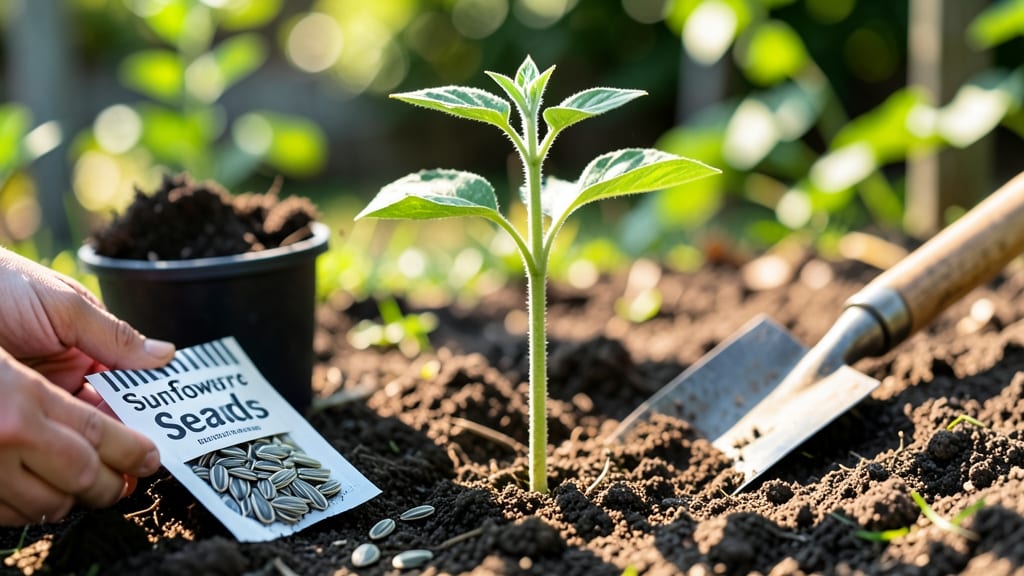
To plant sunflowers in East Tennessee, aim for mid-April to early June after the last frost—any earlier risks stunted growth from lingering cold.
Sunflowers bring bold color and joy to East Tennessee gardens—but planting them at the wrong time can mean wilted dreams instead of towering blooms. Timing is everything, especially when frost can strike unexpectedly.
In Zone 6a, where most of East Tennessee falls, your 165 frost-free days start counting after April 15th. That’s your cue to get seeds in the ground, whether you’re growing 6-foot giants or 3-foot dwarfs.
Below, I’ll break down the exact dates by frost risk, how to adjust for mountain vs. valley microclimates, and the fastest-maturing varieties to guarantee blooms before fall’s chill sets in.
Best sunflower planting dates in East Tennessee based on frost zones
East Tennessee's USDA frost zones 5a, 6a, and 7a create unique planting windows for sunflowers. In Zone 5a (higher elevations like the Smoky Mountains), frost lingers longer, while Zone 7a (valleys like Knoxville) enjoys extended growing seasons.
Getting the timing right means the difference between 6-foot giants and sad, stunted stems.
Sunflowers thrive when planted after your average last frost date, but East Tennessee's microclimates complicate things. Mountain gardens often wait 2-3 weeks longer than valley gardens. For maximum blooms, I recommend two planting windows: spring (April-May) for classic summer flowers and late summer (July-August) for fall color.
Here's the exact planting timeline by zone, including both direct sowing and transplanting options for East Tennessee gardeners:
| Zone | Last Frost Date | Direct Sowing Window | Transplant Window | Late Summer Second Crop |
|---|---|---|---|---|
| 5a (e.g., Gatlinburg) | April 25-May 5 | May 10-June 1 | April 15-May 15 (with row covers) | August 1-15 |
| 6a (e.g., Knoxville) | April 10-April 20 | April 25-May 15 | April 1-May 10 | July 20-August 10 |
| 7a (e.g., Chattanooga) | March 25-April 5 | April 10-May 1 | March 15-April 15 | July 10-July 31 |
⚠️ Note: Adjust dates 1-2 weeks earlier for valley locations, later for mountain elevations
For Zone 5a gardeners, I recommend starting seeds indoors 4-6 weeks before your last frost to give them a head start. Use biodegradable pots so you can transplant without disturbing roots.
In Zone 7a, you can even try early March sowings under row covers for a jump on the season.
My late-summer second crop trick works wonders in East Tennessee. Plant dwarf varieties like 'Teddy Bear' in early August—they'll bloom just in time for fall festivals and provide seeds for next year. Just be sure to choose fast-maturing varieties (under 60 days) to avoid early frost damage.
Soil temperature matters more than air temperature for sunflowers. Wait until the soil reaches at least 55°F before planting. In Zone 6a, this usually aligns with mid-April, but mountain gardens may need to wait until early May.
Use a soil thermometer to check—it's worth the investment for consistent germination.
Pro tip: If you're planting near late May, choose short-day varieties like 'Moulin Rouge' that won't bolt prematurely. For extended harvests, stagger plantings every 2 weeks between April and June. This creates a continuous bloom display from July through October.
Remember that sunflowers hate cold feet. Even if your last frost passes, nighttime temperatures below 50°F can stunt growth. Use row covers for early plantings to protect tender seedlings.
And always water deeply at planting—sunflowers need 1-2 inches of water per week once established, but they'll wilt dramatically if stressed during their first few weeks.
For maximum height, I plant my sunflowers in full sun locations with well-draining soil. Amend heavy clay soils with compost or sand to prevent root rot.
In East Tennessee's humid climate, mulch heavily around plants to suppress weeds and retain moisture—this is especially critical during our hot July summers.
Don't forget about bird protection! Young sunflowers are a buffet for squirrels and birds. Use bird netting or plant tall varieties in clusters so they can support each other against hungry critters.
With the right timing, your sunflowers will reach their full potential—some varieties even grow 12 feet tall in East Tennessee's climate.
How to adjust sunflower planting for East Tennessee’s microclimates
East Tennessee’s diverse landscapes—from valley floors to mountain ridges—create unique growing conditions that demand tailored sunflower planting strategies. In urban heat islands, soil warms faster, while higher elevations often experience delayed springs.
These microclimates can shift your ideal planting window by 2-3 weeks, making adjustments critical for success.
For valley gardens, where temperatures rise quickly, you can start sunflower seeds as early as mid-March under protective covers. Meanwhile, mountain gardeners in areas like USDA Zone 6a should wait until late April to avoid frost damage.
Even within the same county, a 100-foot elevation gain can mean a 5°F difference in soil temperature.
- Valley Gardens: Plant 2-3 weeks earlier (mid-March) with row covers for soil warmth.
- Mountain Ridges: Delay until late April to avoid late spring frosts (common after May 10).
- Urban Areas: Use black plastic mulch to raise soil temps 5-10°F faster.
- North-Facing Slopes: Wait until mid-May—these spots get 30% less sunlight.
- Row Covers: Extend season 3-4 weeks earlier or later by using floating row covers.
Soil temperature plays a huge role in sunflower germination. In East Tennessee valleys, soil often reaches 60°F by early April, ideal for planting. But at 3,000 feet elevations, like those in Great Smoky Mountains foothills, wait until soil hits 65°F—typically mid-to-late May.
A simple soil thermometer ($10 at garden centers) solves this guesswork.
Urban heat islands can be 5-10°F warmer than rural areas, creating microclimates where sunflowers thrive earlier. If your city garden feels like Zone 7b (common in Knoxville or Chattanooga), plant dwarf varieties like 'Teddy Bear' in early April for blooms by June.
For taller varieties, stick to mid-May to avoid heat stress during pollination.
Row covers are my secret weapon for adjusting planting times. By covering seeds with floating row fabric in early spring, I’ve started sunflowers in late March in valley gardens—resulting in 6-week earlier blooms than uncovered plants.
Remove covers when plants hit 12 inches tall to prevent overheating. For mountain gardens, use covers to protect late plantings from fall frosts in October.
Always monitor your local frost dates, but remember: microclimates matter more. Check with your local Cooperative Extension office for hyper-local advice—some East Tennessee valleys (like French Broad River bottoms) can have 50+ frost-free days earlier than nearby ridges.
With these adjustments, you’ll turn your sunflowers into reliable seasonal stars—not frost casualties.