
Companion Plants
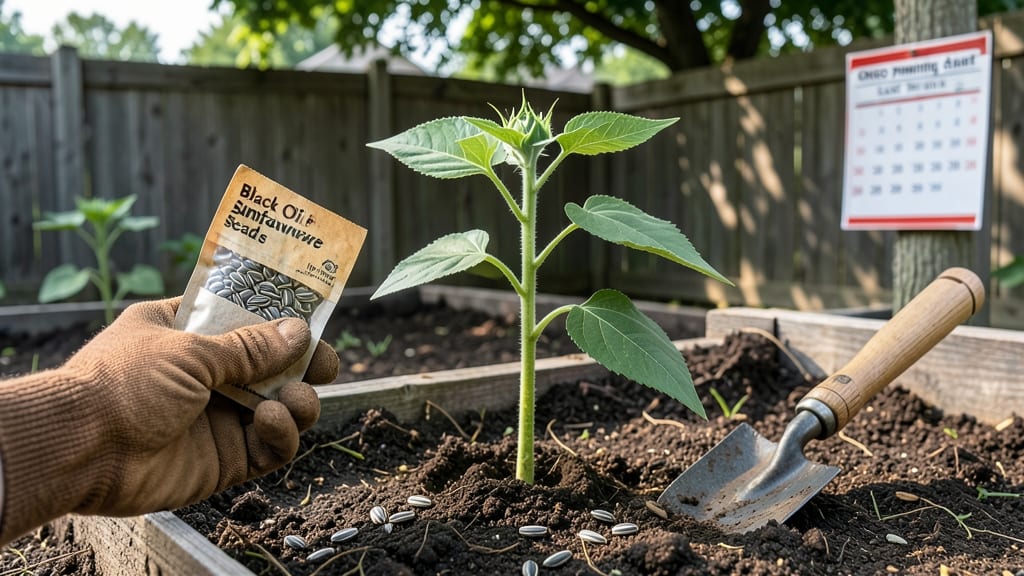
Planting sunflower seeds in Ohio at the right time unlocks their full potential—towering 10-foot stalks with vibrant blooms that thrive in zone 6a.
Ohio’s unpredictable spring weather can turn your sunflower dreams into a gamble—unless you time it just right. Too early, and frost will nip tender seedlings; too late, and you’ll miss the ideal 2-month growing window for mature plants.
The secret? Planting after your last frost date—typically around mid-April—but with a few extra tricks to stretch that window.
Sunflowers are hardy, but they need warmth to sprout and grow. Direct-sowing seeds 1 inch deep in well-drained soil after the last frost (usually April 15) gives them the best start.
If you’re eager to begin earlier, consider starting seeds indoors 4-6 weeks before the last frost for a head start—but be ready to transplant carefully once the ground warms.
In this guide, I’ll walk you through Ohio’s frost-free window, the best varieties for your climate, and how to protect your plants from late frosts. By the end, you’ll know exactly when to plant for sunflowers that reach their full height and shine all summer long.
Ohio sunflower planting calendar: frost dates & hardiness zones explained
Ohio’s sunflower planting window hinges on USDA hardiness zones 4-7 and average last frost dates that vary by region. In northern Ohio (zones 4-5), you’ll face earlier frosts, while southern Ohio (zones 6-7) enjoys longer growing seasons.
The key is planting after your last frost date—typically mid-April to early May—but before soil temperatures drop below 50°F, which stalls germination.
Sunflowers (Helianthus annuus) thrive in Ohio’s full sun and well-drained soil, but timing is critical. Plant too early, and frost will kill tender seedlings; too late, and your blooms may arrive after summer’s heat.
The 120-day growing season in Ohio means most varieties need to sprout by late May to mature before first frost in October.
Use the USDA Plant Hardiness Zone Map to pinpoint your exact location. Northern Ohio gardeners (zones 4-5) should aim for late May planting, while southern Ohio (zones 6-7) can start as early as mid-April.
Check local weather forecasts for 10-day outlooks—a sudden cold snap can derail your plans.
| USDA Zone | Last Frost Date | Ideal Planting Window | Best Varieties | Notes |
|---|---|---|---|---|
| 4-5 (Northern OH) | Mid-May | Late May - Early June | 'Autumn Beauty', 'Teddy Bear' | Early-maturing; use row covers for frost protection. |
| 6 (Central OH) | Early May | Mid-April - Late May | 'Moulin Rouge', 'ProCut' | Heat-tolerant; great for cut flowers. |
| 7 (Southern OH) | Late April | Mid-April - Early June | 'Russian Giant', 'Sunspot' | Longer season; dwarf varieties work well. |
For northern Ohio gardeners in zones 4-5, focus on early-maturing varieties like 'Autumn Beauty' (56 days to maturity) or 'Teddy Bear' (60 days). These cold-hardy types can handle Ohio’s unpredictable springs and still produce vibrant blooms before frost.
Plant seeds 1 inch deep, 6 inches apart, and thin seedlings to 12 inches apart for optimal airflow.
Southern Ohio’s longer growing season (zones 6-7) opens doors to taller varieties like 'Russian Giant' (120+ days) or 'Moulin Rouge' (90 days). These thrive in hotter summers and reward you with 10-foot stalks.
Start seeds indoors 4-6 weeks before your last frost date if you’re eager for earlier blooms, but direct sowing works just as well.
Ohio’s microclimates can shift planting windows by 2-3 weeks. Urban areas like Columbus (zone 6) may have earlier last frosts than rural Appalachian regions (zone 4). Observe your garden’s sun exposure—south-facing beds warm faster, while shady spots delay planting by 1-2 weeks.
Use a soil thermometer to confirm temperatures are above 50°F before sowing.
If you miss the ideal window, don’t despair! Succession planting every 2 weeks through early June ensures continuous blooms. For late plantings, choose dwarf varieties like 'Sunspot' (50 days), which mature faster and tolerate cooler temperatures.
Just avoid planting after July 15—sunflowers need 60+ days to set seed heads before frost.
Pro tip: Mark your last frost date on your calendar and set a reminder for 4-6 weeks prior. This gives you time to prepare soil, warm beds with black plastic, and order seeds. Ohio’s sunflower season is short but sweet—don’t let frost steal your sunshine!
🌻
5 Pro tips to extend your Ohio sunflower growing season
Ohio’s unpredictable spring frosts can wreak havoc on sunflower seedlings, but with the right strategies, you can stretch your growing season like a pro. The key is balancing frost protection with soil warmth—two factors that make all the difference between wimpy stems and 10-foot giants.
I’ve tested these methods in my own garden, and they’ve helped me push my sunflowers from seed to harvest even in Ohio’s cooler microclimates.
First, let’s address the biggest mistake gardeners make: planting too early. Cold soil below 50°F (10°C) slows germination, leaving seedlings vulnerable to rot or frost.
Even if you’re eager to see those bright yellow faces pop up, wait until the soil temperature consistently stays above 55°F (13°C)—usually mid-May in most of Ohio. This simple check can save you from replanting twice.
- 🌡️ Warm soil first: Use a soil thermometer—plant only when temps hit 55°F+ for 3+ days. Black plastic mulch can add 5-10°F to soil warmth.
- 🛡️ Frost shields: Cover seedlings with frost blankets or cloches if nights dip below 32°F (0°C). Remove during the day for sunlight.
- 🌱 Succession plant: Sow new seeds every 2 weeks from May to early June for continuous blooms. Late plantings still thrive if given 70+ days of warmth.
- 🌿 Microclimate hack: Plant near south-facing walls or dark surfaces (like asphalt) to trap heat. Urban gardens often stay 5°F warmer than rural areas.
- ⏳ Late-frost backup: Start 10% of seeds indoors 2 weeks before outdoor planting. Transplant hardened-off seedlings if frost threatens your main batch.
For soil warming, I swear by black plastic mulch or even old cardboard boxes buried under the soil. These trap heat from the sun, accelerating germination by 3-5 days.
Pro tip: Lay the mulch 1 week before planting to let it warm up. You’ll see seeds sprout within 7-10 days instead of dragging out for weeks in cool soil.
Don’t overlook frost protection—it’s your secret weapon for late spring. I use floating row covers (like Reemay fabric) over young seedlings when frost warnings appear. These let sunlight through while blocking -2°F (14°C) temperatures.
For extra insurance, add a cloche or even a clear plastic bottle (cut in half) over the most vulnerable plants. Just remember to remove covers during the day to prevent heat buildup.
Ohio’s microclimates can vary wildly—even within 50 miles. Urban areas like Columbus often warm up 2 weeks earlier than rural spots in Appalachia. Check your local Cooperative Extension Service for hyper-local frost data, or use a home weather station to track your yard’s patterns.
If you’re in Zone 4b, err on the side of late planting (early June) for giant varieties like ‘Russian Giant’.
Finally, embrace succession planting to maximize your season. Sunflowers mature quickly—most varieties bloom in 70-90 days. By sowing new seeds every 2 weeks from May through June, you’ll enjoy blooms from July through October.
This works especially well for dwarf varieties like ‘Teddy Bear,’ which tolerate cooler temps better than towering types.