
Companion Plants
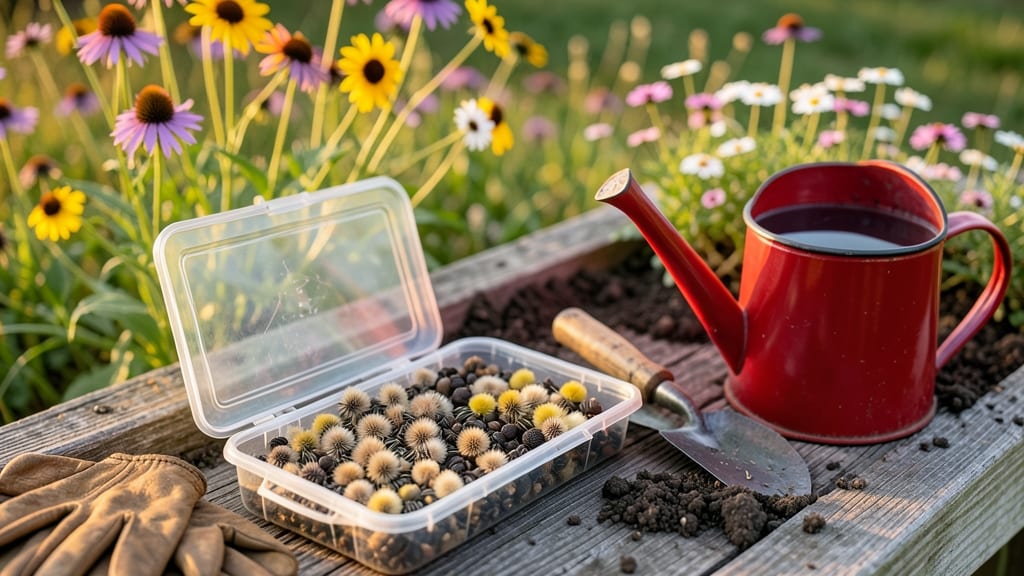
Plant wildflower seeds in Ohio between March 15 and May 15 for spring blooms or September 1 and October 15 for fall establishment, aligning with the state’s frost-free windows.
Ohio’s wildflower meadows burst with color—but timing your planting is everything. Get it wrong, and your seeds may rot in the cold or struggle against summer heat.
With USDA Zone 6a across most of the state, your planting window hinges on frost dates and soil temperature. Northern Ohio’s chillier springs demand earlier starts, while southern regions can stretch planting a bit later.
Here’s your zone-by-zone guide to planting 🌼 wildflower seeds in Ohio, including soil prep tips, frost risks, and the best species for each season.
Ohio wildflower planting timeline by hardiness Zone (5a-6b)
Ohio’s hardiness zones 5a-6b create unique planting windows for wildflowers. Northern Ohio (Zone 5a) faces colder springs and earlier frosts, while southern Ohio (Zone 6b) enjoys longer growing seasons. Timing matters—plant too early, and seeds rot; too late, and they struggle before winter.
Ohio State University data shows spring planting succeeds when soil temps hit 40°F+, while fall planting thrives before first frost (typically October 20).
Your last frost dates vary by zone: April 15 in Zone 5a and April 1 in Zone 6b. First frost arrives October 20 in Zone 5a and November 1 in Zone 6b. These dates define your planting windows—aim for 4-6 weeks before last frost in spring or 6-8 weeks before first frost in fall.
For example, Zone 5a wildflowers should go in by May 15 (spring) or September 15 (fall).
Here’s your zone-by-zone planting timeline, including soil temperature thresholds and seasonal risks like late freezes or drought:
Spring planting offers faster blooms but risks late freezes. For example, Zone 5a gardeners should wait until April 15 to avoid 32°F+ nights. Fall planting, however, gives seeds time to stratify naturally—a process where cold temperatures break seed dormancy. Ohio State University research shows fall-sown seeds often germinate earlier the following spring because they’ve already experienced winter’s chill.
Choose spring planting for annual wildflowers like cosmos or zinnia, which bloom quickly.
Opt for fall planting with perennials like black-eyed Susan or coneflower, which establish deeper roots before winter. Native Ohio species (e.g., wild bergamot) thrive best with fall sowing—their seeds need 60+ days of cold to germinate successfully.
Watch for soil temperature cues: Use a soil thermometer to confirm 40°F+ for spring or 50°F+ for fall.
In Zone 5a, late May planting may still face frost, while Zone 6b can extend spring planting until April 30. Fall planting in Zone 6b can even stretch to November 1 if soil stays workable.
Always test soil moisture—dry soil in summer’s heat or fall’s drought can kill young seedlings.
Prepare your site by removing weeds and loosening soil to 2 inches deep. Spring planting benefits from light compost (1 inch), while fall planting needs no fertilization—wildflowers prefer lean soil.
After sowing, lightly rake seeds into soil (no deeper than ¼ inch) and water gently to avoid washing them away. Mulch lightly with straw to retain
Best wildflower seed types for Ohio’s spring vs. fall planting
Ohio’s wildflower meadows thrive when you match the right seeds to the planting season. Spring planting (March–May) favors early bloomers like blue-eyed grass and wild columbine, while fall planting (September–October) lets hardy perennials like black-eyed Susan establish deep roots before winter.
The key? Choosing native species that handle Ohio’s variable humidity and clay-heavy soils.
For spring planting, prioritize annuals and biennials that germinate quickly in 50–60°F soil. These include coreopsis and lupine, which bloom by summer. Fall-planted perennials like coneflower and butterfly weed need 60 days of warm soil to sprout before frost. Both strategies support pollinators and reduce maintenance.
| Seed Type | Best Planting Time | Sun Needs | Drought Tolerance |
|---|---|---|---|
| Blue-Eyed Grass | Spring (March–April) | Full sun | High |
| Black-Eyed Susan | Fall (September–October) | Full sun | Very High |
| Coreopsis | Spring or Fall | Full sun | High |
| Wild Columbine | Spring (March–May) | Partial shade | Moderate |
| Coneflower | Fall (September–October) | Full sun | Very High |
Native species like partridge pea and purple prairie clover thrive in Ohio’s Zone 5a–6b and require minimal care. These drought-tolerant options spread quickly, crowding out weeds naturally. For spring plantings, mix seeds with sand to ensure even distribution—Ohio’s clay soil can compact seeds too deeply.
Fall planting offers a 60% success rate for perennials like goldenrod and asters because cool temps reduce fungal risks. Scatter seeds after the first frost (typically late October) but before soil freezes. Mulch lightly with straw to protect seeds from winter winds while allowing moisture to penetrate.
For urban gardens, choose compact varieties like dwarf coreopsis or wild bergamot. These handle limited space and attract butterflies all season. Always test soil pH (aim for 6.0–7.5) and amend with compost if needed—Ohio’s alkaline soils often need balancing for optimal germination.
My favorite low-maintenance mix combines black-eyed Susan (fall-planted), bee balm (spring), and wild bergamot (fall). This trio blooms from June to October, providing continuous color and pollinator support without extra watering once established. 🌼