
Flowers
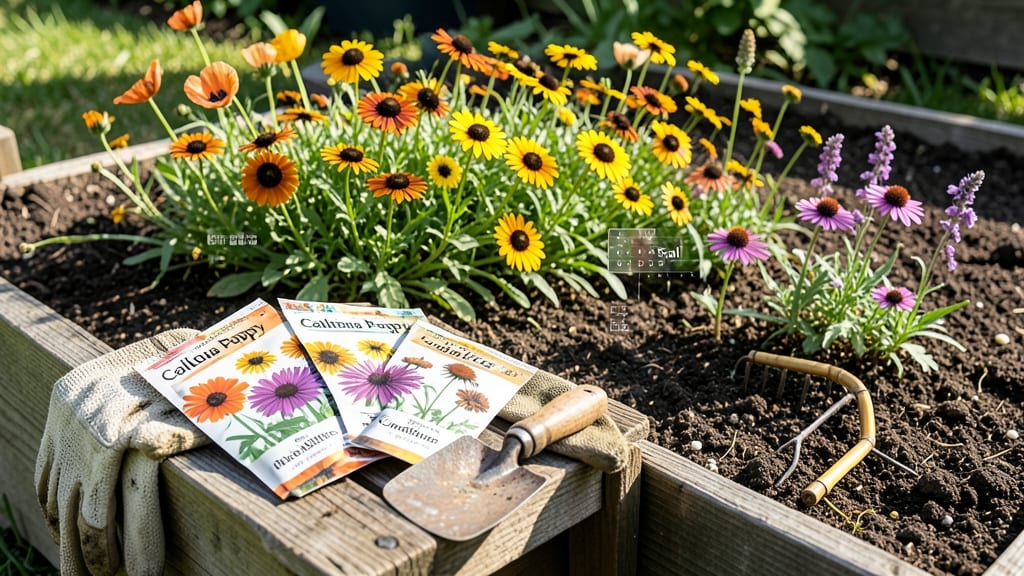
Planting wildflowers in Zone 8 during late winter to early spring or fall sets you up for a showstopping display of color—skipping these windows risks weak growth or missed blooms.
Timing your wildflower planting in Zone 8 can mean the difference between a vibrant meadow and a patchy disappointment—here’s exactly when to sow for the most stunning blooms all season long.
Zone 8’s mild winters and hot summers create two ideal planting windows: September-October for fall blooms and February-March for spring color. Native varieties like black-eyed Susans and coneflowers thrive when sown at these times, while non-natives may need extra care.
Below, I’ll break down the best months, soil prep tips, and how to choose seeds that flourish in your climate—so you can enjoy months of pollinator-friendly blooms without the guesswork.
Best planting months for wildflowers in Zone 8 by season
Planting wildflowers in Zone 8 requires timing that aligns with your region's mild winters and hot summers. The best seasons to sow are fall and spring, but each offers distinct advantages for establishing vibrant blooms.
Fall planting, in particular, gives seeds time to root before winter rains, while spring planting capitalizes on warm soil temperatures for quick germination.
Zone 8's 210 frost-free days create a longer growing window than cooler climates, but heat and drought can stress young seedlings. Native wildflowers like black-eyed Susan and purple coneflower thrive when planted during optimal windows. Let's break down the best months for each season to maximize your wildflower meadow's success.
🌼
Fall planting between September and October is my top recommendation for Zone 8 gardens. The cooler temperatures reduce evaporation, while occasional rains help seeds germinate naturally. Many wildflower seeds require a period of moist stratification, which fall's weather provides perfectly.
For example, California poppies and lupines often self-sow more reliably when planted in fall.
Spring planting in February or March works well for heat-loving varieties like blanket flower (Gaillardia). The key is to sow seeds as soon as the soil reaches 60°F, which typically occurs by mid-February in most of Zone 8.
This timing ensures blooms appear by late spring or early summer, giving you a head start on the pollinator season.
While summer planting isn't ideal, August can work for fast-growing annuals like cosmos or sunflowers. These species germinate quickly in warm soil and tolerate the heat better than perennials.
Just be prepared to provide extra shade for seedlings and consistent watering during establishment. I've had success with this method in hotter microclimates within Zone 8.
Zone 8's mild winters mean you can extend your planting window slightly into early November for cold-hardy species. However, avoid planting after the first frost date (typically around November 15), as seeds may not have time to establish before dormancy.
If you're planting in late fall, use a light mulch layer to protect seeds from frost while allowing moisture penetration.
For perennial wildflowers, fall planting offers the biggest advantage: established roots before summer's heat stress. Annuals, however, can be sown in both fall and spring. My garden's black-eyed Susans planted in October now return every year with minimal care, while spring-sown coreopsis provides summer color.
This seasonal diversity creates a continuous bloom cycle from spring through fall.
Remember that soil preparation matters just as much as timing. Before planting, remove weeds and loosen the top 4-6 inches of soil to improve seed-to-soil contact. In Zone 8's well-draining soils, you can simply scatter seeds and press them lightly into the soil.
For heavier clay soils, consider adding compost to improve drainage and fertility.
Pro tip: Mark your planting dates with garden stakes so you can track which varieties perform best in your specific microclimate. Over time, you'll discover which wildflower mixes thrive in your garden's unique conditions—whether it's a dry slope or a moist meadow area.
This personalized approach leads to more reliable blooms year after year.
🌿
How to choose wildflower seed varieties for Zone 8’s climate
Selecting the right wildflower seeds for Zone 8’s climate means balancing drought tolerance, bloom duration, and native species that thrive in your region’s hot summers and mild winters.
Non-native varieties may struggle with heat stress, while native wildflowers like black-eyed Susans and coneflowers adapt effortlessly to local conditions.
Your seed choices should prioritize long bloom seasons and low-maintenance care. For example, annual wildflowers like cosmos offer quick color but fade after one season, while perennial varieties like blanket flower return year after year with minimal effort. Understanding these trade-offs ensures your garden stays vibrant without constant replanting.
Native wildflowers are the safest bet for Zone 8, as they’ve evolved alongside local pollinators and soil conditions. They also require less water once established, making them ideal for xeriscaping projects. Non-native species might offer more color variety but often demand extra care to survive extreme heat or drought.
Native Wildflowers
- Pros: Drought-resistant, supports local pollinators, low maintenance
- Cons: Limited color variety, may require specific soil types
Non-Native Wildflowers
- Pros: Wider color selection, often taller varieties
- Cons: Needs more water, may not support local ecosystems
For continuous blooms, pair early-season flowers like lupine (blooms March-April) with mid-season favorites like blanket flower (June-August) and late-season stars such as goldenrod (September-October). This succession planting keeps your garden lively from spring through fall.
Always check seed packets for Zone 8 suitability and sunlight requirements. Most wildflowers need 6+ hours of sun daily, but shade-tolerant options like wild bergamot can thrive in partial shade. Avoid seeds labeled for cooler climates—they’ll struggle in Zone 8’s heat.
My top recommendations for Zone 8 include black-eyed Susan (drought-proof and pollinator-friendly), Mexican sunflower (tall and dramatic), and purple coneflower (long-lasting blooms). For quick color, cosmos and zinnia are annual workhorses that self-seed easily.