
Flowers
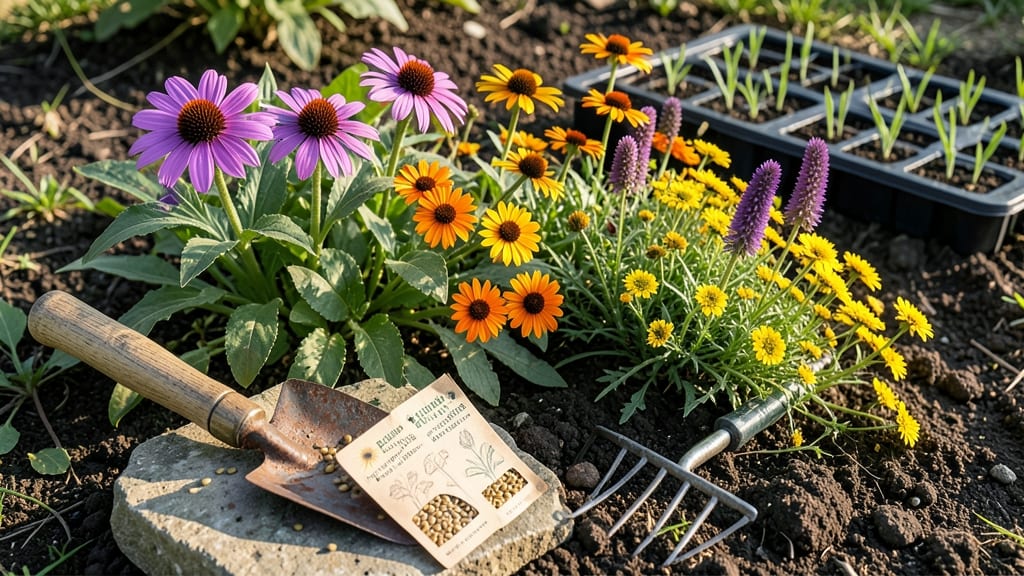
Planting wildflowers in Ohio at the right time means the difference between a vibrant meadow and a patch of dirt by next summer.
Ohio’s wildflowers aren’t just beautiful—they’re lifelines for pollinators like bees and butterflies, but planting them at the wrong time can mean wasted seeds and missed blooms. Timing is everything, and Ohio’s unique climate demands precision.
Most gardeners in USDA Zone 6a swear by early spring or fall planting, but the best window depends on your region—northern Ohio’s cooler springs vs. southern Ohio’s longer growing seasons. I’ll break down the exact months for your area, plus pro tips to avoid common mistakes that kill germination.
You’ll learn how to prep soil, choose native seeds, and time your planting for maximum blooms—whether you’re sowing directly or transplanting starts. Let’s get those 🌼 seeds in the ground the right way.
Ohio’s ideal wildflower planting windows by month (with climate zones)
Ohio’s climate varies dramatically from its northern cooler regions to southern warmer areas, making planting timing critical for wildflower success. Native mixes like coneflowers and milkweed thrive when planted at the right moment—either in early spring or early fall.
Let’s break down the best windows for Ohio’s three distinct climate zones to ensure your wildflowers take root and flourish.
Ohio spans USDA Zones 5-7, with Northern Ohio (Zone 5) experiencing shorter growing seasons, Central Ohio (Zone 6) offering moderate conditions, and Southern Ohio (Zone 7) providing longer warm periods. Each zone has unique frost dates and soil conditions, so timing matters more than you might think.
For example, black-eyed Susans planted too early in Zone 5 may rot before germination, while late summer plantings in Zone 7 can struggle with heat stress.
Spring planting (March–April) is ideal for most wildflowers, but fall planting (September–October) often yields stronger roots and fewer weeds. My personal favorite? Planting in early fall—the cooler temps mean less stress on seeds, and they get a head start on growth before winter. Let’s dive into the specifics for each zone.
In Northern Ohio (Zone 5), where winters are harsher, focus on early spring (April) or early fall (September) plantings. The soil stays cooler longer in spring, reducing seed rot risks, while fall plantings benefit from 6–8 weeks of growth before the first frost.
My go-to mix for this zone? A blend of coneflowers and milkweed—both thrive in these conditions and attract monarch butterflies.
For Central Ohio (Zone 6), you’ve got more flexibility. Plant in late March–April for spring blooms or September–October for fall establishment. This zone’s moderate climate allows for goldenrod and asters, which love the cooler fall air.
Pro tip: If you’re planting in spring, cover seeds lightly with straw mulch to protect them from late frosts.
Southern Ohio (Zone 7) gardeners enjoy the longest growing season, so you can start as early as February or even late September. Species like sunflowers and bee balm love the warmth and will reward you with bold blooms all season. Just be mindful of summer heat stress—plant in partial shade if temperatures exceed 90°F.
Did you know? Late summer plantings (July–August) work surprisingly well for fast-blooming annuals like cosmos and zinnias. These species germinate quickly in warm soil and provide instant color for your garden.
I’ve seen dramatic results by sowing these in mid-July—they’ll bloom by early September, just in time for fall pollinators.
One common mistake? Ignoring soil preparation. Whether you’re planting in spring or fall, loosen the top 6 inches of soil and mix in compost to improve drainage.
Clay-heavy soils in Central Ohio, for example, can suffocate seeds if not amended. For sandy soils in Southern Ohio, add a bit of organic matter to retain moisture.
Timing isn’t just about the month—it’s also about moon phases and weather forecasts
Why fall planting wins for Ohio wildflowers (and how to do it right)
Ohio’s fall planting season offers a secret weapon for wildflowers: cooler temperatures and fewer weeds. When you plant in September or early October, seeds germinate slowly but establish deep roots before winter, giving them a head start in spring.
This natural process reduces transplant shock and boosts survival rates for native species like coneflowers and black-eyed Susans.
The science behind this strategy is simple: cooler fall soil prevents rapid germination, which can stress young seedlings. Instead, seeds develop strong root systems over winter, emerging as hearty plants in spring. Plus, weed competition is minimal in early fall, so your wildflowers get the space they need to thrive.
For Ohio gardeners, fall planting also means avoiding the heat and drought stress of summer planting. By the time spring arrives, your wildflowers will be established and ready to bloom, attracting pollinators like bees and butterflies from day one.
This method is especially effective for perennial wildflowers, which reward you with years of color and ecosystem benefits.
Now, let’s break down the step-by-step process to ensure your fall wildflower planting is a success. Follow these proven techniques to maximize germination and growth.
🌱 Step-by-Step Fall Wildflower Planting Guide
- 📅 Choose the Right Time: Aim for late September to early October in Ohio, allowing seeds to germinate before first frost (typically mid-October).
- 🌿 Prepare the Soil: Loosen the top 6 inches of soil and mix in compost or aged manure to improve drainage and fertility.
- 🌱 Scatter Seeds Evenly: Sprinkle seeds lightly on the soil surface (no need to bury deep) and cover with a thin layer of mulch or straw (¼ inch max).
- 💧 Water Gently: Keep soil moist but not soggy with light watering (½ inch per week) until germination occurs.
- ❄️ Protect Over Winter: Use light mulch or straw to insulate seeds from harsh freezing temperatures and prevent erosion.
- 🌱 Monitor in Spring: Once active growth begins (late March–April), thin seedlings if needed and avoid heavy foot traffic.
One of the biggest advantages of fall planting is the reduced need for post-planting care. Since seeds germinate slowly, you won’t face the weed pressure that plagues spring plantings.
However, watering consistency is key—especially in Ohio’s unpredictable fall weather. A light layer of mulch helps retain moisture and keeps soil temperatures stable.
For best results, focus on native Ohio wildflowers like purple coneflower, butterfly weed, and goldenrod. These species are adapted to Ohio’s climate and require minimal maintenance once established.
By planting in fall, you’re not just saving time—you’re giving your garden a pollinator-friendly boost that will pay off for years.
Don’t overlook the long-term benefits of fall planting. Your wildflowers will bloom earlier in spring, provide continuous nectar for pollinators, and self-seed naturally, creating a low-maintenance meadow.
With the right timing and care, your Ohio garden can become a thriving ecosystem that supports local wildlife—all while requiring less effort than spring plantings.