
Plants
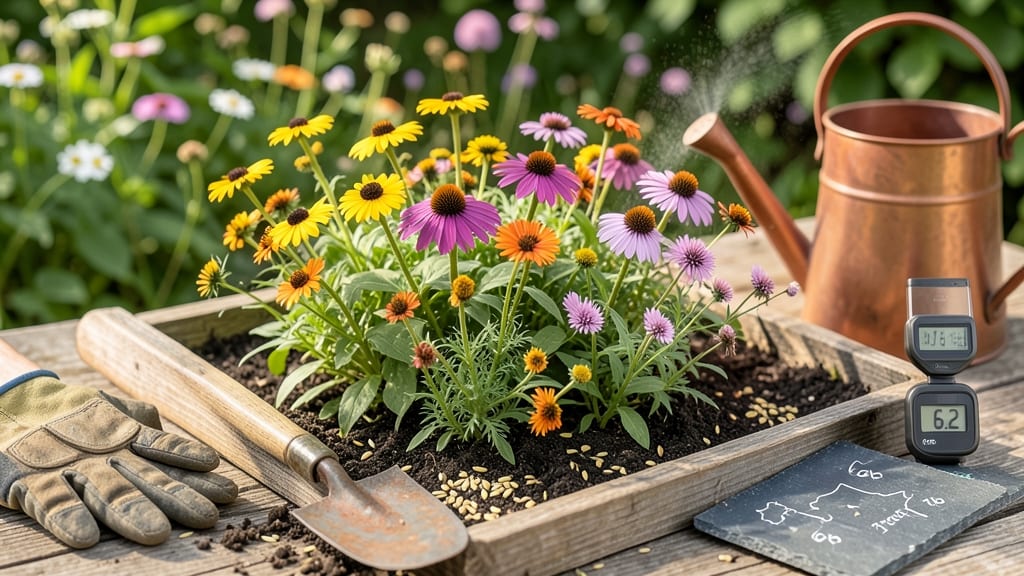
Planting wildflower seeds in New Jersey at the right time means the difference between a burst of color from spring to fall and a patch of dirt that never quite takes.
Picture this: you’ve picked out your favorite 🌼 mix—maybe a blend of black-eyed Susans and purple coneflowers—only to watch frost nip them before they bloom. Or worse, you plant too late, and the heat arrives before the seeds even sprout.
For USDA Zone 6b gardeners, timing is everything, and getting it wrong can mean months of disappointment.
But here’s the good news: New Jersey’s climate actually works in your favor if you know the two best windows to plant.
Whether you’re aiming for a spring meadow or a late-summer burst of color, the secret lies in avoiding frost, embracing the right soil prep, and choosing seeds that thrive in your specific corner of the state—whether that’s coastal, inland, or somewhere in between.
In this guide, I’ll walk you through the exact months to plant for maximum blooms, how to prep your soil for success, and which native wildflowers will give you the most vibrant, low-maintenance results. No guesswork—just a foolproof plan for turning your yard into a pollinator paradise.
Best planting windows for NJ wildflowers by season (zone 6b guide)
New Jersey's Zone 6b climate offers two prime planting windows for wildflowers: early spring and late summer. Each timing aligns with soil temperatures and rainfall patterns to maximize germination rates.
Spring planting (March-April) lets seeds establish before summer heat, while fall planting (August-September) takes advantage of cool, moist soil before winter dormancy.
Understanding these windows prevents common mistakes like planting too early when frost risks remain or too late when summer drought stresses young seedlings. For annual wildflowers, spring planting ensures vibrant summer blooms, while perennial varieties benefit from fall planting for deeper root establishment before winter.
Here's a quick comparison of NJ's planting windows with key temperature thresholds and bloom timing:
| Planting Window | Ideal Months | Soil Temp Threshold | Bloom Time | Best For |
|---|---|---|---|---|
| Early Spring | March-April | 40-50°F (4-10°C) | Summer-Fall | Annuals, fast bloomers |
| Late Summer | August-September | 50-60°F (10-15°C) | Next Spring-Fall | Perennials, drought-tolerant |
| Fall | October (early) | 45-55°F (7-13°C) | Spring | Biennials, cool-season |
For spring planting, aim for March-April when daytime temperatures consistently stay above 50°F (10°C). This timing ensures seeds germinate before summer drought sets in. Inland NJ areas like Trenton can plant slightly earlier (late February) than coastal regions like Asbury Park, where frost lingers longer.
My favorite late summer window (August-September) works perfectly for perennial wildflowers like black-eyed Susan or purple coneflower. Planting in August lets seeds establish roots before winter, while September planting avoids summer's peak heat. Always water thoroughly after planting to settle seeds into soil.
Fall planting in early October suits cool-season wildflowers like poppies or sweet alyssum. These varieties germinate in spring but need winter chilling. Just avoid planting after mid-October when frost risks increase—seeds won't have time to establish before dormancy.
Pro tip: Use a seed germination mat for early spring planting to warm soil and speed up sprouting. For late summer, mulch newly planted areas with straw to retain moisture during NJ's hot, dry spells. Always test soil moisture before watering—wildflowers hate soggy soil!
Remember that annual wildflowers planted in spring will bloom within 6-8 weeks, while perennial varieties may take 2-3 years to reach full maturity. The key is patience—once established, NJ wildflowers require minimal care and support pollinators year after year.
For coastal NJ gardeners, extend your planting window by 2-3 weeks later than inland areas due to moderating ocean breezes. Always check local frost dates—your county extension office has the most reliable data for your specific microclimate.
How to choose wildflower seed mixes for NJ’s climate and soil
New Jersey’s diverse landscapes—from sandy coastal plains to clay-rich inland areas—demand careful selection of wildflower seed mixes. Native species like black-eyed Susan and purple coneflower thrive in NJ’s USDA Zone 6b, while non-native blends may require extra soil amendments.
Your choice hinges on three key factors: soil type, sunlight exposure, and whether you prioritize native pollinators or vibrant color variety.
Start by testing your soil’s drainage and pH. Sandy soils in coastal areas (e.g., Cape May) need moisture-retentive mixes like ‘Coastal Wildflower’, while clay-heavy soils in central NJ benefit from ‘Prairie Wildflower’ blends with deep-rooted species.
A simple soil test kit (available at garden centers) reveals whether your pH leans acidic or alkaline—most NJ wildflowers prefer 6.0–7.0.
Next, match your seed mix to sunlight. Full-sun mixes (6+ hours of light) like ‘Butterfly Magnet’ are ideal for open fields, while partial-shade blends (3–6 hours) work under trees. Check your yard’s microclimate: North-facing slopes stay shadier, while south-facing areas bake in summer heat.
Native vs. Non-Native Wildflower Seed Mixes for NJ
Native Seed Mixes
- Pros: Supports local pollinators (bees, butterflies)
- Pros: Low-maintenance; adapted to NJ’s climate
- Pros: Drought-tolerant once established
Non-Native Seed Mixes
- Cons: May outcompete native species
- Cons: Higher water needs in NJ heat
- Pros: Wider color variety (e.g., ‘Rainbow Wildflower’)
Popular NJ-approved mixes include ‘Northeast Native Wildflower’ (ideal for meadows) and ‘Butterfly Magnet’ (packed with milkweed for monarchs). For small spaces, consider ‘Sunny Meadow’ blends with coreopsis and black-eyed Susan. Always check the label for percentage of native species—aim for 70%+ to benefit ecosystems.
Prepare your soil by removing weeds and loosening the top 2–3 inches of soil. For clay soil, mix in compost or sand to improve drainage. In sandy areas, add organic matter like leaf mold to retain moisture.
Scatter seeds evenly (use a seed spreader for large areas) and press lightly into the soil—no need to bury deeply.
After planting, water gently to keep soil moist but not soggy. Most wildflower seeds germinate within 14–30 days, depending on the mix. Avoid fertilizing—wildflowers thrive in low-nutrient conditions. Mulch lightly with straw to suppress weeds and retain moisture during NJ’s hot, dry summers.
For long-term success, let some seeds self-sow each year. By year three, your meadow will reach full bloom potential, attracting bees, butterflies, and hummingbirds while requiring minimal upkeep. Happy planting! 🌼