
Flowers
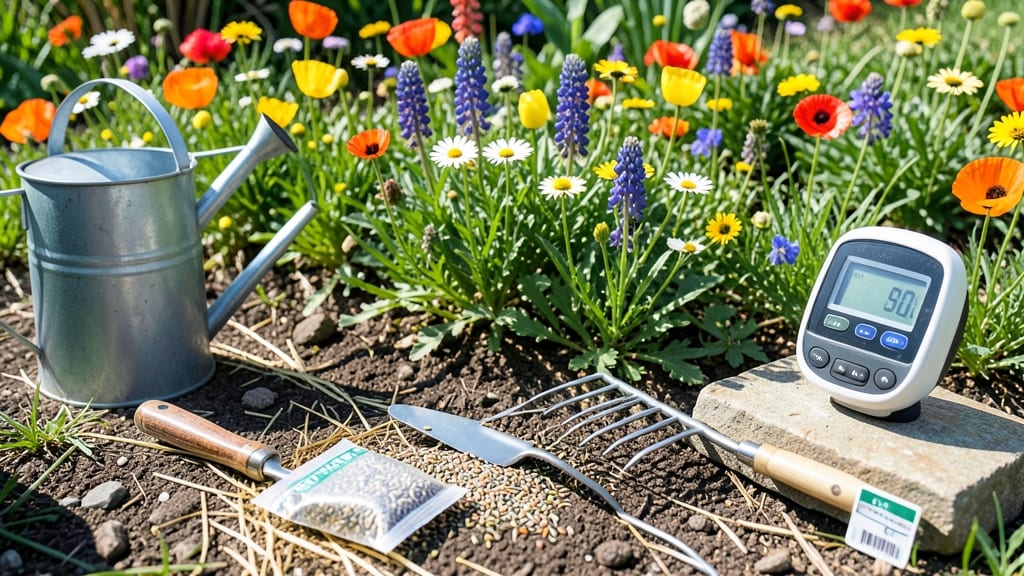
Planting wildflowers in the Pacific Northwest at the right time ensures vibrant blooms and thrives in your garden 🌱—miss the window, and you risk sparse growth or weeds taking over.
If you’ve ever watched your garden go from bare soil to a buzzing pollinator haven in just a few months, you know the magic happens when timing is perfect.
The Pacific Northwest’s mild, wet winters and dry summers create a unique window for planting wildflowers—one that rewards patience with year-round color.
Most gardeners here plant wildflowers in early spring, but fall sowing can also work for hardy annuals like lupines and columbines. Whether you’re in Seattle’s coastal fog or the drier inland valleys, the key is planting when the soil warms enough to support germination without baking the seeds.
In this guide, I’ll break down the exact months for your USDA zone, the best wildflower varieties for your microclimate, and how to prep your soil for maximum blooms. Ready to transform your yard into a pollinator paradise?
Pacific Northwest wildflower planting calendar by USDA zone (exact months for best results)
Timing is everything when planting wildflowers in the Pacific Northwest. The region's USDA Zones 7-9 offer unique microclimates—coastal areas stay milder while inland zones experience colder winters. Planting at the wrong time can lead to poor germination or invasive weeds dominating instead of your native blooms.
For year-round color, I’ve mapped out the best months for each zone, including early spring and fall options. Native species like lupine, yarrow, and blanket flower thrive when planted at these precise windows, ensuring vibrant blooms from spring through fall.
Here’s your month-by-month guide for planting wildflowers in the PNW, tailored to your specific zone:
For Zone 7 coastal areas, like Seattle or Portland outskirts, I recommend starting seeds indoors in February for early blooms. These regions benefit from fall planting (September-October) to take advantage of winter rains and establish roots before spring growth.
Inland Zone 7 areas, such as the Columbia Basin, should wait until soil temperatures reach 50°F or warmer—typically mid-April. Fall planting here works best in August-September to avoid summer drought stress. Use a soil thermometer to check—warm soil speeds germination.
In Zone 8, like the Willamette Valley, you can plant wildflowers as early as March for spring blooms or September for fall establishment. Native penstemon and sagebrush love these conditions and reward you with long-lasting color.
For Zone 9, including parts of Southern Oregon, the growing season is extended. Start seeds in February for early blooms, or plant in September for a second flush of color. This zone supports California poppies and lupines, which thrive in well-draining soils.
Pro tip: Scatter seeds lightly in prepared beds—wildflowers don’t need deep planting. A light 1/4-inch coverage of soil or mulch keeps seeds in place while allowing sunlight to reach them. Water gently to avoid washing seeds away.
After planting, maintain consistent moisture for the first 4-6 weeks. The Pacific Northwest’s mild but unpredictable rains can make this tricky, so use a drip irrigation system or soaker hose for even watering.
For extended-season blooms, mix annuals (like blanket flower) with perennials (like yarrow). Annuals provide instant color, while perennials return year after year. Plant them in layers—tall species at the back, medium in the middle, and low-growing varieties at the front.
Remember, the Pacific Northwest’s unique climate means microclimates matter. Coastal areas stay wetter longer, while inland zones can dry out faster. Adjust your planting timeline based on your specific location’s last frost date and summer rainfall patterns.
Best wildflower types for Pacific Northwest climates and when to sow them
The Pacific Northwest's unique climate—cool, wet winters and mild, dry summers—creates the perfect conditions for native wildflowers that thrive with minimal fuss. Choosing the right species ensures vibrant blooms while supporting local pollinators like bees and butterflies.
My top picks include lupines, checkerbloom, and goldenrod, each offering drought tolerance and year-round interest.
Timing is everything in the PNW. Planting too early risks rot from winter rains, while late sowing may leave flowers struggling in summer heat. The key is aligning your planting with the soil temperature and local frost dates—typically between March and September, depending on your USDA zone.
Let’s dive into the best varieties and their ideal planting windows.
- 1
- 2
- 3
Lupines are my go-to for PNW gardens—they’re drought-tolerant once established and bloom from early summer to fall. Scatter seeds in early spring (March-April) or fall (September) for best results. Their deep roots also help prevent soil erosion, making them ideal for slopes or rain gardens.
For checkerbloom, a low-growing annual, aim for late spring (May-June) planting. This hardy flower handles foot traffic and thrives in partial shade, perfect for garden borders or meadows. Pair it with goldenrod, which blooms in late summer and provides nectar for late-season pollinators like monarch butterflies.
Don’t overlook biennials like foxglove—they’re perfect for fall planting (September-October) in the PNW. These dramatic plants store energy over winter to produce stunning spikes of blooms the following year. Just ensure your soil is well-draining to prevent rot during wet winters.
Pro tip: Mix annuals, perennials, and biennials for continuous color. For example, plant lupines (perennial) with cosmos (annual) and foxglove (biennial) to enjoy blooms from spring through fall. 🌷