
Plants
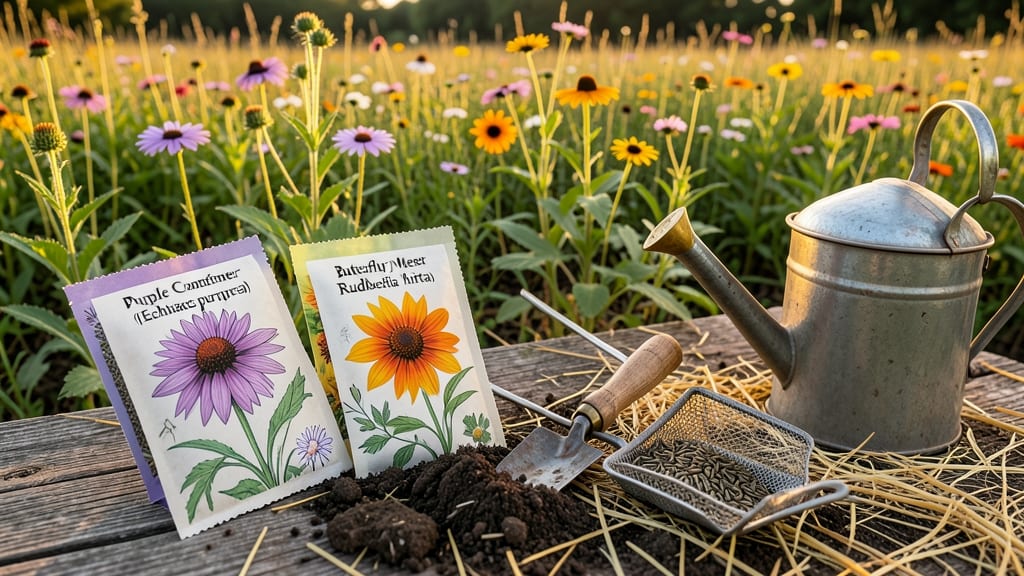
Planting wildflower seeds in New York at the right time ensures vibrant blooms and thriving meadows 🌼—aim for early spring or late summer when frost risks fade.
New York’s diverse climate—from the Adirondacks to Long Island—can make wildflower planting tricky, but timing your seeds right ensures vibrant blooms year after year.
Whether you’re restoring a meadow or adding pollinator-friendly pops of color, knowing the exact window for planting wildflower seeds in New York’s USDA Zones 3-7 is the key to success.
Spring planting in March or April gives seeds a head start before summer heat, while late summer (August-September) planting capitalizes on cooler temps and fall rains for strong root growth. Both methods work, but the fastest blooms often come from spring-sown seeds.
Here’s how to prepare your site, choose the best varieties for your zone, and keep your wildflowers thriving from seed to full bloom—so you can enjoy colorful meadows in just 60 days.
Best planting months for wildflower seeds in New York by USDA Zone
New York’s USDA Zones 3-7 create unique challenges for wildflower planting, but with the right timing, you can transform any space into a pollinator paradise. The Hudson Valley (Zone 6) and Western NY (Zone 5) have cooler springs, while Long Island (Zone 7) enjoys longer growing seasons.
These differences mean your planting schedule should adapt to your specific region.
For most wildflower varieties, early spring (March-April) and late summer (August-September) offer the best chances for success. Spring planting lets seeds germinate before summer heat arrives, while fall planting takes advantage of cooler temperatures and winter moisture. Understanding these windows helps avoid late frost damage or summer drought stress.
Here’s how to match your planting schedule to New York’s diverse microclimates:
| USDA Zone | Region | Spring Planting Window | Fall Planting Window | Key Considerations |
|---|---|---|---|---|
| 3-4 | Adirondacks, Catskills | Late April - Early May | Late August - Mid-September | Wait for soil to warm above 40°F; shorter growing season |
| 5 | Western NY, Finger Lakes | Mid-April - Early May | Mid-August - Early September | Watch for late spring frosts; prepare for shorter fall |
| 6 | Hudson Valley, Capital Region | Early April - Mid-May | Late August - Mid-September | Ideal balance of spring warmth and fall length |
| 7 | Long Island, NYC Metro | March - Early April | September - Early October | Longer growing season; can plant earlier in spring |
In Zone 3-4 (Adirondacks, Catskills), wait until late April or early May for spring planting to avoid late frost damage. These northern regions benefit from fall planting in late August, giving seeds time to establish roots before winter.
For Zone 5 (Western NY), aim for mid-April to early May in spring and mid-August to early September in fall.
Gardeners in Zone 6 (Hudson Valley) have the most flexibility, with ideal spring windows from early April to mid-May. The longer fall in this zone allows planting until mid-September.
Meanwhile, Zone 7 (Long Island) can start as early as March for spring planting and extend into early October for fall sowing.
Regional microclimates also play a role. For example, urban heat islands in NYC may allow slightly earlier spring planting, while lake-effect zones near Finger Lakes can experience delayed springs. Always check your local last frost date—typically mid-April in most of NY—to guide your timing.
For summer-blooming varieties like Black-Eyed Susan or Butterfly Weed, spring planting ensures vibrant blooms by June. Fall-blooming species such as Goldenrod or Asters benefit from late summer sowing, providing late-season color. Always choose native wildflower mixes for your specific zone to ensure hardiness and pollinator appeal.
After planting, maintain consistent moisture for the first 4-6 weeks. Use mulch to retain soil moisture and suppress weeds, especially in drier Zone 7 areas. With the right timing and care, your wildflower meadow will thrive across New York’s diverse climate zones.
How to prepare your New York site for wildflower success before planting
Preparing your New York garden for wildflowers starts with understanding your local ecosystem. Native species like Black-Eyed Susans and Purple Coneflowers thrive in NY’s USDA Zones 3-7, but their success depends on proper site prep.
Start by clearing existing vegetation—wildflowers compete poorly with aggressive grasses or weeds. Use a broadfork or manual weeding to avoid disturbing the soil structure too deeply, which can bury seeds too far.
Next, assess your sunlight exposure. Most wildflowers need 6+ hours of direct sun daily, though some shade-tolerant varieties like Wild Columbine can handle partial shade. Mark your garden’s sun patterns throughout the day to ensure optimal placement.
If your site is shady, consider low-growing species like Wild Bergamot, which tolerates dappled light better than taller varieties.
⚠️ callout warning ⚠️
Wildflower seeds need light contact with soil to germinate. Over-tilling buries seeds too deep or disrupts soil microbes. Instead, use a rake or hoe to lightly scratch the surface (¼ inch deep) after scattering seeds. This mimics natural conditions where seeds land on forest floors or meadows.
✅ Do: Loosen soil with a broadfork in fall (for spring planting) to improve drainage.
❌ Don’t: Till after planting—it can expose seeds to birds or erosion.
Soil preparation is critical for wildflower success. Test your soil’s pH level—most native wildflowers prefer slightly acidic to neutral (6.0-7.0). Amend heavy clay soils with compost or sand to improve drainage, while sandy soils benefit from organic matter like leaf mold.
Avoid synthetic fertilizers, which can encourage weed growth over wildflowers. Instead, mix in aged compost or worm castings for nutrients.
Choose native species suited to your region. For example, New York Aster thrives in Zone 4-7 and blooms late summer, while Coreopsis prefers Zone 5-8 and loves dry, rocky soils.
Check seed packets for NY-specific varieties to ensure compatibility with your microclimate. Group plants by water needs—some, like Butterfly Weed, are drought-tolerant, while others need consistent moisture.
Timing your prep work is just as important as planting. For spring planting (March-April), prepare your site in late fall by clearing debris and loosening soil.
If planting in late summer/early fall (August-September), focus on weeding and soil amendments 4-6 weeks beforehand to give seeds time to establish before winter. Always check your local frost dates—planting too early in Zone 3 risks frost damage, while Zone 7 may allow later fall sowing.
Finally, consider watering infrastructure before planting. Wildflower seeds need consistent moisture to germinate but hate soggy soil. Install a drip irrigation system or soaker hose to deliver water slowly and evenly.
Avoid overhead sprinklers, which can wash seeds away or cause fungal issues. Once established, most wildflowers are drought-resistant, but young seedlings need weekly watering during dry spells.
With the right prep, your New York wildflower garden will burst into color in just 6-8 weeks—attracting pollinators and adding biodiversity to your landscape. Start small with a 10x10-foot plot to test conditions before expanding. Happy planting! 🌼