
Blooming
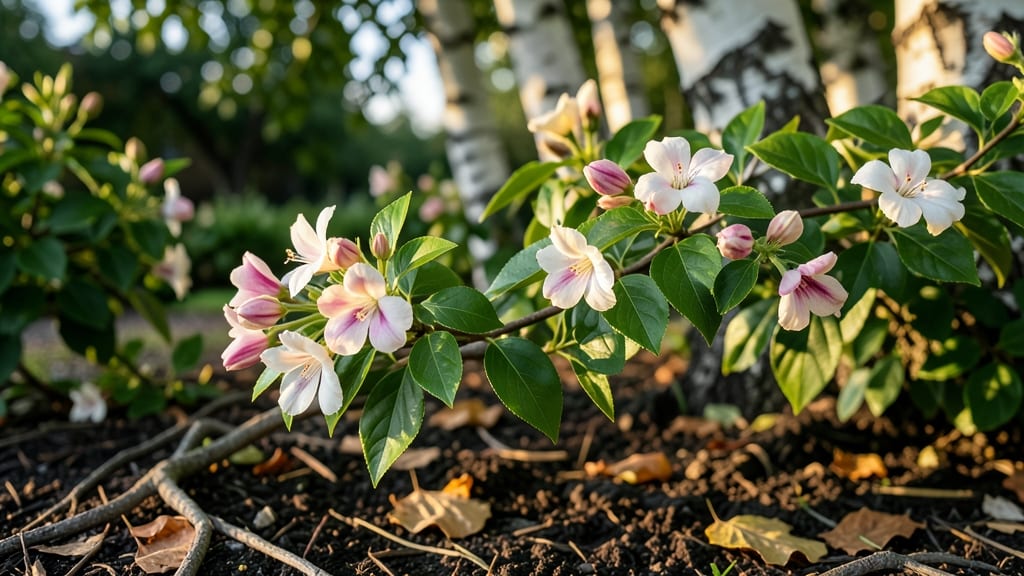
Timing the honeysuckle flowering time is the secret to a garden that smells like summer all season long 🌸 — and it starts with knowing when your zone’s blooms begin.
If you’ve ever wondered why your honeysuckle vines bloom in May but your neighbor’s burst into flowers in July, the answer lies in your USDA zone—and a few other key factors.
Understanding honeysuckle flowering time isn’t just about timing; it’s about maximizing your plant’s potential and planning your garden for the most fragrant, vibrant displays.
Most varieties light up gardens from late spring through summer, but regional differences can shift that window by weeks. In cooler zones like 6a, expect blooms to kick off in June, while warmer climates may see flowers as early as April or stretch them into fall.
The right care—like pruning at the right time or feeding just enough—can even coax your honeysuckle into a second round of blooms.
Here’s what you’ll discover: the month-by-month blooming schedule for your zone, how sunlight and pruning tweak your timeline, and the simple tricks to keep your honeysuckle in full, fragrant glory for months.
When do honeysuckle flowers bloom: month-by-month guide by USDA zone
Honeysuckle vines are famous for their sweet fragrance and stunning tubular flowers, but their blooming windows vary dramatically depending on your USDA zone and the specific variety.
In Zone 3, you might spot early bloomers like Lonicera sempervirens as soon as late May, while Zone 9 gardeners often enjoy extended blooms from March through September.
These differences aren’t just about location—they’re also tied to whether your honeysuckle is evergreen or deciduous, and how much sunlight it receives.
The key to planning your garden around honeysuckle blooms is understanding these month-by-month patterns. Most varieties follow a late spring to summer schedule, but some tropical types (like Lonicera japonica) can bloom year-round in warmer zones.
Let’s break down what to expect in your specific zone, so you can time your pruning, planting, and even your pollinator-friendly events perfectly.
| USDA Zone | Early Bloomers | Peak Blooms | Late Bloomers | Notes |
|---|---|---|---|---|
| Zones 3-4 | Late May | June-July | Early August | Cold-hardy varieties like L. tatarica bloom later in cooler zones. |
| Zones 5-6 | Early May | June-August | September | L. sempervirens (Coral Honeysuckle) often reblooms in fall. |
| Zones 7-8 | April | May-September | October | Warmer zones support year-round blooms for tropical varieties. |
| Zones 9-10 | March | April-October | November | L. japonica may bloom continuously with proper care. |
In Zones 3-4, where winters are harsh, honeysuckle varieties like Tartarian honeysuckle (Lonicera tatarica) often wait until late May to bloom, with peak displays in June and July. These late bloomers help gardeners in colder climates enjoy summer fragrance when other flowers may have faded.
The Coral honeysuckle (Lonicera sempervirens), however, is a native US favorite that thrives in Zones 4-9 and can even produce a second flush of blooms in fall.
Gardeners in Zones 5-6 have the advantage of a longer blooming window, typically from early May through September. This makes honeysuckle a staple for pollinator gardens, as bees and hummingbirds can rely on it for nectar during multiple seasons.
For example, Trumpet honeysuckle (Lonicera sempervirens ‘Major Wheeler’) often blooms in waves, ensuring continuous color and scent.
If you live in Zones 7-8, you’re in the sweet spot for extended blooming seasons. Many varieties start as early as April and continue through October, with some tropical types like Japanese honeysuckle (Lonicera japonica) offering year-round blooms in ideal conditions.
This is also where evergreen honeysuckle varieties shine, providing winter interest with their glossy leaves and occasional blooms.
For those in Zones 9-10, honeysuckle is a near-perennial bloomer. Varieties like Hall’s honeysuckle (Lonicera x heckrottii) can produce flowers from March through November, with minimal dormancy.
The key here is to protect your plants from heat stress by providing afternoon shade and consistent moisture, especially during dry spells.
Regional microclimates can also shift these timelines. For instance, a coastal Zone 7 garden might see blooms as early as February, while an inland area in the same zone could delay blooms until April.
Pay attention to local frost dates and prevailing winds, as these factors can influence when your honeysuckle decides to open its first buds.
To maximize your honeysuckle’s blooming potential, consider pruning strategies. For spring-blooming varieties (like L. tatarica), prune in late
How to extend honeysuckle blooming season with pruning and care
Honeysuckles naturally bloom in late spring to summer, but with the right care, you can stretch that season by 3-4 weeks. The secret lies in understanding your plant’s growth habits and timing pruning perfectly.
Evergreen varieties like Lonicera sempervirens often bloom later than deciduous types, giving you a head start on extended fragrance.
Pruning is the most critical factor—do it wrong, and you’ll cut off next year’s blooms. Most honeysuckles flower on old wood, meaning last year’s growth produces this year’s flowers. If you prune too late or too aggressively, you risk sacrificing blooms entirely.
Let’s break down the best approaches to keep your honeysuckle in full bloom for as long as possible.
Extending Honeysuckle Blooms: Pruning & Care
- Prune in late winter (before buds swell) to shape and remove dead wood.
- Deadhead spent blooms regularly to encourage new growth.
- Use balanced fertilizer (10-10-10) in early spring for steady blooming.
- Water deeply 2-3x/week during droughts to prevent stress.
- Prune after blooming—this removes next year’s flower buds.
- Over-fertilize with high-nitrogen—it promotes leaves, not flowers.
- Let soil dry out completely—honeysuckle needs consistent moisture.
- Ignore soil pH (6.0-7.0)—acidic soil can stunt blooms.
🌸 Pro Tip: Evergreen honeysuckles (like Lonicera sempervirens) bloom later in the season and often produce new flowers on current growth, giving you a second chance for blooms!
For evergreen honeysuckles, you have a slight advantage—they can bloom on both old and new wood. This means you can prune lightly after the first flush of blooms to encourage a second round of flowers in late summer.
Deciduous types, like Lonicera japonica, rely entirely on old wood, so prune carefully in late winter to avoid cutting off next year’s blooms.
Deadheading is another game-changer. Simply pinch off spent flowers with your fingers or pruners to redirect the plant’s energy toward new blooms. Do this every 2-3 weeks during the blooming season.
Pair this with a light feeding of 10-10-10 fertilizer every 4-6 weeks, and you’ll see a noticeable difference in bloom quantity and duration.
Don’t overlook soil health—honeysuckles thrive in well-draining, slightly acidic soil (pH 6.0-7.0). If your soil is too alkaline, amend it with peat moss or sulfur to encourage better blooming.
Mulch around the base with 2-3 inches of organic matter to retain moisture and regulate soil temperature, which also supports longer blooming.
Watering plays a crucial role, too. While honeysuckles are drought-tolerant once established, they need consistent moisture during the blooming season. Water deeply 2-3 times per week during dry spells, focusing on the root zone.
Avoid wetting the foliage to prevent fungal diseases like powdery mildew, which can stress the plant and shorten its blooming period.
With these strategies, you can transform a short-lived spring bloom into a fragrant summer spectacle that lasts well into fall. Start with late-winter pruning, keep up with deadheading, and monitor soil and water—your honeysuckle will reward you with longer, more abundant blooms every season. 🌿