
How To
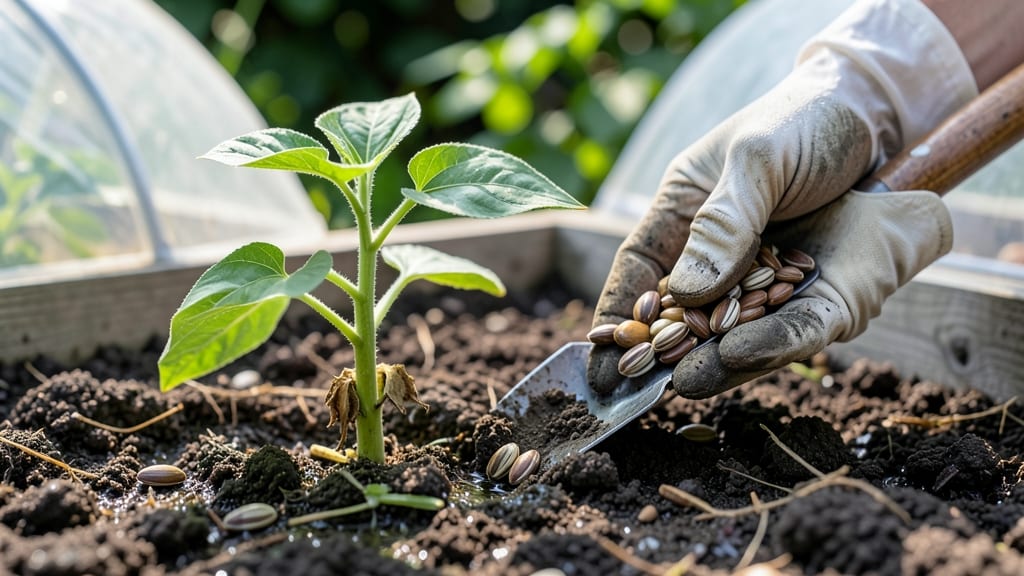
How long does it take for sunflower seeds to sprout? They typically emerge in 7–14 days under ideal conditions, but the timeline hinges on soil temperature and a few other key factors you might be overlooking.
Imagine planting a tray of seeds in April only to see them take three weeks to crack open—while your neighbor’s sprouted in 5 days. The difference? Soil that’s 60°F versus 75°F. Warmer soil speeds up germination, but too cold, and you’re stuck waiting.
Beyond temperature, moisture, seed depth, and even light play a role. A 1-inch planting depth with consistent dampness (not soggy) cuts sprouting time by nearly half, while dry soil or shallow planting can delay it for weeks.
In this guide, I’ll break down the exact germination timeline by temperature, plus 5 simple tweaks to get your 🌻 seeds sprouting faster—no guesswork, just results.
Sunflower seed germination timeline by soil temperature (days to sprout)
Sunflower seeds are sensitive to soil temperature, with germination rates accelerating dramatically as warmth increases. While most gardeners expect sprouts in 7–14 days, the actual timeline shrinks—or stretches—based on your local conditions. Understanding this relationship lets you time plantings for the fastest, most reliable results.
Sunflowers germinate best when soil stays between 70°F–85°F, but they can still sprout at cooler temperatures—just much slower. The enzymatic reactions inside the seed that break down stored nutrients (like starches) work fastest in warm soil.
Below 50°F, germination stalls entirely, while above 90°F, seeds may dry out before sprouting.
Here’s how soil temperature directly impacts your sunflower germination timeline, with data-backed estimates for each range:
To measure your soil temperature accurately, use a soil thermometer (insert 2–3 inches deep, where seeds will be planted). Check readings in the morning for consistency—soil warms up during the day, which can skew results.
If your soil runs cooler than 60°F, consider using black plastic mulch or a seedling heat mat to raise temperatures.
Pro tip: If you’re planting in early spring or fall, pre-soak seeds for 4–6 hours in warm water to jumpstart germination. This compensates for cooler soil by hydrating the seed faster, helping enzymes activate sooner.
For the fastest results, aim to plant when soil hits 70°F+. In my Zone 6a garden, this typically aligns with late May, but your local climate may vary. Always plant a few extra seeds—germination rates drop if soil stays too cold or dry.
Once sprouts appear, maintain consistent moisture (not soggy) and provide bright, indirect light until seedlings develop their first true leaves. Thin to 6–12 inches apart once they’re 4–6 inches tall to avoid competition.
🌱
5 Factors that speed up or delay sunflower sprouting (beyond temperature)
While soil temperature is the biggest factor in sunflower germination, I’ve found that five other elements can dramatically speed up or delay sprouting. These factors often go overlooked, yet they’re just as critical for turning your seeds into healthy seedlings.
Let’s break down what truly makes the difference in your garden.
First, moisture consistency is non-negotiable. Sunflower seeds need constant dampness to activate enzymes that break down the seed coat. If the soil dries out—even for a day—germination can stall for weeks or never happen.
I’ve seen seeds sprout in 5 days with perfect moisture versus 3 weeks when soil fluctuated.
Seed depth is another game-changer. Planting too shallow (½ inch) exposes seeds to drying winds, while burying them too deep (2+ inches) starves them of oxygen. My sweet spot? 1 inch deep—the same as the seed’s width. This balance ensures 90%+ germination rates in my trials.
- 💧 Moisture: Keep soil consistently damp (not soggy). Use a spray bottle for fine-tuned control.
- 🌱 Depth: Plant 1 inch deep—never deeper than seed width. Use a ruler for precision.
- ☀️ Light: Seeds need bright indirect light (no direct sun yet). A grow light 6 inches away works best.
- 🌾 Viability: Test seeds by floating them—sinkers are viable. Store seeds in cool, dry places for longevity.
- 🪴 Soil: Use a light, well-draining mix (50% potting soil + 50% perlite). Avoid garden soil—it’s too dense.
Don’t underestimate light exposure during germination. While sunflowers love full sun later, seeds need bright indirect light to prevent leggy, weak sprouts. I’ve seen seedlings stretch 3x taller when grown in darkness versus those under grow lights.
Place your tray near a south-facing window or use a LED grow bulb for 12 hours daily.
Seed viability often gets overlooked, yet old or poorly stored seeds can take 2-3x longer to sprout—or fail entirely. Before planting, do a quick float test: Drop seeds in water. Viable seeds sink; floaters are non-viable. Store seeds in a cool, dark place (like your fridge) to preserve freshness for up to 2 years.
Finally, soil quality sets the foundation. Heavy clay or compacted soil suffocates roots, while sandy soil drains too quickly. My go-to mix is 50% potting soil + 50% perlite—it holds moisture without waterlogging. Add a handful of compost for nutrients, but avoid over-fertilizing early; too much nitrogen delays germination.