
Flowers
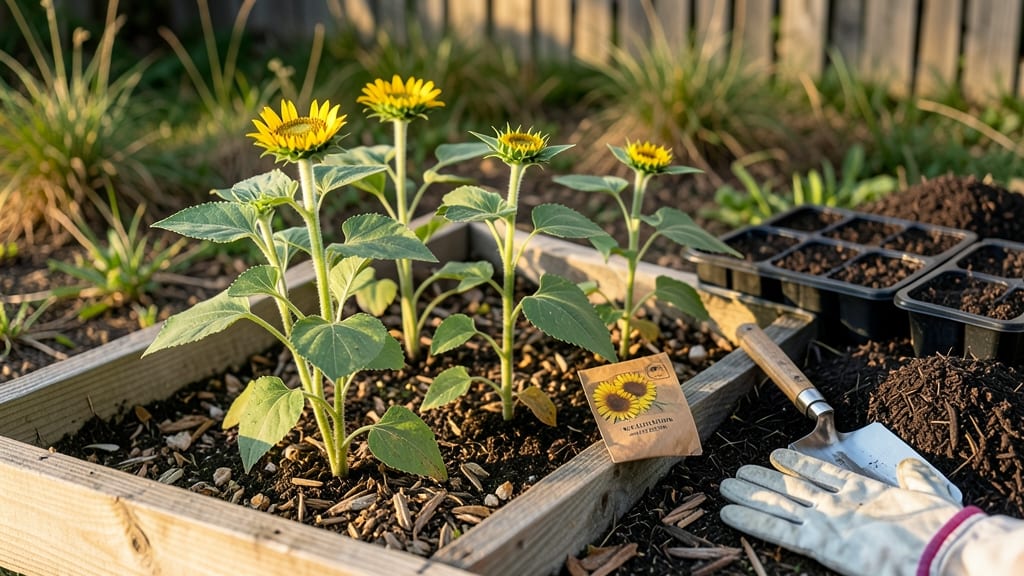
Plant sunflowers in Tennessee between mid-April and late June for vibrant blooms 🌻 — timing avoids frost and ensures strong growth before summer heat.
Sunflowers bring vibrant color and joy to Tennessee gardens—but planting them at the wrong time can mean wilted dreams before they bloom. Timing is everything, especially in USDA Zones 7a-7b where frost dates shift dramatically between spring and summer.
If you miss the spring window, don’t worry—you can still sow seeds in early July for late-summer blooms. The key is waiting until soil temperatures reach at least 50°F and understanding your local frost dates, which vary from Nashville to Memphis.
Below, I’ll break down the exact months for planting, how to adjust for Tennessee’s microclimates, and which sunflower varieties thrive best in your zone.
Sunflower planting calendar for Tennessee zones 7a-7b: exact months and frost dates
Tennessee's USDA Zones 7a-7b offer two prime windows for sunflower planting: spring and late summer. Unlike many annuals, sunflowers thrive when planted after the last frost, but their 100-120 day maturity range means timing directly impacts bloom time.
In Nashville, average last frost dates fall around April 15, while Memphis sees frost-free conditions by March 25—critical differences for gardeners.
For spring planting, aim for mid-April to May once soil temperatures consistently reach 50°F. This ensures seeds germinate quickly and plants mature before Tennessee's first frost in mid-October. Summer plantings should occur by early July to guarantee blooms before winter arrives.
Here's your Tennessee-specific planting calendar with frost dates, soil temperature requirements, and ideal maturity windows:
For Zone 7a (cooler microclimates like higher elevations), delay spring planting until late April to avoid frost damage. In Zone 7b (warmer areas like Memphis), you can start as early as late March under row covers. Always monitor soil temperatures—sunflower seeds won't germinate below 50°F.
Pro tip: Use black plastic mulch in early spring plantings to warm soil faster. This extends your planting window by 1-2 weeks in cooler Tennessee valleys. For summer plantings, focus on heat-tolerant varieties like 'Moulin Rouge' or 'Autumn Beauty' to ensure blooms before frost.
Remember: Sunflowers planted in late July may not fully mature before Tennessee's first frost in mid-October. Choose fast-maturing varieties (under 90 days) for these late plantings. Track your local frost dates using the Old Farmer's Almanac or your county extension office for precision.
Direct sowing is best—sunflowers hate transplanting. Plant seeds 1 inch deep and 6 inches apart in rows 18-24 inches apart. Thin seedlings to 12 inches apart once they reach 3 inches tall. This spacing prevents overcrowding and ensures full sun exposure for all plants.
In Tennessee's humid summers, watch for powdery mildew on late plantings. Improve airflow with proper spacing and avoid overhead watering. For container growing, use 5-gallon pots and plant dwarf varieties like 'Teddy Bear' (1-2 feet tall) to extend your urban gardening options.
🌻
How to adjust sunflower planting for Tennessee’s microclimates and soil conditions
Tennessee’s diverse landscapes—from Nashville’s urban heat islands to the clay-heavy soils of the Cumberland Plateau—demand smart adjustments for sunflower success. Microclimates can shift planting windows by weeks, while soil texture affects water retention and root growth.
I’ve grown sunflowers across these conditions and learned which tweaks make the difference between thriving plants and struggling stalks.
In urban areas like Memphis or Chattanooga, pavement and buildings trap heat, creating microclimates where soil warms 2-3 weeks earlier than rural zones. This means you can plant sunflower seeds as early as late March in containers near south-facing walls, while rural areas should wait until mid-April.
Always check soil temperature with a probe—50°F is the magic number for germination.
⚠️ WARNING: Planting Too Early in Cold Soils If you plant sunflower seeds in Tennessee’s clay-heavy soils before the soil reaches 50°F, they’ll rot in the cold, damp ground. Even if frost dates suggest it’s safe, soil temperature is the real indicator.
Use a soil thermometer ($10 at garden centers) to avoid this common mistake. In Zone 7b (hotter areas like Jackson), you can push seeds into the ground by late February in containers, but in-ground planting should wait until mid-April.
For clay soils, which dominate much of Tennessee, amending with compost or sand improves drainage and prevents root rot. Mix in 2-3 inches of compost before planting, and consider raised beds if your soil is extremely dense.
Sunflowers are drought-tolerant once established, but clay soils hold moisture poorly, so water deeply once a week until plants reach 12 inches tall.
Container gardening opens doors for late-season sunflowers in Tennessee. Choose dwarf varieties like ‘Teddy Bear’ (3-4 ft tall) for pots, and plant them in early July to enjoy blooms through October’s first frost.
Place containers in full sun and use well-draining potting mix—sunflowers hate soggy roots. Water containers every 3-5 days since they dry out faster than in-ground soil.
To extend the growing season for late-blooming varieties, try row covers or cold frames. If you plant giant sunflowers like ‘Mammoth’ in early July, use a floating row cover to protect young plants from late summer heat waves (common in Zone 7b).
Remove covers once plants hit 18 inches tall to prevent overheating. This trick adds 2-3 extra weeks of growth before frost.
Finally, mulch heavily around sunflowers to regulate soil temperature and retain moisture. Use straw or shredded leaves—avoid grass clippings, which can compact soil. In urban heat islands, mulch also helps counteract the 5-10°F warmer soil temperatures found in city gardens.
With these adjustments, you’ll get sunflowers blooming from June through October, no matter where in Tennessee you garden. 🌱