
Flowers
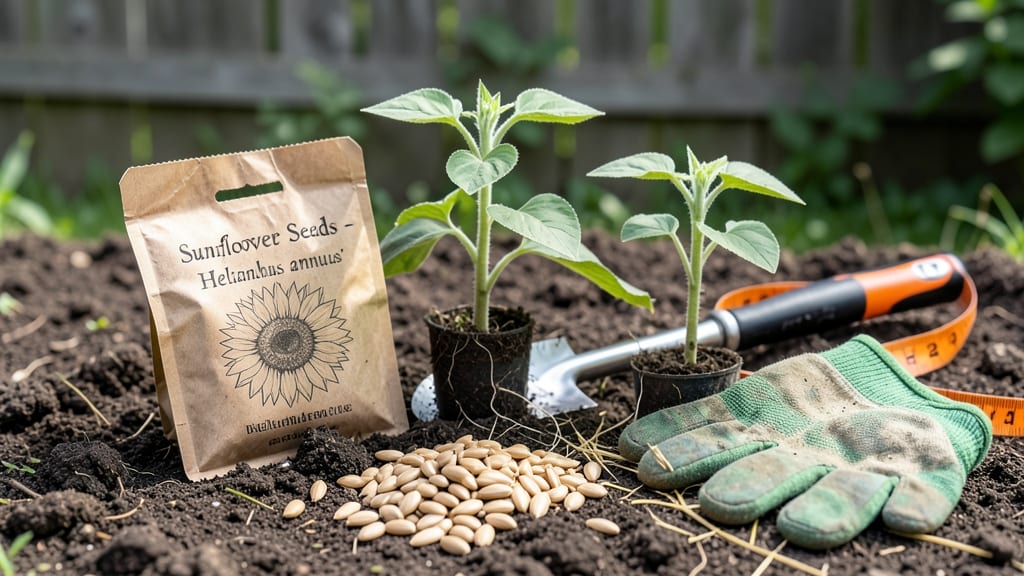
Planting sunflowers in Tennessee at the right time means the difference between towering 🌻 blooms and stunted, sad stalks struggling to survive.
If you’ve ever watched your sunflower seedlings shiver under a late spring frost or bolt into flower too early, you know timing is everything. Tennessee’s USDA Zones 6-8 create a patchwork of microclimates where a week can mean the difference between success and disappointment.
This guide breaks down the exact planting windows for your zone, soil temperature thresholds, and how to adjust for highland vs. lowland areas—so you can sow with confidence and enjoy sunflowers that reach their full, radiant potential.
You’ll learn how to calculate frost-free dates, choose the right varieties for your season, and use simple tricks like row covers to extend your growing window. Let’s get those seeds in the ground at the perfect moment!
Tennessee’s USDA Zones and ideal sunflower planting months
Tennessee spans USDA Zones 6a through 8a, creating distinct planting windows for sunflowers. In Zone 6a, where last frosts linger until mid-April, your planting window opens later than in warmer Zone 8a, where you can sow as early as mid-March.
Sunflowers thrive when soil temperatures reach 55°F (13°C)—a threshold that varies by 1-2 weeks across the state.
Direct sowing is ideal for sunflowers, as they hate transplant shock. However, if you’re starting seeds indoors, transplant after all frost risk passes—typically late April to early May in most zones. The key is aligning your planting with frost-free dates and soil warmth, not just calendar months.
Here’s your zone-by-zone planting timeline, including soil temperature thresholds and frost-free averages to maximize sunflower success:
For Zone 6a, where frosts linger longer, I recommend starting seeds indoors in early April and transplanting after May 15. In Zone 8a, you can even try a fall planting in September for winter-blooming sunflowers—just choose dwarf varieties like ‘Moulin Rouge’ to avoid winter damage.
Sunflowers need full sun (6+ hours daily), so pick a spot with south-facing exposure. If your soil drains poorly, amend it with compost or sand to prevent root rot. Test soil pH—sunflowers prefer 6.0-7.5—and adjust with lime or sulfur if needed.
In Zone 7a and 7b, where last frosts average March 20-April 1, you can sow seeds 2 weeks before the last frost date. Use a soil thermometer to confirm warmth; sunflowers won’t germinate below 55°F (13°C).
If your soil is still cold, wait—rushing leads to poor germination.
Pro tip: In Zone 8a, where winters are mild, you can plant sunflowers year-round with seasonal adjustments. For spring, aim for March-April; for fall, sow September-October. Just choose fast-maturing varieties (e.g., ‘Autumn Beauty’) to bloom before the first frost.
Remember, sunflowers are fast growers—some varieties reach 10 feet in 80 days. To avoid transplant shock, direct sow is best. If you must start
How to adjust planting time for Tennessee’s microclimates
Tennessee’s diverse geography—from the Appalachian Mountains to Nashville’s urban sprawl—creates microclimates that can shift sunflower planting windows by weeks or even months. What works in Zone 6a mountain valleys may fail in Zone 7b river valleys or urban heat islands.
I’ll show you how to fine-tune your schedule for these conditions.
First, recognize that elevation changes dramatically affect frost dates. In the Great Smoky Mountains, last frosts can linger until May 15, while Nashville’s urban areas often see frost-free soil by March 20.
River valleys like the Cumberland Plateau may have 10-14 days earlier planting windows than nearby hillsides.
⚠️ WARNING: Marginal Zones Need Extra Care Sunflowers planted in Zone 6a without protection risk stunted growth or frost damage.
Here’s how to adjust: - Mountain elevations (Zones 6a-6b): Delay planting until May 1 or use row covers for early starts. - Urban heat islands (Zones 7a-7b): Start as early as April 15 but monitor soil temps—60°F+ is ideal. - River valleys (Zones 6b-7a): Plant 2-3 weeks earlier than standard zone guides suggest.
For extended growing seasons, cold frames or mini tunnels let you start seeds 4-6 weeks earlier in marginal zones. In Zone 6a, I’ve successfully grown ‘Teddy Bear’ sunflowers by sowing under clear plastic domes in late March—just remove covers after last frost.
Watch for localized heat pockets in cities like Memphis or Chattanooga. Pavement and buildings create microclimates 5-10°F warmer than rural areas. Adjust by planting 1-2 weeks later in these zones to avoid bolting stress from sudden heat spikes.
Pro tip: Test your soil temperature with a soil thermometer—sunflowers need 55°F+ for germination. In Zone 7b, I’ve seen soil reach this threshold by April 1 in full sun, but 2 weeks later in shaded areas.
Remember, late summer varieties like ‘Autumn Beauty’ can handle Zone 6a’s shorter season if planted by June 15. Use these adjustments to turn Tennessee’s climate quirks into sunflower-growing advantages! 🌻