
Flowers
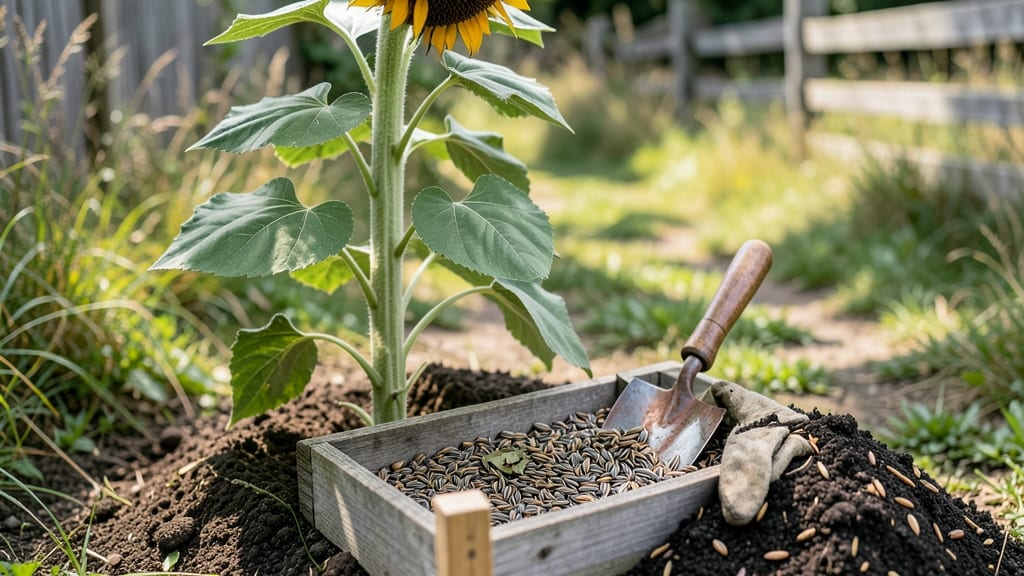
Planting sunflowers in Colorado after the last frost and when soil warms to 55°F is the key to towering blooms that reach their full potential.
Picture this: you’ve waited all winter for the chance to grow those iconic 🌻 giants, only to see them wilt in the cold or bolt too early. Colorado’s diverse climate zones mean the wrong timing can turn your dream garden into a sad, stunted mess.
Whether you’re in Denver’s Zone 5, the high-altitude Zone 4 of Steamboat Springs, or the warmer Zone 6 near Grand Junction, the exact month matters. Get it right, and you’ll have sunflowers stretching toward the sky by summer—get it wrong, and you’ll be left with scraggly stems.
Below, I’ll break down the precise planting windows for each zone, plus pro tips for adjusting to Colorado’s microclimates, so you can finally grow sunflowers that rival the ones in the botanical gardens.
Colorado sunflower planting calendar by USDA Zone (exact months for each region)
Colorado’s diverse USDA zones 4-7 create unique challenges for growing sunflowers 🌻. Whether you're in Denver’s Zone 5 or Colorado Springs’ Zone 6, knowing the exact planting windows ensures your sunflowers thrive.
I’ll break down the optimal months for each zone, including soil temperature thresholds and frost-free dates that make all the difference.
Sunflowers love warm soil—aim for 60°F (15°C) or higher.
In Zone 4 (e.g., Steamboat Springs), this means waiting until late May, while Zone 7 (e.g., Grand Junction) can start as early as mid-April. Direct sowing is best for sunflowers, but starter plants give you a head start in cooler zones.
Let’s dive into the exact calendar tailored to your region.
| USDA Zone | Last Frost Date | Direct Sowing Window | Starter Plants Window | Soil Temp Threshold | Notes |
|---|---|---|---|---|---|
| Zone 4 (Steamboat Springs) | May 15 | Late May–June 15 | April 15–May 1 | 60°F (15°C) | High-altitude; protect from wind |
| Zone 5 (Denver, Boulder) | May 1 | April 20–May 31 | March 15–April 15 | 55°F (13°C) | Front Range classic; full sun |
| Zone 6 (Colorado Springs) | April 15 | March 20–April 30 | February 20–March 15 | 50°F (10°C) | Lower elevation; earlier blooms |
| Zone 6 (Fort Collins) | May 1 | April 20–May 15 | March 15–April 1 | 55°F (13°C) | High-altitude Zone 6; slower growth |
| Zone 7 (Grand Junction) | March 15 | February 20–March 31 | January 20–February 15 | 45°F (7°C) | Longest season; fast growth |
For Zone 4 gardeners like those in Steamboat Springs, late May is your best bet for direct sowing. The soil must warm to at least 60°F (15°C)—use a soil thermometer to confirm.
If you’re in Zone 5 (Denver/Boulder), you can start 4-6 weeks earlier, but watch for late frosts that can stunt young plants.
In Zone 6 (Colorado Springs), you’ll see earlier blooms thanks to milder winters.
Start seeds indoors by February 20 for starter plants, or direct sow as early as March 20. Fort Collins, also in Zone 6 but at higher elevation, needs 2-3 weeks later due to cooler nights. Zone 7 (Grand Junction) is the most forgiving—plant as early as February 20 for summer-long blooms.
Pro tip: Succession planting works wonders in Colorado. Sow new batches every 2 weeks in Zones 6-7 to enjoy sunflowers from June to October.
In cooler Zones 4-5, stick to one main planting in late spring for the best results. Wind protection is key for high-altitude areas—use row covers or windbreaks to shield young plants.
Sunflowers are drought-tolerant once established, but deep watering is critical during Colorado’s dry spells. Aim for 1-2 inches of water per week, especially in Zone 7’s intense sun. Mulch around the base to retain moisture and keep roots cool.
With the right timing, your sunflowers will reach their full potential, standing tall and proud in your garden.
Don’t forget: Sunflowers follow the sun! Plant them where they’ll get 6+ hours of sunlight daily. In urban gardens with limited space, choose <
How to adjust sunflower planting for Colorado’s microclimates (mountains vs. plains)
Colorado’s dramatic elevation shifts create microclimates that dramatically affect sunflower growth. In Zone 6 areas like Grand Junction, you can plant sunflowers as early as late March, while Zone 4 regions like Steamboat Springs wait until mid-May.
These timing differences aren’t just about frost dates—they reflect soil warming rates and shorter growing seasons at higher elevations.
The Rocky Mountains present unique challenges beyond timing. High-altitude sunflowers face strong winds that can stunt growth and intense sunlight that requires shade protection. Meanwhile, urban gardens on the Front Range often struggle with limited sunlight due to surrounding buildings.
Let’s break down these adjustments to maximize your sunflower’s potential in any Colorado location.
⚠️ Critical Timing Warning for Colorado Sunflowers
Mountain vs. Plains Rule: Subtract 4-6 weeks from Front Range planting times when moving 1,000 feet higher. For example, Denver’s April 15 planting window becomes May 15 in Fort Collins (7,500 ft vs. 5,280 ft). Never plant sunflowers when nighttime temps drop below 50°F—they’re frost-sensitive once sprouted.
Urban Adjustment: In shady microclimates (like Denver’s Capitol Hill), choose dwarf varieties (under 5 feet) and plant in south-facing spots. Expect 20-30% smaller blooms with less than 6 hours of sunlight.
For high-altitude gardens, prioritize wind protection using windbreaks or staking. Plant sunflowers near fences or trees on the windward side, but ensure they still receive full sun. In Zone 4 areas, consider row covers during late spring to extend the growing season by 2-3 weeks.
Urban gardeners should focus on shade tolerance. While sunflowers thrive in full sun, they can survive with 4-6 hours of direct light. Place them near south-facing windows or patio edges where they’ll catch reflected sunlight. Use reflective mulch to boost light exposure by 15-20% in tight spaces.
Soil temperature is your best indicator for planting. In Zone 5-6, wait until soil reaches 55°F at 2 inches deep. Use a soil thermometer—this is more reliable than air temperature.
In Zone 4, aim for 60°F soil to ensure germination. Cold soil delays sprouting by 1-2 weeks.
Pro tip: Succession plant in Zone 6-7 areas. Start a second batch 4-6 weeks after your first planting to extend blooms through September. In Zone 4, focus on fast-maturing varieties (under 60 days) to guarantee blooms before frost.
With these adjustments, your sunflowers will reach their full 10-12 foot potential—no matter your Colorado microclimate.