
How To
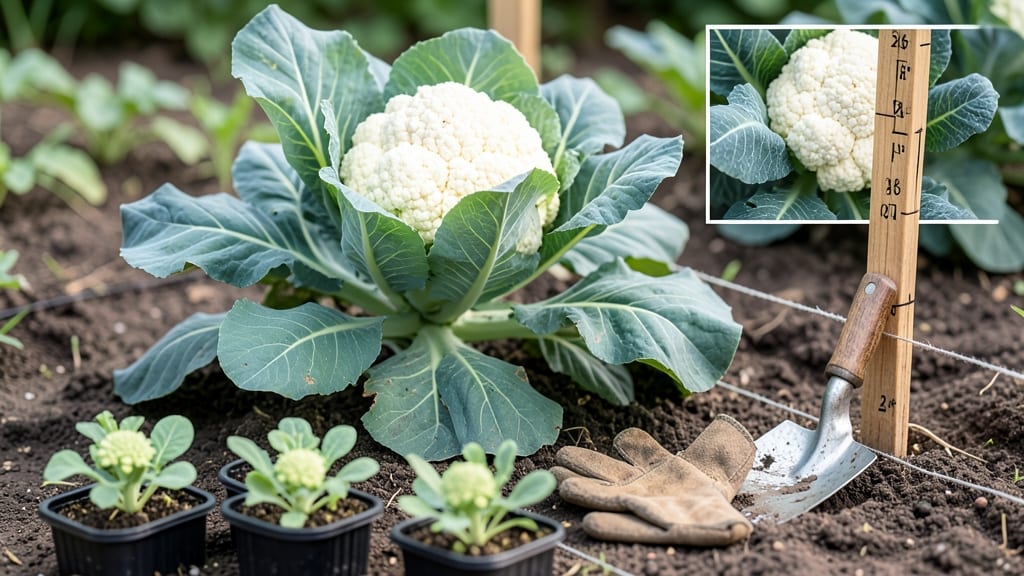
To plant cauliflower 🥬 the right distance apart ensures strong, dense heads and avoids wasted space in your garden.
If you’ve ever pulled up a stunted, yellowing cauliflower head only to find its roots tangled with neighbors, you know spacing matters more than most gardeners realize. The wrong spacing doesn’t just shrink your harvest—it can leave you with misshapen heads or even no harvest at all.
Cauliflower thrives when given room to breathe, but the exact spacing depends on your variety, soil quality, and garden layout. A 12- to 24-inch gap between plants is the general rule, but heirloom or dwarf types may need adjustments.
Below, I’ll break down the science behind spacing, how to tweak it for your conditions, and the three mistakes that sabotage even the most careful gardeners.
By the end, you’ll know exactly how far apart to plant cauliflower for a bountiful, high-yield harvest—no guesswork required.
Optimal cauliflower spacing by variety and growth type
Cauliflower spacing isn’t one-size-fits-all—it depends on whether you’re growing heading varieties (like Snowball) or broccoli-like types (such as Calabrese). The right spacing ensures large, dense heads and prevents disease spread from overcrowding.
For standard varieties, aim for 18-24 inches apart in rows spaced 24-36 inches apart. This balance maximizes sunlight exposure and air circulation, which are critical for head formation.
Dwarf varieties, like Purple of Sicily or Romanesco, need less room—plant them 12-18 inches apart in rows 18-24 inches apart. These compact types thrive in small gardens or containers, but their smaller heads mean you can fit more plants per square foot.
Heirloom varieties, such as Romanesco, often require the full 24-inch spacing to support their heavier heads without flopping.
Plant depth also matters: cauliflower seeds should be ½ inch deep, with seedlings transplanted 1 inch deeper than their container level. This ensures stability and prevents wind rock, which can stunt growth.
For broccoli-like cauliflower, like Calabrese, you can edge closer to 18 inches apart since their side shoots produce multiple harvests, making efficient use of space.
| Variety Type | Plant Spacing (inches) | Row Spacing (inches) | Head Size | Yield Notes |
|---|---|---|---|---|
| Standard (e.g., Snowball) | 18-24 | 24-36 | 6-8 inches | Single large head |
| Dwarf (e.g., Purple of Sicily) | 12-18 | 18-24 | 4-6 inches | Compact, multiple harvests |
| Heirloom (e.g., Romanesco) | 24 | 36 | 8+ inches | Heavy heads, needs support |
| Broccoli-like (e.g., Calabrese) | 18 | 24 | 4-6 inches (side shoots) | Multiple harvests per plant |
| Container (All Types) | 12-16 | N/A (1 plant per 5-gallon pot) | Varies by variety | Use large pots for dwarf types |
Spacing directly impacts head size and yield density. For example, standard varieties like Snowball Y Improve need 24-inch spacing to grow heads 6-8 inches wide. If you crowd them into 18-inch spacing, you’ll end up with smaller, misshapen heads due to competition for nutrients.
Conversely, dwarf varieties like Purple of Sicily can handle 12-inch spacing because their smaller stature reduces shading and disease risk.
For container growing, prioritize 5-gallon pots with one plant per container to avoid root competition. Use well-draining mix and fertilize lightly every 3-4 weeks to compensate for limited space. In containers, broccoli-like cauliflower shines because you can harvest side shoots for weeks, maximizing your yield from a small footprint.
If you’re growing multiple varieties in the same bed, stagger planting times by 2-3 weeks. This prevents overcrowding at maturity and allows
How to adjust spacing for different garden conditions
Your cauliflower spacing needs to change based on your garden conditions. What works perfectly in a rich, loamy soil with full sun might fail in sandy soil or a container garden.
Let’s break down how to adapt your spacing for soil quality, climate, and garden layout—so you get the biggest, healthiest heads every time.
In ideal conditions—fertile soil, 6-8 hours of sun, and moderate moisture—cauliflower plants need 18-24 inches apart in rows 24-36 inches apart. But if your soil drains poorly or your garden gets windy, you’ll need to adjust.
For example, dwarf varieties can handle closer spacing, while large heirlooms need more room to avoid competition.
Adjusting Cauliflower Spacing by Condition
- 18-24" apart in rows
- 24-36" between rows
- Works for medium varieties
- Maximizes head density
- Best for loamy soil
- 12-18" for dwarf varieties
- 30-36" for large heirlooms
- 16-20" in poor soil
- 20-24" in windy areas
- 12" in containers (1 plant per 5-gallon pot)
For small gardens or container growing, you’ll need to get creative. Use dwarf varieties like ‘Snowball Y Improved’ and space them 12 inches apart in 5-gallon containers.
If you’re growing in raised beds, reduce row spacing to 18 inches but keep plants 18 inches apart to prevent competition. Just remember: containers dry out faster, so water deeply every 5-7 days!
If your soil is poor or sandy, increase spacing to 20-24 inches to give roots room to spread. Poor soil means less nutrient competition, but plants still need space to access moisture.
Add compost or aged manure at planting to improve soil structure—this lets you cut spacing back to 16-18 inches after a few weeks.
In windy climates, cauliflower plants can flop or develop uneven heads. Space them 30 inches apart and consider staking tall varieties or planting near a windbreak like corn or sunflowers.
If you’re in a hot, dry region, wider spacing (24-30 inches) helps reduce moisture competition and prevents bolting.
Proper spacing isn’t just about yield—it’s about plant health. Crowded cauliflower plants develop yellowing leaves (a sign of nutrient deficiency) or split heads from poor air circulation. By adjusting for your local conditions, you’ll avoid these issues and enjoy plump, perfect heads all season long. 🌱