
Flowers
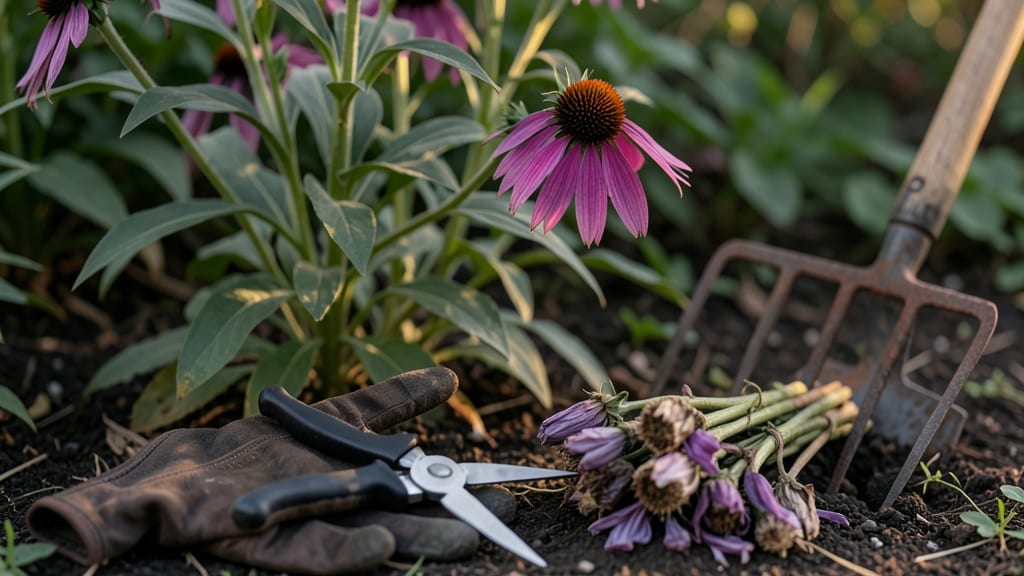
Cutting back coneflowers at the right time ensures stronger blooms next season while avoiding damage from frost or disease.
Struggling to decide when to trim your coneflowers without harming next year’s vibrant blooms? Timing is everything—and doing it wrong could mean fewer flowers in spring.
In USDA Zone 6a, the best window is late winter—after the ground freezes but before new growth starts. This gives your 🌼 coneflowers a head start while protecting them from late frosts.
Below, I’ll break down the exact months to prune, how to do it correctly, and common mistakes that kill blooms—so you can enjoy a garden full of purple and pink next summer.
Best late-winter timing for cutting back coneflowers (with exact months)
Timing your coneflower pruning in late winter is the secret to vibrant summer blooms and a healthier plant. Cutting too early exposes roots to frost damage, while waiting too long can smother new growth.
The optimal window is between January and March, but your exact timing depends on your USDA hardiness zone and local climate.
Coneflowers (Echinacea) are perennial powerhouses that store energy in their roots during winter. Pruning at the right time removes dead foliage while leaving enough photosynthetic leaves to fuel regrowth.
In warmer southern zones (7-10), you can start as early as late January. For colder northern zones (3-6), wait until late February or March when frost threats subside.
Here’s the science-backed timeline to follow, tailored to your region:
| USDA Zone | Best Pruning Window | Key Climate Cues | Cutting Height |
|---|---|---|---|
| 3-6 (Cold Climates) | Late February - Early March | After last hard frost (avg. 28°F) | 3-6 inches above ground |
| 7-9 (Temperate) | January - February | When daytime temps stay above 40°F | 4-6 inches above ground |
| 10+ (Mild Winters) | Late January - Early February | No frost risk; soil workable | 5-7 inches above ground |
For gardeners in transition zones (6-7), check your local frost forecast and aim to prune when nights dip below 32°F only 2-3 times per week. This gives your plant time to harden off before the big freeze.
If you’re unsure, use mulch after pruning to insulate roots—this is especially critical in Zone 6, where late frosts are common.
One common mistake is pruning too aggressively in winter. Coneflowers need some foliage to photosynthesize and store energy. Leave 3-6 inches of stem (depending on your zone) to protect the crown and encourage stronger spring regrowth.
If you cut back to bare stems, you risk exposing the root collar to cold and disease.
Pro tip: Mark your calendar for March 1st as your absolute deadline in most regions. After this date, new growth will have already started, and pruning can stunt flowering.
In Zone 10, where winters are mild, you can prune as late as early April, but avoid cutting after bud swell (when you see green shoots emerging).
If you missed the winter window, don’t panic! You can lightly trim coneflowers in early spring (after last frost) to remove any dead or damaged stems. However, this won’t be as effective for maximizing bloom potential as a proper late-winter prune.
The key is to work with your plant’s natural cycle—coneflowers are dormant in winter and ready to burst into growth when days lengthen.
After pruning, clean up debris immediately to prevent fungal diseases like powdery mildew. Dispose of cuttings in the trash (not compost), as diseased material can spread. Then, apply a 2-inch layer of mulch around the base to retain moisture and regulate soil temperature as spring arrives.
Remember, coneflower care is about balance. Too much pruning = weak stems. Too little = crowded growth. By following this late-winter timeline, you’ll set your plants up for healthier roots, stronger stems, and more abundant blooms all summer long. Happy pruning!
How to prune coneflowers correctly: Step-by-Step for healthy regrowth
Pruning your coneflowers correctly isn’t just about tidying up your garden—it’s about setting the stage for vibrant summer blooms and preventing disease. The key lies in timing, technique, and tool selection.
When done right, you’ll encourage stronger stems and more flowers next season. Let’s break it down so you can confidently wield your pruners without hesitation.
First, always use clean, sharp pruners to avoid damaging stems or spreading fungal diseases. Dull blades tear plant tissue, inviting pests and rot. I recommend bypass pruners for clean cuts, and always disinfect them with rubbing alcohol between plants. Never skip this step—it’s the foundation of healthy regrowth.
Now, let’s talk cutting height. For perennial coneflowers, trim back the dead foliage to about 2-3 inches above ground level. This may seem drastic, but it prevents crown rot and encourages new growth from the base.
If you’re unsure, think of it as giving your plant a fresh start—just like a haircut for your garden’s star performer!
🌿 Step-by-Step Pruning Guide for Coneflowers
- 📅 Step 1: Choose the Right Time
Prune in late winter or early spring (February–March) before new growth begins. Avoid pruning in fall or during active blooming. - ✂️ Step 2: Gather Your Tools
Use sterilized pruners, gloves, and a garden bag for cut stems. Never use dull or dirty tools! - 🌱 Step 3: Cut to the Right Height
Trim 2-3 inches above ground level. For overgrown plants, cut back 1/3 of the plant height to encourage bushier growth. - 🧹 Step 4: Remove All Debris
Clear away cut stems and dead foliage from the garden bed. This prevents disease spread and keeps your garden tidy. - 💧 Step 5: Water Thoroughly
After pruning, water the base of the plant to stimulate new growth and help it recover faster. - 🌞 Step 6: Monitor for Regrowth
Within 2-4 weeks, you should see new shoots emerging. If not, check for over-pruning or poor soil conditions.
What you do with the cut stems matters just as much as how you cut. Never leave them lying on the soil—they can harbor pests and diseases that will attack your coneflowers later.
Instead, bag them up and add them to your compost pile (if disease-free) or toss them in the trash. This simple step can save your plants from a fungal takeover next season.
After pruning, your coneflowers will need a little extra care to bounce back strong. Focus on well-draining soil and moderate watering—about 1 inch per week—to encourage root development.
Avoid fertilizing right after pruning; wait until you see new growth before adding a balanced fertilizer (like 10-10-10) to support their comeback.
With these steps, your coneflowers will reward you with taller, healthier stems and more abundant blooms by summer. The key is patience and precision—your garden will thank you for it! 🌼